351 documents

2024

December (2024)

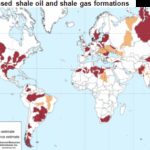
World of Shale

World of Shale

FracTracker Alliance is a Pennsylvania-based nonprofit that maps, analyzes, and communicates data on oil, gas, and petrochemical development. Founded in 2010, the organization provides state-by-state drilling maps, pipeline tracking tools, and thematic analyses to advance public understanding of hydraulic fracturing and its impacts. FracTracker connects environmental data with policy, public health, and climate concerns, offering interactive maps and research resources that situate shale development within both national and international contexts.

Source: Fractracker Alliance (2010) Read More


2023

December (2023)

What broke the Safe Drinking Water Act?

What broke the Safe Drinking Water Act?

Annie Snider wrote in Politico: “There’s perchlorate in this reservoir. Here’s why Washington isn’t doing anything about it.” The story revisits the Safe Drinking Water Act (SDWA), enacted in 1974 as the nation’s primary law to ensure safe public drinking water. Under the statute, the Environmental Protection Agency (EPA) sets standards and oversees state implementation — yet regulatory gaps and political hesitation can leave contaminants in place, testing how far the law’s protections actually reach.

Source: Politico (2017) Read More

U.S. EPA Water Enforcement

U.S. EPA Water Enforcement

The Environmental Protection Agency’s water enforcement division pursues violations related to discharges, contamination, and compliance under federal water statutes. Under the Clean Water Act, the law’s objective is to “restore and maintain the chemical, physical, and biological integrity of the nation’s waters,” while recognizing state responsibilities and providing federal assistance — including funding for publicly owned treatment works. Enforcement records form the regulatory ledger that reveals how that mandate is implemented, tested, or challenged in drilling regions.

Source: U.S. EPA (2023) Read More

June (2023)

Clean Water Laws Are Neglected, at a Cost in Suffering

Clean Water Laws Are Neglected

Journalist Charles Duhigg examined how weakened enforcement of clean water laws left communities exposed to pollution. In states where regulators lacked resources or political backing, violations mounted quietly. The cost wasn’t theoretical — it showed up in hospital visits, contaminated wells, and neighborhoods struggling with what flowed from upstream facilities.

Source: New York Times (2009) Read More

2013

January (2013)

BJ Services

BJ Services

BJ Services was among the large companies investigated by the U.S. House Energy and Commerce Committee as lawmakers examined whether the gas extraction method known as hydraulic fracturing — or fracking — poses hazards to groundwater drinking supplies. The company provided hydraulic fracturing and pressure-pumping services during the shale boom, supplying equipment and crews to operators across major basins. As a service firm, BJ Services operated behind leaseholders, enabling the high-volume completions that transformed unconventional formations into commercial production.

Source: BJ Services (2010) Read More

Atlas Energy, Inc.

Atlas Energy

Atlas Energy emerged as a key player in Marcellus development, negotiating leases and expanding operations during the boom’s early years. Corporate strategies, capital flows, and partnership structures reveal how shale moved from local experiment to financial enterprise.

Source: Atlas Energy Resources (2010) Read More

American Petroleum Institute

American Petroleum Institute

Critics and investigative reports have accused the American Petroleum Institute (API) of advancing climate change denial and working to block climate legislation in defense of its constituent interests. The organization serves as the principal trade association for the U.S. oil and gas industry, shaping regulatory advocacy and public messaging on behalf of member companies. API has defended hydraulic fracturing as safe when properly regulated and has opposed expanded federal oversight that could alter the industry’s operating framework, placing the trade group at the center of national energy policy battles.

Source: API (2010) Read More

American Association of Professional Landmen (AAPL)

American Association of Professional Landmen (AAPL)

The American Association of Professional Landmen represents the professionals who negotiate mineral leases and land agreements. In shale regions, landmen served as the first contact between drilling companies and property owners, shaping contract terms that would govern production and royalties for decades.

Source: America's Landmen (2010) Read More

Myth Busting | The Marcellus: An American Travesty

Myth Busting | The Marcellus: An American Travesty

MarcellusProtest.org served as an information hub for grassroots opposition to shale gas drilling in Pennsylvania and beyond. Emerging from local demonstrations, the movement connected activists, events, and resources across the Marcellus region while critiquing industry narratives. Participants later formed coalitions such as Protect Our Parks to resist drilling in public lands. The site documented how regional organizing built enduring activist networks that continued influencing environmental campaigns long after initial protests concluded.

Source: YouTube | "The Marcellus: An American Renewal" (2010) Read More

Shell Oil Company

Shell Oil Company

Shell USA, Inc. (formerly Shell Oil Company, Inc.) is the United States–based wholly owned subsidiary of Shell plc, a UK-based transnational corporation “oil major” which is among the largest oil companies in the world. It is reported that Royal Dutch Shell Plc agreed to buy closely held East Resources Inc., for about $5 billion.

Source: Wikipedia, the free encyclopedia (2010) Read More

House committee votes to deny climate change

House committee votes to deny climate change

On March 15, 2011, Republicans in the House energy committee voted not once (archived), not twice, but three times (archived), against amendments (archived) recognizing that climate change is real, despite the broad scientific consensus that ” climate change is happening (archived) and human beings are a major reason for it.” They then unanimously voted (archived) in favor of the Upton-Inhofe bill to repeal the EPA’s scientific endangerment finding on greenhouse pollution.

Source: Grist (2011) Read More

2012

September (2012)

Oil & Gas Accountability Project (OGAP)

Oil & Gas Accountability Project (OGAP)

OGAP tracks drilling impacts with a watchdog’s eye: complaints, enforcement gaps, industry claims, and the fine print of regulation. The hook is accountability — who reports what, who inspects, who pays, who fixes. In boom country, the technical work happens fast and the paperwork trails behind. OGAP exists to pull that trail forward into view, turning scattered incidents into patterns that regulators and communities can’t easily ignore.

Source: Earthworks (2009) Read More

Bluedaze – Drilling Reform for Texas

Bluedaze - Drilling Reform for Texas

Bluedaze pushed for stronger oversight of oil and gas operations in Texas, challenging regulators and exposing gaps in enforcement. Through citizen monitoring and public reporting, the platform argued that reform required transparency — and that reform rarely arrives without pressure.

Source: Bluedaze (2009) Read More

July (2012)

TEDX — The Endocrine Disruption Exchange

TEDX — The Endocrine Disruption Exchange

At TEDx events, researchers associated with The Endocrine Disruption Exchange brought endocrine science to wider audiences, explaining how low-dose chemical exposure can produce outsized biological effects. The talk translated lab findings into accessible warnings: invisible molecules can shape visible health outcomes.

Source: TEDX — The Endocrine Disruption Exchange (2009) Read More

May (2012)

Montana Environmental Information Center (MEIC)

Montana Environmental Information Center (MEIC)

The Montana Environmental Information Center has long tracked energy development across the state — from coal to gas to emerging extraction fronts. Through litigation, research, and public campaigns, MEIC challenges permits and monitors regulators. In a region where drilling often unfolds far from urban centers, the group acts as watchdog — translating technical filings into something citizens can fight over.

Source: Montana Environmental Information Center (MEIC) (2010) Read More

January (2012)

France to Unlock Dirty Oil Under Paris With Texan Help

France to Unlock Dirty Oil Under Paris With Texan Help

France, long vocal about climate leadership, quietly explored unlocking unconventional oil reserves beneath the Paris Basin using new extraction technologies. The proposal exposed a tension between environmental rhetoric and energy ambition, as officials weighed domestic production against public backlash and ecological risk.

Source: MetalMiner (2009) Read More

2011

December (2011)

U.S. Department of Energy – Homepage

U.S. Department of Energy - Homepage

The Department of Energy promotes research, innovation, and domestic production across the energy spectrum. As shale gas surged, DOE messaging emphasized technological advancement and energy security. Critics questioned whether federal enthusiasm adequately balanced environmental risk.

Source: U.S. Department of Energy (2009) Read More

June (2011)

The Case of Chevron

The Case of Chevron

According to the EPA’s National Emission Inventory, Chevron was responsible for 4,030,422.95 pounds of green house gas emission pollution in Plaquemines Parish, Louisiana in 2002.

Source: Friends of the Earth (2008) Read More

Clean Water Act Definition of “Waters of the United States”

Clean Water Act Definition of "Waters of the United States"

Americans depend on clean and abundant water. However, over the past decade, interpretations of Supreme Court rulings removed some critical waters from Federal protection, and caused confusion about which waters and wetlands are protected under the Clean Water Act.

Source: US EPA: Wetlands | Clean Water Act (1972) Read More

May (2011)

Frack Check WV (West Virginia)

Frack Check WV (West Virginia)

FrackCheckWV.net was created as a platform for educating citizens about the environmental impacts of hydraulic fracturing and providing tools and guidance for effective citizen action and advocacy.

Source: Frack Check WV (2010) Read More

FracFocus Chemical Disclosure Registry

FracFocus Chemical Disclosure Registry

Of all the lobbyists bringing their issues to Capitol Hill, the Groundwater Protection Council (archived) is one of the smaller players. I have to wonder, reading the rankings on Open Secrets, “Lobbying Spending Database: Environment, 2009”, why this groundwater organization spends less on its annual lobbying than “Fur Wraps the Hill” or the “Pittsburgh Parks Conservancy”? Groundwater is a hot button national issue, affecting both the urban and agricultural sectors.

Source: Frac Focus (2011) Read More

Chu Names Panel to Study Fracking

Chu Names Panel to Study Fracking

Broder’s piece goes on to offer a smokescreen of protest by the right, but according to Dusty Horwitt of the Environmental Working Group (archived), “An industry insider like John Deutch is completely unacceptable to lead this panel…It looks as if the Obama Administration has already reached the conclusion that fracking is safe.”

Source: NYTimes.com: Green | A Blog About the Environment (2011) Read More

BodyBurden – The Pollution in Newborns

BodyBurden  - The Pollution in Newborns

Not long ago scientists thought that the placenta shielded cord blood — and the developing baby — from most chemicals and pollutants in the environment. But now we know that at this critical time when organs, vessels, membranes and systems are knit together from single cells to finished form in a span of weeks, the umbilical cord carries not only the building blocks of life, but also a steady stream of industrial chemicals, pollutants and pesticides that cross the placenta as readily as residues from cigarettes and alcohol.

Source: Environmental Working Group (EWG) (2005) Read More

Strong Push Against Fracking

Strong Push Against Fracking

Sens. Tony Avella, D-Whitestone, Liz Krueger, D-Manhattan, and Joseph Addabbo, D-Queens, introduced a package of bills April 11 that includes three bills for tighter regulations and transparency for oil and gas drilling and a bill by Avella to ban hydraulic fracturing, or hydrofracking, in New York State.

Source: New York State Senate | Liz Krueger (2011) Read More

Peabody coal company threatens to sue over getting punked

Peabody coal company threatens to sue over getting punked

Change.org, the website that allows users to create petitions for social change, received a legal threat from Peabody Energy after Coal Kills Kids (CKK) — a group that partnered with the Yes Men to unveil a faux Peabody charity initiative earlier this week (archived) — continued the hoax with a mock petition.

Source: San Francisco Bay Guardian Online (SFBG) (2011) Read More

Mira’s Movement

Mira's Movement

Do you know that pediatric cancer is the leading disease killer of children in the United States ? That 35 children are diagnosed with cancer in the US every day? Do you know that, according to the National Cancer Institute, pediatric cancer as a whole received only $200 million for research in 2009?

Source: Mira's Movement (2009) Read More

Ceres Principles – Corporate Environmental Conduct

Ceres Principles - Corporate Environmental Conduct

Ceres: (pronounced “series”), is a national network of investors, environmental organizations and other public interest groups working with companies and investors to address sustainability challenges such as global climate change.

Source: Ceres | Investors and Environmentalists (2010) Read More

New York Residents Against Drilling (NYRAD)

New York Residents Against Drilling (NYRAD)

NYRAD organized statewide resistance to high-volume hydraulic fracturing, rallying residents concerned about water, health, and rural character. Through protests, teach-ins, and policy advocacy, the group turned a regulatory decision into a grassroots movement. As Albany deliberated, public pressure intensified.

Source: New York Residents Against Drilling (NYRAD) (2010) Read More

Hydrofracking in New York State: Poll Shows No Consensus

Hydrofracking in New York State: Poll Shows No Consensus

According to this NY1/YNN-Marist Poll, New Yorkers divide on the issue. 41% oppose hydrofracking while 38% support it. A notable 21% are unsure. Similar proportions of registered voters statewide share these views.

Source: Home of the Marist Poll: Pebbles and Pundits (2011) Read More

Fracking Canada

Fracking Canada

Stop Fracking Ontario is a web project to inform and promote activism against fracking in Ontario, in the surrounding region, and elsewhere.

Source: Fracking Canada (2011) Read More

Drill, Baby, Drill!: The chant of the political naif

Drill

Numerous complainants petitioned the USA government to get the EPA to review the earlier decision on hydraulic fracking. One of them, from Neil Zusman, Ithaca, NY, is particularly poignant: I have read widely on this topic and it is of personal interest to me. I am not a scientist. I observe the events along the historical timeline that includes civil rights, anti-war protest, and the environmental movement….

Source: Magiric (2011) Read More

Fracking the Karoo – The People Say No!

Fracking the Karoo - The People Say No!

“Do you know what fracking the Karoo is like?” demanded Esme Senekal of Somerset East. The people from Royal Dutch Shell and their consultants didn’t reply, their faces impassive. “It’s like you coming and drilling holes in our mother, and then leaving us to look after her and take her to hospital. Leave the Karoo alone!

Source: Fracking the Karoo - The People Say No! (2011) Read More

Frack off, Shell!

Frack off

On Friday 25 March, environmental activist Lewis Pugh delivered a passionate call to action at a public lecture in Cape Town. He implored South Africans to stand up for our rights – particularly the right to water, and the right to a healthy environment – and take on corporate bullies like Shell. If you care about the Karoo, if you care about our country, keep reading…

Source: The Daily Maverick (2011) Read More

Environmental Advocates New York

Environmental Advocates New York

The New York Water Rangers, launched by Environmental Advocates of New York, mobilized residents to defend state waters from hazardous fracking waste. Through legislative advocacy, coalition organizing, and narrative strategy developed with SmartMeme Studios, the campaign pushed to close loopholes in state law, extend moratorium protections, and require independent health impact assessments before permitting high-volume hydraulic fracturing in New York.

Source: Environmental Advocates New York (2011) Read More

In Pursuit of Sustainability

In Pursuit of Sustainability

In The Coming Transformation: Values to Sustain Human and Natural Communities, contributors including David Grant recount environmental advocacy efforts in New Jersey that exposed contamination flowing from an abandoned industrial site into residential neighborhoods. Community activist Robert Spiegel contacted the U.S. Environmental Protection Agency (EPA) and organized public screenings of videotaped evidence, prompting federal response. The work connects grassroots environmental action to broader questions of sustainability, public accountability, and civic engagement, themes also supported by the Geraldine R. Dodge Foundation through its environmental and community initiatives.

Source: Geraldine R. Dodge Foundation (2009) Read More

Energy & Commerce Committee Investigates Potential Impacts of Hydraulic Fracturing

Energy & Commerce Committee Investigates Potential Impacts of Hydraulic Fracturing

A report linking the fracking industry to violations of the Safe Drinking Water Act put some of the biggest names in shale on the defensive. The House Energy & Commerce Committee launched inquiries, demanding data and calling executives to testify. Senator Barbara Boxer announced hearings and press conferences. In Washington, oversight begins with microphones — and can end with subpoenas.

Source: U.S. Congress. Committee On Energy and Commerce (2010) Read More

Dish Mayor Calvin Tilman Testifies at Railroad Commission – Oil and Gas Lawyer Blog

Dish Mayor Calvin Tilman Testifies at Railroad Commission - Oil and Gas Lawyer Blog

In Dish, Texas, Mayor Calvin Tilman brought air monitoring data and resident complaints before the Texas Railroad Commission, the state’s oil and gas regulator. He described odors, emissions, and health concerns near compressor stations. The hearing placed a small town’s grievances in front of a powerful agency — and forced regulators to respond on record.

Source: Oil and Gas Lawyer Blog (2010) Read More

April (2011)

Meet the Gas Geezers

Meet the Gas Geezers

T. Boone Pickens has somehow managed to sell President Obama and an astonishing number of Congress members on the myth that nat-gas is a homegrown wonder fuel.

Source: Counterpunch (2011) Read More

Worlds Collide at Cancun Climate Talks

Worlds Collide at Cancun Climate Talks

Foreign Policy In Focus publishes commentaries, briefs, and reports on its website and organizes briefings for the public, media, lawmakers, and legislative staff.

Source: Foreign Policy In Focus (2010) Read More

Fueling Washington

Fueling Washington

OpenSecrets.org Launches ‘Fueling Washington’ Series Exploring Oil and Gas Industry’s Political Influence

Source: OpenSecrets.org (2010) Read More

Cornell University Law School – 2011 Energy Conference

Cornell University Law School - 2011 Energy Conference

The conference will use natural gas drilling as a lens to explore energy policy, the global energy market, and the integral role the law can and must play in creating energy security and ensuring a sustainable future.

Source: Cornell University Law School (2011) Read More

The Marcellus Effect

The Marcellus Effect

“The Marcellus Effect” captured the ripple of drilling through Pennsylvania and beyond — from lease auctions to pipeline corridors to community tension. Supporters highlighted tax revenue and employment. Opponents documented environmental complaints and infrastructure strain. The effect was economic, political, and deeply local.

Source: Marcellus Effect (2016) Read More

High court could melt climate-change cases

High court could melt climate-change cases

Here you have a particular village that is going to be under water. Various scientific and government studies report that the right combination of storms could flood the entire village at any time and have recommended relocation at costs varying up to $400 million.

Source: The National Law Journal | Law.com (2010) Read More

Drilling Down on Fracking Concerns

Drilling Down on Fracking Concerns

Hydraulic fracturing needs to be done carefully and be well-monitored, with particular attention paid to the full scope of carbon dioxide released into our atmosphere to gauge accurately the consequences of global warming due to the expanded use of natural gas.

Source: Center for American Progress (2011) Read More

Powder River Basin Resource Council

Powder River Basin Resource Council

The Powder River Basin Resource Council represents ranchers, landowners, and rural residents navigating coalbed methane and gas development. Members negotiate surface use agreements, challenge permits, and push for stronger reclamation standards. For families whose livelihoods depend on land and water, the council offers leverage in conversations often dominated by energy firms with national reach.

Source: Powder River Basin Resource Council (2010) Read More

Dispatch – Powder Keg

Dispatch - Powder Keg

Communities sitting atop shale formations found themselves on what critics called a powder keg — drilling permits stacking up, tanker traffic thickening, tempers rising. Industry spokespeople framed it as progress. Local residents saw strain on roads, water systems, and trust. The question simmered: was this a manageable energy expansion — or a buildup toward conflict no one was prepared to defuse?

Source: Audobon (2002) Read More

March (2011)

Gasland’ Filmmaker Takes on Cuomo and ‘Dot.FlatEarth’

Gasland’ Filmmaker Takes on Cuomo and ‘Dot.FlatEarth’

Debates between hydrofracking proponents and critics intensified during the Gasland era, with Walter Hang of Toxics Targeting arguing that existing regulatory frameworks could not ensure safe natural gas extraction. Industry experts and academics countered with calls for improved oversight and technological safeguards, while environmental filmmakers and investigative journalists amplified evidence of methane leakage, cement failure, and groundwater contamination.

Source: Dot Earth | New York Times (2012) Read More

EPA Hydraulic Fracturing Study Plan Review Panel

EPA Hydraulic Fracturing Study Plan Review Panel

The Panel will review and provide independent expert advice on EPA’s draft Hydraulic Fracturing Study Plan that will investigate the potential public health and environmental protection research issues that may be associated with hydraulic fracturing.

Source: EPA Science Advisory Board (SAB) (2011) Read More

Perryman Group, Texas

Perryman Group

The Perryman Group released economic impact studies projecting job growth and billions in revenue from shale development in Texas. Industry advocates cited the reports as evidence of transformative potential. Critics scrutinized assumptions behind the forecasts. In boom regions, dueling spreadsheets became weapons in the public debate.

Source: The Perryman Group (2007) Read More

Lenape Resources, Inc.

Lenape Resources

Lenape Resources operated in upstate New York, exploring gas prospects amid a regulatory landscape that remained uncertain. Smaller operators often navigated tighter margins and local scrutiny, their ambitions tied closely to state permitting decisions.

Source: Lenape Resources, Inc. (2010) Read More

A Colossal Fracking Mess

A Colossal Fracking Mess

To regard its unspoiled beauty on a spring morning, you might be led to believe that the river is safely off limits from the destructive effects of industrialization. Unfortunately, you’d be mistaken. The Delaware is now the most endangered river in the country, according to the conservation group American Rivers.

Source: Vanity Fair | Business (2010) Read More

All Things Nuclear

All Things Nuclear

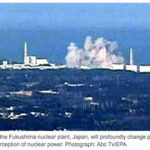
Expert reports and selections of news accounts and analysis of the breaking news concerning the meltdown of Japan’s nuclear reactors ongoing since March 13, 2011.

Source: Union of Concerned Scientists (2011) Read More

As climate crime continues, who are we sending to jail? Tim DeChristopher?

As climate crime continues

Let’s consider for a moment the targets the federal government chooses to make an example of. So far, no bankers have been charged, despite the unmitigated greed that nearly brought the world economy down. No coal or oil execs have been charged, despite fouling the entire atmosphere and putting civilization as we know it at risk.

Source: Grist (2011) Read More

U.S. Speaker Nancy Pelosi: The Gavel: Draining The Swamp

U.S. Speaker Nancy Pelosi: The Gavel: Draining The Swamp

Then–Speaker Nancy Pelosi highlighted legislative efforts addressing energy reform and environmental protection. Congressional leadership framed drilling oversight and clean energy transitions as matters of national policy. In Washington, energy debates unfolded not only in committees but on the House floor.

Source: The Gavel (2008) Read More

U.S. Speaker Nancy Pelosi | Current Legislation

U.S. Speaker Nancy Pelosi | Current Legislation

Tracking current legislation revealed how energy bills advanced, stalled, or fractured along partisan lines. Proposals ranged from renewable incentives to drilling reforms. The legislative docket became a scoreboard for competing visions of America’s energy future.

Source: Speaker Nancy Pelosi | Current Legislation (2010) Read More

BP chief hails American breakthrough in gas supplies from shale rocks

BP chief hails American breakthrough in gas supplies from shale rocks

BP chief executive Tony Hayward told the World Economic Forum that shale drilling was a “game changer” — a technique he said could help meet the world’s energy needs. The pitch framed the shale boom as innovation and inevitability, even as communities back home were still fighting over the messy details: water risk, emissions, and whether the new abundance came with costs no keynote could wave away.

Source: guardian.co.uk (2010) Read More

Marcellus Shale Protest

Marcellus Shale Protest

On November 3, 2010, more than 500 demonstrators gathered in Pittsburgh to protest the Developing Unconventional Gas (DUG) East Conference, where industry leaders—including keynote speaker Karl Rove—met to discuss shale gas development. Activists from Pennsylvania and neighboring states marched to the David Lawrence Convention Center calling for a moratorium on drilling and raising concerns about health, water safety, and environmental impacts linked to Marcellus Shale gas extraction. MarcellusProtest.org, a project of the Center for Coalfield Justice, served as an information hub for organizing, events, and regional activism across shale-impacted communities.

Source: Marcellus Shale Protest | No Frackng Way (2010) Read More

Clifford Krauss: propagandist par excellence

Clifford Krauss: propagandist par excellence

I especially enjoyed his reporting on how some environmentalists are for gas drilling despite the inflammatory water faucets and cancer clusters: You don’t have to be working at FAIR to ask the question which environmentalists ? -Louis Proyect.

Source: Louis Proyect: The Unrepentant Marxist (2010) Read More

Safe Drinking Water Act (SDWA) | Safe Drinking Water Act | US EPA

Safe Drinking Water Act (SDWA) | Safe Drinking Water Act | US EPA

The Safe Drinking Water Act establishes federal standards to protect public water supplies from contamination. Its authority over underground injection became central to the hydraulic fracturing debate — especially after exemptions narrowed its reach. The statute’s language determines what protections apply beneath the surface.

Source: U.S. Environmental Protection Agency (1974) Read More

Global Warning | The environment and national security

Global Warning | The environment and national security

Fracking is being rushed. it’s going full tilt without the scientific, objective regulation, and analysis that important security issues warrant, even though industry experts have known about the many risks it poses to the environment and our health for years.

Source: Global Warning (2011) Read More

The Need for Mass Mobilizations

The Need for Mass Mobilizations

This essay argues that much of the climate justice movement has become isolated and screen-bound, with activists working alone through social media, emails, and phone calls rather than building embodied community. It contends that meaningful political power comes from visible, collective action in physical space, where real human connection strengthens courage and solidarity, and highlights mass mobilization and civil resistance—such as the actions of Tim DeChristopher—as essential to confronting corporate extraction and political complacency.

Source: Peaceful Uprising (2010) Read More

Tim DeChristopher | Bidder70

Tim DeChristopher | Bidder70

Environmental activist Tim DeChristopher, founder of Peaceful Uprising and later cofounder of the Climate Disobedience Center, became known as “Bidder 70” after disrupting a 2008 Bureau of Land Management (BLM) oil and gas lease auction held during the final months of the George W. Bush administration. By posing as a bidder and driving up prices on 22,000 acres of Utah public land slated for fossil fuel development, DeChristopher sought to prevent what environmentalists described as a rushed and undervalued sale. He was later prosecuted and convicted of fraud in March 2011 and sentenced to two years in prison, framing his act as civil disobedience in defense of climate justice and democratic accountability.

Source: Bidder70 (2010) Read More

Flare Up

Flare Up

“Sour gas is one of the most dangerous, toxic substances known to man,” he said. “Having a sour gas well 800 metres from your home is like having a child molester an in urban community. You never know when things are going to go wrong.”

Source: National Post Business Magazine (2002) Read More

iLoveMountains

iLoveMountains

Organization web site features a widget that shows how you are connected to mountaintop removal where you live.

Source: iLoveMountains.org -- End Mountaintop Removal Coal Mining (2011) Read More

Protests urge fracking fluid ban

Protests urge fracking fluid ban

Protestors outside the Buffalo offices of the Department of Environmental Conservation today called for an executive order by Governor Andrew Cuomo to define fracking fluid as a hazardous waste and ban its treatment by municipal facilities…

Source: PBS | Innovation Trail (2011) Read More

Natural Gas: Not as clean as you think

Natural Gas: Not as clean as you think

The Wilderness Society released the science and policy brief Doing It Right: Ensuring Responsible Natural Gas Development on Our Public Lands, challenging claims that natural gas is a clean energy solution. Citing data from the U.S. Environmental Protection Agency (EPA) and the Congressional Research Service, the brief notes that natural gas still accounts for roughly 20 percent of U.S. greenhouse gas emissions and that methane released during production and transport is significantly more potent than carbon dioxide. The report also highlights smog increases in drilling regions such as Sublette County, Wyoming, underscoring that expanded gas development on public lands carries measurable climate and public health consequences.

Source: The Wilderness Society (2010) Read More

WATER | FRONTLINE: Poisoned Waters

WATER | FRONTLINE: Poisoned Waters

More than three decades after the Clean Water Act, iconic American waterways like the Chesapeake Bay and Puget Sound are in perilous condition and facing new sources of contamination. PBS FRONTLINE’s Poisoned Waters investigated industrial pollution and regulatory breakdowns, tracing how enforcement gaps and political compromises left communities with compromised drinking water. The documentary elevated local complaints into a national reckoning over whether oversight has kept pace with modern extraction and discharge practices.

Source: Public Broadcasting Service Frontline (2009) Read More

The Marcellus Shale Formation Information Site

The Marcellus Shale Formation Information Site

This site focuses on one thing: what the Marcellus is, where it sits, and why it matters. It frames shale as geology first — thickness, depth, extent — the underground reality that launched a surface boom. Before the leases and lawsuits, there’s the formation itself: rock you can map, drill, fracture, and monetize. The tension comes when the geological footprint collides with watersheds, towns, and state lines.

Source: The Marcellus Shale Formation Information Site (2009) Read More

WATER | Fracking and the Environment: Natural Gas Drilling, Hydraulic Fracturing and Water Contamination

WATER | Fracking and the Environment: Natural Gas Drilling

ProPublica journalist Abrahm Lustgarten reported that federal officials in Wyoming found at least three water wells containing chemicals used in hydraulic fracturing. The investigation brought the groundwater question into sharp focus, linking drilling activity to documented contamination findings. As shale development expanded, water moved to the center of the debate: how much is used, what returns to the surface, and how safely it is managed.

Source: Democracy Now (2010) Read More

Natural Gas – Energy Explained, Your Guide To Understanding Energy

Natural Gas - Energy Explained

The U.S. Energy Information Administration lays out natural gas in plain terms: where it comes from, how it’s produced, where it goes, and what shapes prices. It’s a clean baseline — the institutional map beneath the noise. When public debate turns into slogans, the EIA pages remind you what’s measurable: reserves, production curves, consumption sectors, imports/exports, and the infrastructure that turns gas into power, heat, and revenue.

Source: Energy Information Administration (2010) Read More

Pew Campaign for Responsible Mining

Pew Campaign for Responsible Mining

The Pew Campaign for Responsible Mining argues that the 1872 General Mining Law is outdated and fails to protect taxpayers and public lands. The law allows companies to extract billions in hardrock minerals without paying royalties, while cleanup costs from abandoned mines burden the public. Pew calls for reforms to ensure fair compensation, environmental safeguards, and protection of water sources, wildlife habitats, tribal lands, and national parks amid a renewed mining rush in the American West.

Source: pewminingreform.org (2011) Read More

Leveling Appalachia: The Legacy of Mountaintop Removal Mining

Leveling Appalachia: The Legacy of Mountaintop Removal Mining

Mountaintop removal and slickwater drilling for natural gas both have been challenged by experts for the environmental damages that occur. The pollution has been well documented in public testimony and observation and has proceeded without input from peer-reviewed scientific studies, making the people who live near these extraction processes human experiments in methods unproven to be safe in the long term. (Neil Zusman, 2010-11-10.)

Source: Yale Environment 360 (2009) Read More

Hydro-Fracking Resource and Action Center

Hydro-Fracking Resource and Action Center

Editor’s Note. 9 Aug 2023. Citizens Campaign Re-organized their website in 2015 I and archive.org does not have a good record of their earlier publications. They continue to be

Source: Citizens Campaign for the Environment (2011) Read More

Global Warming

Global Warming

The Pew Environment Group and affiliated climate initiatives focus on scientific research, public education, and policy advocacy addressing global warming. Drawing on findings from bodies such as the Intergovernmental Panel on Climate Change, Pew emphasizes the risks posed by fossil fuel emissions, Arctic melt, and extreme weather. Its campaigns have promoted clean energy standards, fuel efficiency, and national emissions reductions while supporting policy frameworks that balance economic development with environmental protection.

Source: Pew Charitable Trusts (2009) Read More

Fracking Disaster in the Making: A Report

Fracking Disaster in the Making: A Report

Earlier this year at Two Island Lake north of Fort Nelson, two corporations, Encana and Apache, blasted an estimated 5.6 million barrels worth of water along with 111 million pounds of sand and unknown chemicals to fracture apart dense formations of shale over a 100 day period, or what Parfitt calls “the world’s largest natural gas extraction effort of its kind.”

Source: The Tyee (2010) Read More

Marcellus Shale Gas: New Research Results Surprise Geologists!

Marcellus Shale Gas: New Research Results Surprise Geologists!

New research results land like a jolt: updated estimates, revised risk, new measurements, better models. In the shale era, “new findings” often shift the argument overnight — especially when they touch methane leakage, groundwater pathways, or production forecasts. This entry is about the churn of evidence: studies that surprise, methods that get challenged, and the constant pressure to translate uncertain science into permits, policy, and public reassurance.

Source: Geology.com (2010) Read More

Hydraulic Fracturing: History of an Enduring Technology

Hydraulic Fracturing: History of an Enduring Technology

In 1947, Stanolind Oil conducted the first experimental fracturing in the Hugoton field located in southwestern Kansas. The treatment utilized napalm (gelled gasoline) and sand from the Arkansas River.

Source: Journal of Petroleum Technology (JPT) Online (2010) Read More

Schlumberger

Schlumberger

Meet the oil world’s most secretive operator: Schlumberger. It’s ubiquitous in fossil fuel operations across the world, has more staff than Google, turns over more than Goldman Sachs, and is worth more than McDonald’s — yet you won’t have heard of it. Operating largely behind the public face of oil and gas producers, the company supplies the technical backbone of hydraulic fracturing across shale basins. State regulators have cited the firm for environmental violations in certain jurisdictions, including improper waste handling and permit noncompliance. Even the most expansive service companies accumulate a regulatory record as drilling scales.

Source: Schlumberger (2010) Read More

Smackdown: climate science vs. climate economics

Smackdown: climate science vs. climate economics

As I see it, there are two incommensurate stories being told about climate change. I’m not talking about the largely fake debate between those who say climate change is happening and human-driven (scientists) and those who say it isn’t (the GOP).

Source: Grist (2011) Read More

Gasland vs Big Oil and Gas

Gasland vs Big Oil and Gas

This works because people that see this movie are touched. They are touched because they have been directly affected by hydraulic fracturing or they want to be a voice for those that have been and don’t want to become a silent statistic as well.

Source: Lovesocial Communications (2011) Read More

Firm’s Iraq Deals Greater Than Cheney Has Said

Firm's Iraq Deals Greater Than Cheney Has Said

Richard B. Cheney acknowledged that the oil-field supply corporation he headed, Halliburton Co ., did business with Libya and Iran through foreign subsidiaries. But he insisted that he had imposed a “firm policy” against trading with Iraq. “Iraq’s different,” he said…

Source: Global Policy Forum (2001) Read More

Controversial gas ‘fracking’ extraction headed to Europe

Controversial gas 'fracking' extraction headed to Europe

European energy companies are scrambling to secure licenses to roll out extraction projects this side of the Atlantic. …Experts have increasingly expressed concern that the chemicals used in fracking may pose a threat underground or when waste fluids are transported or spilled (archived) .

Source: guardian.co.uk | Environment (2010) Read More

Black Warrior Riverkeeper

Black Warrior Riverkeeper

Black Warrior Riverkeeper’s mission is to protect and restore the Black Warrior River and its tributaries. The Black River Watershed in Alabama provides water to over a million people.

Source: Black Warrior Riverkeeper (2003) Read More

Vincent Alabama Confidential

Vincent Alabama Confidential

Vincent Alabama Confidential, an Alabama-based blog by Max Shelby, covers environmental justice, political corruption, and corporate accountability. The site highlights issues such as environmental racism, regulatory failures, and the intersection of industry and state politics. Drawing on investigative links and commentary, Shelby argues that vulnerable communities often bear disproportionate environmental burdens, and calls for transparency, reform, and citizen engagement in addressing systemic inequities.

Source: Vincent Alabama Confidential (2011) Read More

February (2011)

What The Frack? Gas Industry’s Multimillion-Dollar Campaign Demonizes Hydraulic Fracturing Bill

What The Frack? Gas Industry’s Multimillion-Dollar Campaign Demonizes Hydraulic Fracturing Bill

As opposition mounted, gas companies launched multimillion-dollar public relations campaigns promoting shale as economic salvation and energy independence. Slick ads and sponsored studies emphasized jobs and lower prices. Critics countered with air samples and water tests. The messaging battle revealed a deeper reality: billions were at stake, and public perception mattered almost as much as geology.

Source: The Wonk Room (2009) Read More

Do the natural gas industry’s surface water withdrawals pose a health risk?

Do the natural gas industry’s surface water withdrawals pose a health risk?

FracTracker Alliance documents the scale of surface water withdrawals permitted for natural gas operations in Pennsylvania, warning that cumulative impacts may reduce stream flow and intensify pollution, particularly during dry seasons. Complementary research highlights the toxic and flammable nature of petrochemicals and notes the dramatic increase in water usage per unconventional well, underscoring the resource intensity and long-term health risks of shale development.

Source: Fractracker (2010) Read More

BARDs “Big Mule” Drummond Coal Sued–Part II

BARDs "Big Mule" Drummond Coal Sued--Part II

On Martin Luther King Day (MLK Day Jan. 17, 2011), America deserves to be reminded that hard on the trail of King’s Civil Rights legacy in Alabama is the way Alabama’s poor have been victimized by negligent environmental law. The daily posts of Max Shelby and his group, blogging in Alabama about the environment, politics, big business and corruption, are some of the boldest independent voices writing in the U.S. on environmental justice today.

Source: Vincent Alabama Confidential (2010) Read More

FCPA Blog | UK Court Won’t Block Telser Extradition

FCPA Blog | UK Court Won't Block Telser Extradition

The London lawyer accused by American authorities of helping KBR and its partners bribe Nigerian officials lost his battle against extradition, marking a major chapter in one of the largest Foreign Corrupt Practices Act cases tied to global energy contracts. The prosecution stemmed from a decade-long scheme involving liquefied natural gas projects on Bonny Island, Nigeria — a scandal that ultimately led Halliburton and KBR to pay hundreds of millions in penalties and intensified scrutiny of corruption within multinational energy ventures.

Source: The Foreign Corrupt Practices Act (FPCA) Blog (2011) Read More

Pollution in Your Community

Pollution in Your Community

The environmental website Scorecard.org provided county-level pollution reports using data from the EPA’s Toxics Release Inventory, empowering citizens to track air, water, and chemical releases in their communities. Advocates warned that proposed reductions in TRI reporting requirements under the Environmental Protection Agency would limit public access to hazardous chemical disclosure, weakening a key transparency tool for public health and environmental accountability.

Source: Scorecard (2010) Read More

Industry responds to public take on hydraulic fracturing

Industry responds to public take on hydraulic fracturing

…The fate of bills before Congress related to regulation of hydraulic fracturing is critically important. Congress exempted hydraulic fracturing from regulation under the Safe Drinking Water Act in 2005, but a bill was introduced last summer to federally regulate hydraulic fracturing under the act.

Source: Hart Energy E & P (2010) Read More

Energy Policy Act of 2005-Critique

Energy Policy Act of 2005-Critique

Critics revisited the Energy Policy Act of 2005, focusing on provisions that limited federal oversight of hydraulic fracturing. The “Halliburton loophole” became shorthand for regulatory exemption. What passed quietly in statute books years earlier now sat at the center of public debate.

Source: Wikipedia, the free encyclopedia (2010) Read More

Triana Energy

Triana Energy

Triana Energy operated in the Marcellus Shale during the boom’s early expansion, navigating leasing, drilling, and eventual acquisition in a fast-moving market. In a 2009 case in West Virginia, landowners who sold natural gas to Chesapeake and its predecessors — including Triana Energy, NiSource Inc., and Columbia Natural Resources — alleged they were cheated out of portions of their royalty payments. In shale’s rapid ascent, corporate timing and contract terms often moved just as quickly as the drilling rigs.

Source: Triana Energy (2010) Read More

Before the Big Spill

Before the Big Spill

Slate is a general readership online magazine offering analysis and commentary on politics, news, and culture. It was bought by the Washington Post from Microsoft in 2004.

Source: Slate (2010) Read More

Anadarko Petroleum Corporation

Anadarko Petroleum Corporation

Anadarko Petroleum operated across multiple basins, bringing scale and capital to unconventional resource development. As a multinational firm, its investment decisions tied local drilling to global energy markets. Corporate footprints often extend far beyond the communities where wells are drilled.

Source: Anadarko Petroleum Corporation (2010) Read More

Christopherson to study economic impact of gas drilling in Marcellus Shale

Christopherson to study economic impact of gas drilling in Marcellus Shale

Sociologist Susan Christopherson examined the economic impacts of shale development, challenging assumptions that drilling automatically produces long-term prosperity. Her research questioned job durability, revenue distribution, and regional dependency. The boom, she suggested, may not equal sustained economic transformation.

Source: AAP News | College of Architecture, Art & Planning | Cornell University (2010) Read More

Global Warming Experts

Global Warming Experts

Heartland Institute Conference held March 8-10th in New York at the Marriott New York Marquis Times Square Hotel, brought together scientists, economists, legal experts, and other climate specialists to “confront the issue of global warming.”

Source: The Heartland Institute | BBC News (2011) Read More

The top five stories of the year for climate hawks

The top five stories of the year for climate hawks

Cap-and-trade is deader than dead. Everyone in Washington officialdom knows that. Virtually no one in Washington officialdom understands how it would work or how much economists think it would cost, but they’re certain it’s bad, bad, bad and had to die.

Source: Grist (2010) Read More

EPA chief faces hostile House GOP

EPA chief faces hostile House GOP

The showdown between House Republicans and the White House over climate change and environmental policies kicks off Wednesday with EPA chief Lisa Jackson as the star witness.

Source: Politico (2011) Read More

Tales from the Ice: Explaining Rapid Climate Change

Tales from the Ice: Explaining Rapid Climate Change

Start with the Introduction to the Feature Articles on NASA’s Earth Observatory web site to see how scientists explain rapid climate change. The beauty of Earth’s cities at night affirm our need for energy.

Source: NASA | Earth Observatory (2005) Read More

H2Oil: An Explanation of the Tar Sands in Alberta

H2Oil: An Explanation of the Tar Sands in Alberta

The documentary H2Oil examines the environmental consequences of Alberta’s tar sands extraction. The film highlights the water-intensive process of oil sands production, the creation of tailings ponds containing toxic byproducts, and downstream health concerns reported by Indigenous communities. It situates oil sands development within broader debates over resource extraction, freshwater scarcity, public health, and regulatory oversight.

Source: Futurism Now (2010) Read More

Switchboard, from NRDC :: Amy Mall’s Blog :: Tags: hydraulicfracturing

Switchboard

On NRDC’s Switchboard, Amy Mall tracked the fast-moving terrain of shale development — regulatory shifts, industry claims, emerging science. From Washington rulemaking to on-the-ground drilling impacts, the blog translated policy fights into plain stakes. As the gas boom expanded, so did the need for real-time scrutiny. Switchboard became a running ledger of what regulators proposed — and what communities stood to lose or gain.

Source: Switchboard, from NRDC :: Amy Mall's Blog (2010) Read More

E2 Law Blog

E2 Law Blog

David G. Mandelbaum represents clients facing problems under environmental laws. He regularly represents clients in lawsuits and also has helped clients achieve satisfactory outcomes through regulatory negotiation or private transactions. A Fellow of the American College of Environmental Lawyers, David teaches Superfund, and Oil and Gas Law in rotation at the Temple University Beasley School of Law as well as an environmental litigation course at Suffolk (Boston) Law School.

Source: E2 Law Blog (2010) Read More

Halliburton

Halliburton

Halliburton, long associated with hydraulic fracturing technology, became synonymous with the so-called “Halliburton loophole” in the Energy Policy Act of 2005, which exempted most fracking from federal Safe Drinking Water Act oversight. As a global oilfield services leader, the company’s influence extends from well design to policy debate.

Source: Solutions for Today's Energy Challenges - Halliburton (2010) Read More

Mountaintop Removal

Mountaintop Removal

The documentary Mountaintop Removal, directed by Michael C. O’Connell, examines the human and ecological toll of strip-mining in West Virginia. Featuring activists such as Ed Wiley, Julia Bonds, and Maria Gunnoe, along with commentary from Jeff Goodell and Duke University scientists, the film exposes how mountaintop removal mining reshapes Appalachia’s landscape and water systems. It situates coal extraction within broader debates over corporate power, public health, and environmental justice.

Source: Haw River Films | IMDB (2007) Read More

U.S. EPA Initiates Hydraulic Fracturing Study | Meeting | EPA Science Advisory Board (SAB)

U.S. EPA Initiates Hydraulic Fracturing Study | Meeting | EPA Science Advisory Board (SAB)

Under mounting pressure, the EPA launched a comprehensive study of hydraulic fracturing’s potential impacts on drinking water resources. The move signaled federal recognition that questions about contamination required systematic review. Communities awaiting answers looked to the agency for clarity — and for evidence that could withstand political crosswinds.

Source: U.S. Environmental Protection Agency (EPA) (2010) Read More

un-naturalgas.org

un-naturalgas.org

Un-naturalgas.org positioned itself as a clearinghouse for research challenging industry claims about hydraulic fracturing. The site compiled studies, regulatory filings, and firsthand accounts, arguing that the “natural” branding masked complex industrial processes. As marketing campaigns framed shale as clean and inevitable, critics built digital repositories to counter the narrative.

Source: un-naturalgas.org (2009) Read More

Whistleblower.org

Whistleblower.org

The Government Accountability Project’s mission is to promote corporate and government accountability by protecting whistleblowers, advancing occupational free speech, and empowering citizen activists…

Source: Government Accountability Project (2011) Read More

Climate Science Watch

Climate Science Watch

“There is growing evidence from the real world that climate changes are accelerating faster than we originally feared and that impacts—already appearing—will be more widespread and severe than expected. This makes the arguments against taking actions against climate change not just wrong, but dangerous,” Dr. Gleick said in his

Source: Climate Science Watch (2010) Read More

Walter Hang’s Letter to DEC Commissioner Grannis Regarding Additional Natural Gas Hazards | Toxics Targeting

Walter Hang's Letter to DEC Commissioner Grannis Regarding Additional Natural Gas Hazards | Toxics Targeting

Environmental activist Walter Hang wrote directly to New York’s DEC Commissioner Pete Grannis, challenging assumptions in the state’s drilling review process. The letter dissected regulatory language and risk modeling, urging caution before permitting high-volume fracturing. Sometimes oversight begins not with a lawsuit, but with a pointed letter.

Source: Toxics Targeting (2010) Read More

Health Issues Follow Natural Gas Drilling In Texas

Health Issues Follow Natural Gas Drilling In Texas

In Texas shale country, residents began reporting headaches, nosebleeds, respiratory trouble — symptoms they linked to nearby gas wells and compressor stations. Regulators cited limited data. Operators denied systemic harm. But families living downwind counted flares, truck traffic, and sleepless nights. As drilling accelerated, so did questions about what exactly communities were breathing — and who would prove it.

Source: NPR - Morning Edition (2009) Read More

How Should We Do the Mountain?: Who the heck is Calvin Tilman?

How Should We Do the Mountain?: Who the heck is Calvin Tilman?

On a grassroots blog asking “How should we do the mountain?”, writers wrestled with development pressure in vulnerable terrain. Beneath the rhetoric lay a real tension: economic opportunity versus irreversible landscape change. Mountains are not abstractions — they hold water, wildlife corridors, tourism economies. When extraction proposals arrive, communities must decide whether “doing” the mountain means drilling it.

Source: How Should We Do the Mountain? (2010) Read More

Marcellus Shale Coalition

Marcellus Shale Coalition

The Marcellus Shale Coalition emerged as the industry’s collective voice in Pennsylvania, promoting well-paying jobs, economic growth, regulatory consistency, and expanded development. Representing major operators and service firms, the coalition shaped public messaging and policy advocacy as drilling accelerated across the region. Critics argue that independent analyses have challenged some of the coalition’s economic claims and questioned whether projected benefits outweigh environmental and climate risks — debates that continue to shape responsible energy policy.

Source: Marcellus Shale Coalition (2010) Read More

Keystone XL Pipeline – Issues

Keystone XL Pipeline - Issues

Our country’s need for energy is a top priority and oil is among the energy sources that will help us meet this need. An oil pipeline, known as the Keystone XL Pipeline, has been proposed by TransCanada Corporation to deliver oil from its source in Canada through Nebraska to refineries in Oklahoma and Texas.

Source: U.S. Senator Mike Johanns for the State of Nebraska (2010) Read More

Splashdown!

Splashdown!

“Splashdown!” chronicled moments when drilling runoff, wastewater disputes, or regulatory failures collided visibly with water systems. Whether metaphorical or literal, the title captured the fear that contamination travels downhill. In boom regions, disposal sites and treatment facilities multiplied. The concern wasn’t theoretical chemistry — it was whether what went into holding ponds might eventually reach rivers.

Source: Splashdown! (2010) Read More

Fight Over Gas Wells in Chief Logan Heads to Supreme Court

Fight Over Gas Wells in Chief Logan Heads to Supreme Court

A dispute over gas wells beneath West Virginia’s Chief Logan State Park escalated to the state Supreme Court, pitting mineral rights holders against conservation concerns. At issue: whether drilling could proceed under protected public land. For residents and park advocates, the fight wasn’t abstract law — it was about whether a state park could become collateral in a mineral rights battle.

Source: West Virginia Highlands Voice (2010) Read More

MarcellusGas.Org Home Page

MarcellusGas.Org Home Page

Extensive and thorough source of information on Marcellus Shale gas drilling in Pennsylvania. Non-members have limited access to some of the county and township specific information provided on well data, maps, production reports, violations, and company details. There is an option to become a guest

Source: MarcellusGas.Org (2010) Read More

January (2011)

NETL: Secure & Reliable Energy Supplies

NETL: Secure & Reliable Energy Supplies

The National Energy Technology Laboratory promoted research aimed at securing domestic energy supplies through technological innovation. Supporters framed shale as strategic independence. Skeptics questioned whether security metrics accounted for environmental and climate costs. The framing of “reliability” carried more than engineering meaning.

Source: U.S. National Energy Policy Key Issues & Mandates (2010) Read More

Global Warming Frequently Asked Questions

Global Warming Frequently Asked Questions

As debate over shale intensified, broader climate science entered the conversation. FAQs on global warming addressed atmospheric carbon, temperature trends, and mitigation pathways. The underlying tension lingered: if gas is cleaner than coal, is it a bridge — or a detour — in a warming world?

Source: Global Warming Frequently Asked Questions (2010) Read More

Pennsylvania Gas Pipeline Challenged

Pennsylvania Gas Pipeline Challenged

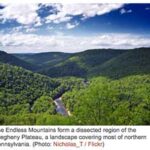
The Endless Mountains forms a dissected region of the Allegheny Plateau, a landscape covering most of norhtern Pennsylvania. (Photo: Nichloas T / Flickr)

Source: Earthjustice (2011) Read More

Dirty Energy Money

Dirty Energy Money

We’ve created maps of political campaign contributions from companies in the oil & gas and coal industries to congressional representatives. These are

Source: Dirty Energy Money | Oil Change International (2012) Read More

Newsweek Greenwashes the Oil Lobby for Real

Newsweek Greenwashes the Oil Lobby for Real

…At the same time as they talk big about going green, the oil barons have waged highly organized disinformation campaigns going back decades to prevent legislative efforts to combat climate change (

Source: FAIR (Fairness and Accuracy in Reporting) (2010) Read More

The Great Shale Gas Rush

The Great Shale Gas Rush

This is an excellent background on the Marcellus Shale Gas Rush. Website is sponsored by Shell which may signify a pro-industry editorialization. Nevertheless, the photographs and production are impressive.

Source: National Geographic (2010) Read More

GovTrack.us: Tracking the U.S. Congress

GovTrack.us: Tracking the U.S. Congress

Gov Track was the first website to apply the principles of open data and Web 2.0 to the U.S. Congress. It catalyzed the development of a community of like-minded developers and shaped the data-oriented open government movement that we see today.

Source: GovTrack.us (2004) Read More

What happened to climate change?

What happened to climate change?

One of the most glaring omissions during Obama’s State of the Union address was the acknowledgement of climate change. As the Senate and House return to Capitol Hill both sides are gearing up to attack the existing tool in place to address greenhouse gases – the Clean Air Act…

Source: EnergyVox | Citizen Energy (2011) Read More

Encana

Encana

Encana expanded aggressively into U.S. shale plays, positioning itself as a major unconventional producer across multiple basins. As drilling scaled, the company became part of the broader debate over groundwater safety, emissions, and regulatory oversight that accompanied high-volume hydraulic fracturing.

Source: Encana (2010) Read More

Frac Tech: Stage After Stage

Frac Tech: Stage After Stage

Frac Tech provided multi-stage fracturing services, enabling operators to fracture horizontal wells section by section — “stage after stage.” The technical refinement of staged fracturing turned shale from theory into scalable production. Innovation in sequencing proved as important as drilling depth.

Source: Frac Tech: Stage After Stage (2010) Read More

Congress Launches Investigation Into Gas Drilling Practices

Congress Launches Investigation Into Gas Drilling Practices

Members of Congress initiated investigations into gas drilling practices, requesting documents and testimony related to environmental impacts and regulatory compliance. When congressional oversight activates, the technical mechanics of fracking move into public record.

Source: ProPublica (2010) Read More

A Fracking First in Pennsylvania: Cattle Quarantine

A Fracking First in Pennsylvania: Cattle Quarantine

In a striking case reported by ProPublica, cattle in Pennsylvania were quarantined after exposure to drilling wastewater. The incident brought agricultural risk into the shale narrative, linking industrial operations with livestock health. When farms enter the story, extraction feels less remote and more immediate.

Source: ProPublica (2010) Read More

East Resources

East Resources

East Resources expanded rapidly in the Marcellus before selling major holdings in a multibillion-dollar transaction. The sale underscored how shale acreage could be aggregated and monetized quickly, turning regional drilling plays into national financial events.

Source: East Resources (2010) Read More

Civil Disobedience

Civil Disobedience

The Thoreau Reader, curated by Richard Lenat in cooperation with the Thoreau Society, presents annotated editions of Henry David Thoreau’s works including Civil Disobedience and Walden. Thoreau’s refusal to pay taxes in protest of slavery and the U.S. war with Mexico later influenced figures such as Mahatma Gandhi and Martin Luther King Jr., whose philosophy of nonviolent resistance drew upon Thoreau’s assertion that when government becomes destructive of human rights, individuals may have a moral duty to resist unjust law.

Source: Thoreau eServer by Richard Lenat (2002) Read More

Molly Ivins: Keeping Our Eyes on the Ball

Molly Ivins: Keeping Our Eyes on the Ball

Journalist Molly Ivins combined sharp political critique with Texas humor in her 2006 column urging voters to stay engaged during a turbulent election season. She condemned partisan attacks, voter suppression, and what she saw as ethical and policy failures of the Bush administration. Reminding readers that democracy depends on participation, Ivins called for vigilance, fairness, and civic courage—insisting that politics belongs to the people, not merely those in power.

Source: truthdig.com (2006) Read More

Barnett Shale

Barnett Shale

Before the Marcellus became a household term in drilling regions, the Barnett was the proving ground — the early large-scale demonstration that shale could produce at commercial volume. The Barnett story is where techniques hardened into routine: horizontal drilling, multi-stage fracking, pipeline buildout, and flaring. It’s the prequel basin — the place where the modern shale template was refined before it spread across the country.

Source: Wikipedia (2010) Read More

Superior Well Services – Products – Fracturing Systems

Superior Well Services - Products - Fracturing Systems

Superior Well Services supplied fracturing equipment and services that enable high-pressure injection into shale formations. The technical apparatus — pumps, sand, chemical blends — forms the industrial core of hydraulic fracturing. Behind every well is a logistics network measured in trucks and tons.

Source: Superior Well Services - Products - Fracturing Systems (2010) Read More

Fracked: Barnett Shale drilling chemicals found in blood and organs

Fracked: Barnett Shale drilling chemicals found in blood and organs

A Daily Kos report highlighted the case of Texas residents diagnosed with drilling chemicals in their blood and organs, prompting urgent health warnings and relocation. The story drew attention to emissions from oil and gas development and the availability of control technologies that could significantly reduce pollution if mandated. The article connected personal health concerns to broader regulatory debates, including calls to support the FRAC Act and strengthen protections under the Safe Drinking Water Act. It framed shale gas expansion as a public health issue extending beyond any single region.

Source: Daily Kos (2010) Read More

FERC: For Citizens: Get Involved

FERC: For Citizens: Get Involved

If you think you might be affected by a proposed natural gas or hydroelectric project regulated by the Commission, you have certain rights. These rights range from being able to look at project correspondence to becoming an intervener and being able to appeal any FERC decisions in federal court.

Source: Federal Energy Regulatory Commission (FERC) (2010) Read More

Greers Ferry Lake Natural Gas Watch

Greers Ferry Lake Natural Gas Watch

Max Brantley highlights concerns raised by the Greers Ferry Lake Natural Gas Watch about the risks fracking poses to local water resources, including Greers Ferry Lake and the Lake Maumelle watershed. The post critiques political responses to pipeline spills and questions the transparency of Arkansas’s Rule B19, which purported to require full disclosure of fracking chemicals. Critics argue the rule amounts to a “magic trick,” allowing industry to appear accountable without meaningful disclosure.

Source: Facebook | Greers Ferry Lake Natural Gas Watch (2010) Read More

Conoco Phillips Remediation

Conoco Phillips Remediation

ConocoPhillips, one of the world’s largest energy companies, has faced remediation obligations tied to environmental impacts in various jurisdictions. Cleanup efforts, consent decrees, and negotiated settlements form part of the lifecycle of extraction. Production may be the headline; remediation is the longer ledger.

Source: Conoco Phillips (2010) Read More

EPA in the Crosshairs

EPA in the Crosshairs

Politico, a Washington, D.C.–based political news outlet founded by former Washington Post reporters John Harris and Jim VandeHei, reported that Congressional Republicans were preparing to target EPA Administrator Lisa P. Jackson over the Obama administration’s environmental agenda. GOP lawmakers accused the Environmental Protection Agency of regulatory overreach, particularly in advancing climate rules and emissions limits. Jackson defended the agency’s authority as it moved to curb pollution from industry, automobiles, and coal-fired power plants.

Source: Politico (2010) Read More

Spectra Energy Watch

Spectra Energy Watch

Pennsylvania based blog covering many of the economic and ethical impacts of gas drilling for the people who are living with it.

Source: Spectra Energy Watch (2010) Read More

U.S. Environmental Protection Agency (EPA): Hydraulic Fracturing Study (2010-2012)

U.S. Environmental Protection Agency (EPA): Hydraulic Fracturing Study (2010-2012)

The Environmental Protection Agency compiled research, guidance, and regulatory interpretations on hydraulic fracturing as public scrutiny intensified. From underground injection rules to drinking water protections, the agency’s evolving position signaled how far federal oversight would reach — and where exemptions still stood.

Source: U.S. Environmental Protection Agency (EPA) (2010) Read More

EPA Findings on Hydraulic Fracturing Deemed “Unsupportable”

EPA Findings on Hydraulic Fracturing Deemed “Unsupportable”

EPA findings regarding hydraulic fracturing faced criticism from both industry and environmental advocates, who argued that certain conclusions were incomplete or methodologically flawed. The science itself became contested terrain. When federal findings are labeled “unsound,” confidence in oversight can erode quickly.

Source: Union of Concerned Scientists (2006) Read More

Howarth warns EPA on shale gas greenhouse footprint

Howarth warns EPA on shale gas greenhouse footprint

At an EPA meeting in 2010, Cornell scientist Robert Howarth warned that shale gas may be nearly as damaging to the climate as coal due to methane leakage during extraction and distribution. Methane is far more potent than carbon dioxide in trapping heat, and even small leakage rates could significantly worsen global warming. Activists urged the EPA to suspend high-volume hydraulic fracturing until scientific assessments were complete and climate risks more fully understood.

Source: Daily Kos (2010) Read More

Energy in Depth

Energy in Depth

Energy in Depth continued to advocate for hydraulic fracturing through media outreach and rapid-response commentary, positioning itself as a counterweight to environmental criticism. In the shale era, narrative strategy became as organized as drilling logistics.

Source: Energy in Depth (2010) Read More

Environmental Integrity Project (EIP)

Environmental Integrity Project (EIP)

EIP combines research, reporting, and media outreach to spotlight illegal pollution, expose political intimidation of enforcement staff, and encourage federal and state agencies to take enforcement action to stop these practices. EIP’s work has been cited in Congressional hearings and debates, in reports by the US General Accountability Office, and in frequent news articles.

Source: Environmental Integrity Project (EIP) (2011) Read More

Environmental Dangers of Hydro-Fracturing

Environmental Dangers of Hydro-Fracturing

Bob Myers, an avid hiker, in Lock Haven, Pa., has become concerned that state forests are being freely leased to drilling firms, leading to clear-cutting of forests, sludge pits and risks of accidents.

Source: Lock Haven University (2010) Read More

Industrial Scars

Industrial Scars

Bear witness to the environmental destruction that is currently plaguing our planet; from a forest in West Virginia devastated by mountaintop removal mining, to a region in Florida left in ruins by the phosphate mining industry, J. Henry Fair presents hard evidence that our unchecked consumerism is leading the way in the destruction of our planet, one natural resource at a time.

Source: Industrial Scars (2011) Read More

2010

December (2010)

Environmental Groups Support U.S. EPA in Texas Air Permit Case

Environmental Groups Support U.S. EPA in Texas Air Permit Case

In August 2010, Environmental Defense Fund and the Environmental Integrity Project moved to intervene in the U.S. Court of Appeals for the Fifth Circuit after Texas Attorney General Greg Abbott sued the U.S. Environmental Protection Agency over its disapproval of Texas’ Flexible Air Permitting program. EDF’s Jim Marston argued that Governor Rick Perry was seeking a “special pollution pass” rather than complying with the Clean Air Act, while federal regulators defended the EPA’s authority to enforce national air standards.

Source: Environment News Service (ENS) (2010) Read More

The Case for a Truth and Reconciliation Commission on Toxic Hazards

The Case for a Truth and Reconciliation Commission on Toxic Hazards

In the 1970s, Congress passed a host of environmental laws that sought to adopt a preventive approach to reducing disease and protecting health and environment. Since then, average body burdens of some persistent toxic materials such as lead and cadmium have fallen, but those of other newer materials, like persistent flame retardants, have risen.

Source: Physicians for Social Responsibility (PSR) (2010) Read More

Whistle Blower’s Corner

Whistle Blower's Corner

Every thing secret degenerates, even the administration of justice; nothing is safe that does not show how it can bear discussion and publicity.’

Source: Basel Action Network (BAN) (2010) Read More

Criminalising Civil Disobedience

Criminalising Civil Disobedience

SourceWatch traces the popularization of the term “eco-terrorism” to Ron Arnold of the Center for the Defense of Free Enterprise. After September 11, the label gained traction through legislation promoted by the American Legislative Exchange Council (ALEC), blurring the line between peaceful civil disobedience and terrorism. Environmental groups such as Greenpeace and the Rainforest Action Network argue that redefining protest as “terrorism” threatens media visibility, fundraising capacity, and constitutionally protected dissent.

Source: SourceWatch (2017) Read More

Gas Drilling Trucks

Gas Drilling Trucks

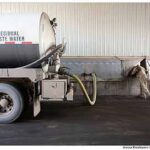
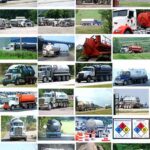
Our look at Canadian Sand and Proppant or cement for gas well casings. Whatever the name or use of these various trucks, they usually catch your attention when they are parked roadside or travelling down the highway as oversize loads.

Source: Marcellus-Shale.us (2009) Read More

ConserveLand

ConserveLand

ConserveLand advocates for land protection strategies in regions facing development pressure. Conservation easements, zoning decisions, and watershed protections become defensive tools when extraction interest rises. Preservation is often proactive — before leases are signed.

Source: ConserveLand (2010) Read More

Gas Wells Are Not Our Friends | Endless Mountains Visitors Guide: New Attraction in PA – Visit a Well Pad

Gas Wells Are Not Our Friends  |  Endless Mountains Visitors Guide: New Attraction in PA - Visit a Well Pad

In Pennsylvania’s Endless Mountains, critics pushed back against industry messaging that framed drilling as neighborly partnership. Rigs, compressor stations, and heavy truck traffic altered rural rhythms. Supporters pointed to royalties and tax revenue. Opponents saw landscapes carved by access roads and pipelines. The slogan made the divide explicit.

Source: Gas Wells Are Not Our Friends (2010) Read More

Homeland Security in Cahoots with Fracking Gas Corporations

Homeland Security in Cahoots with Fracking Gas Corporations

Leaked internal bulletins revealed that Pennsylvania’s Department of Homeland Security contracted a private intelligence firm to monitor anti-drilling activists, sparking public outrage and forcing Gov. Ed Rendell to apologize and cancel the agreement. The episode raised serious concerns about civil liberties, state surveillance, and the alignment of public agencies with natural gas industry interests.

Source: Workers World (2010) Read More

YES! Magazine | Partners

YES! Magazine | Partners

YES! Magazine reframes the biggest problems of our time in terms of their solutions. Online and in print, we outline a path forward with in-depth analysis, tools for citizen engagement, and stories about real people working for a better world.

Source: YES! Magazine (2010) Read More

Berkeley-BP Deal Only Looks Worse Post-Spill

Berkeley-BP Deal Only Looks Worse Post-Spill

The potential consequences for the environment and society of BP’s funded research on biofuels at Berkeley are deeply disturbing. Many scientists have long predicted that the large-scale industrial boom in biofuels will be disastrous for farmers, the environment and consumers and now marine ecosystems.

Source: The Daily Californian (2010) Read More

U.S. Environmental Protection Agency (EPA): EPA Announces “Eyes on Drilling” Tipline.

U.S. Environmental Protection Agency (EPA): EPA Announces “Eyes on Drilling” Tipline.

The Environmental Protection Agency weighed how existing federal statutes applied to hydraulic fracturing — parsing authority under the Safe Drinking Water Act and Clean Water Act. As pressure mounted from both industry and environmental groups, the EPA’s interpretations shaped whether certain practices required permits or fell through regulatory gaps.

Source: US EPA: “Eyes on Drilling” Tipline. (2010) Read More

Shaleshock

Shaleshock

Shaleshock captures the upheaval unleashed by rapid shale development — economic spikes, social strain, environmental uncertainty. As drilling rigs multiply, communities wrestle with boomtown dynamics: housing shortages, infrastructure stress, divided neighbors. The shock isn’t only geological. It’s civic. The ground may hold gas, but the surface holds consequences.

Source: Shaleshock (2010) Read More

Probe Earth’s Interior with Advanced Radiation Sources

Probe Earth's Interior with Advanced Radiation Sources

Consortium for Materials Properties Research in Earth Sciences is a community-based consortium whose goal is to enable Earth Science researchers to conduct the next generation of high-pressure science on world-class equipment and facilities.

Source: Consortium for Materials Properties Research in Earth Sciences (COMPRES) (2011) Read More

Marcellus-Shale.us: Our look at the Halliburton Loophole – 2005 Energy Act

Marcellus-Shale.us: Our look at the Halliburton Loophole - 2005 Energy Act

The so-called “Halliburton loophole” — language in the Energy Policy Act of 2005 that exempted most hydraulic fracturing from the Safe Drinking Water Act — became a flashpoint. Critics argued the exemption removed federal oversight from underground injection practices. Supporters maintained states could regulate effectively. The loophole wasn’t just statutory text; it defined the regulatory boundary of a boom.

Source: Marcellus-Shale.us (2010) Read More

Federation of American Scientists (FAS) – SourceWatch

Federation of American Scientists (FAS) - SourceWatch

The Federation of American Scientists envisions a world where cutting-edge science, technology, and expertise are embedded in government and public discourse to meet the largest challenges of our time. In the shale debate, FAS compiled technical analyses of energy systems, environmental risks, and policy frameworks. Where campaign rhetoric often dominated headlines, its documentation grounded arguments in research — a reminder that extraction is both industrial process and national strategy.

Source: SourceWatch (2010) Read More

Sanjel Corporation

Sanjel Corporation

Sanjel Corporation was among the companies the U.S. House Committee on Energy and Commerce investigated for potential environmental impacts related to hydraulic fracturing. The firm provides cementing and fracturing services across North American shale basins, supporting well completion at high pressure and high volume. As a service company, Sanjel forms part of the operational backbone of unconventional drilling — translating lease rights into functioning wells through specialized crews and equipment.

Source: Sanjel Corporation :: A Specialized Energy Service Company (2010) Read More

Range Resources

Range Resources

Range Resources was among the early movers in developing the Marcellus Shale, helping demonstrate the viability of large-scale horizontal drilling in Pennsylvania. As production expanded, the company became both a symbol of shale’s promise and a participant in disputes over water contamination and oversight.

Source: Range Resources (2010) Read More

Norse Energy Corporation

Norse Energy Corporation

Norse Energy pursued drilling opportunities in New York’s portion of the Marcellus Shale during a period of regulatory uncertainty. As the state debated whether to permit high-volume fracturing, companies like Norse positioned themselves in anticipation of a potential green light — timing their strategy to political outcome.

Source: Norse Energy Corporation (2010) Read More

Exxon Confronts Nuns, Calpers Over Global Warming Plans, Boskin

Exxon Confronts Nuns

Exxon confronted shareholder resolutions from Catholic nuns and the California Public Employees’ Retirement System (CalPERS) over climate disclosure and long-term strategy. The religious orders argued that the company’s global warming plans failed to account for environmental and moral risk, while CalPERS — one of the nation’s largest public pension funds — framed climate exposure as a material financial concern. The pressure signaled a shift: climate risk had moved from protest lines into boardrooms and proxy votes.

Source: Bloomberg.com (2007) Read More

DamascusCitizens.org

DamascusCitizens.org

A local citizen site rooted in place: Damascus Township, Pennsylvania — a community that became nationally visible after drilling-related conflict and contamination allegations. The hook is the ground truth of a boom: residents organizing, documenting, and refusing to be treated as a footnote. When state reports and corporate statements clash, citizen archives like this become an alternate ledger — names, dates, meetings, photos, and lived consequence.

Source: DamascusCitizens.org (2010) Read More

Big Oil Goes to College

Big Oil Goes to College

Hundreds of millions of dollars in grants from major oil companies may have compromised the ethics of energy research at such institutions as UC Berkeley, UC Davis, Stanford and Cornell.

Source: AmericanProgress.org (2010) Read More

Cabot Oil & Gas

Cabot Oil & Gas

Cabot Oil & Gas became one of the most visible operators in Pennsylvania’s Marcellus region, praised for production gains and scrutinized over contamination allegations. The company’s trajectory illustrates the dual narrative of the shale era: rapid growth paired with persistent environmental dispute.

Source: Cabot Oil & Gas (2010) Read More

Ardent Resources, Inc.

Ardent Resources

Ardent Resources pursued exploration and development opportunities in shale plays during a period of aggressive lease acquisition. Smaller firms like Ardent often entered early, positioning acreage before consolidation and capital restructuring reshaped the field.

Source: Ardent Resources, Inc. (2010) Read More

U.S. Energy Information Administration. EIA Energy Kids – Natural Gas

U.S. Energy Information Administration. EIA Energy Kids - Natural Gas

Another institutional baseline from EIA, focused on definitions, data series, and the measurable backbone of the energy system. It’s the opposite of a press release: less persuasion, more structure. The hook is how quietly powerful standardized data can be — the charts that underpin policy arguments, investment claims, and forecasts. When someone says “energy independence,” EIA is where you check what that phrase actually means.

Source: Energy Information Administration (2010) Read More

Marcellus Accountability Project (MAP)–Tompkins – News & Events

Marcellus Accountability Project (MAP)–Tompkins - News & Events

In Tompkins County, the Marcellus Accountability Project tracked permits, leases, and policy shifts tied to the Marcellus Shale. Local activists parsed dense filings and surfaced questions about health, zoning, and infrastructure strain. As landmen canvassed neighborhoods and lease bonuses circulated, MAP focused on accountability — asking who benefits, who bears risk, and who decides.

Source: MAP - Tompkins (2010) Read More

Protect the Endless Mountains of Northeastern PA

Protect the Endless Mountains of Northeastern PA

In Pennsylvania’s Endless Mountains region, conservation advocates warned that shale development could fracture more than rock formations. Forest corridors, streams, and tourism economies stood at risk. For residents who prized quiet landscapes, the debate wasn’t anti-progress — it was about whether some places should remain intact.

Source: Protect the Endless Mountains of Northeastern PA (2010) Read More

Republicans for Environmental Protection (REP America)

Republicans for Environmental Protection (REP America)

Republicans for Environmental Protection challenged the idea that conservation belonged to one party. As shale politics hardened along partisan lines, REP argued for water safeguards and responsible oversight grounded in stewardship, not ideology. Their presence complicated the narrative: support for environmental protection did not neatly map onto party identity — even in energy-producing states.

Source: Republicans for Environmental Protection (2010) Read More

Food and Water Watch

Food and  Water Watch

Some energy analysts are predicting that natural gas will be the fuel of the future if advances in drilling technology allow drillers to tap into domestic shale rock formations on a large scale. But because of the impacts that the technology can have on water, natural gas could become our next energy disaster.

Source: Food and Water Watch (2021) Read More

Public Supports Consumer and Environmental Protections, Polls Show

Public Supports Consumer and Environmental Protections

Americans overwhelmingly support government protection of the environment and consumers, a series of new polls shows. The findings come as efforts to enforce and expand regulation face increasingly hostile rhetoric from conservatives and industry representatives in Washington.

Source: OMB Watch (2010) Read More

WATER | Clean Water Action

WATER | Clean Water Action

Clean Water Action mobilized members across states where shale development surged, pressing for tighter wastewater standards and federal oversight. With decades of experience battling industrial pollution, the organization turned its attention to hydraulic fracturing and disposal practices. As court rulings narrowed Clean Water Act protections, advocates argued that enforcement gaps could widen just as drilling intensified.

Source: Clean Water Action (2010) Read More

November (2010)

WATER | Aurora Lights. Public Health & Coal Slurry – Water Quality ::: Journey Up Coal River

WATER | Aurora Lights. Public Health & Coal Slurry - Water Quality ::: Journey Up Coal River

In Appalachia, coal slurry impoundments loomed over communities — vast ponds of mining waste held back by earthen dams. Public health advocates warned of contamination risks and catastrophic failure. As energy extraction intensified across sectors, the conversation widened: shale gas wasn’t the first industry to promise prosperity while leaving water questions unresolved.

Source: Aurora Lights (2010) Read More

Natural Resources Defense Council (NRDC) – The Earth’s Best Defense

Natural Resources Defense Council (NRDC) - The Earth's Best Defense

The Natural Resources Defense Council combined litigation, scientific research, and policy advocacy to press for stricter oversight of drilling practices. Through lawsuits and regulatory commentary, NRDC positioned itself as a national counterweight to industry lobbying in the shale era.

Source: Natural Resources Defense Council (NRDC) (2010) Read More

Mobilize to End Mountantop Removal!

Mobilize to End Mountantop Removal!

Appalachia Rising, a national mobilization held in Washington, D.C., September 25–27, 2010, brought together coalfield residents, grassroots groups, and national organizations to protest mountaintop removal coal mining and its destruction of Appalachian mountains, waterways, and communities. The action ’culminated in arrests at the White House and was covered by outlets including Democracy Now!, framing mountaintop removal as both an environmental and public health crisis affecting America’s water supply.

Source: Appalachia Rising (2010) Read More

Drilling Wastewater Disposal Options in N.Y. Report Have Problems of Their Own – ProPublica

Drilling Wastewater Disposal Options in N.Y. Report Have Problems of Their Own - ProPublica

New York faced a practical question with massive implications: what do you do with the wastewater? Truck it? Treat it? Inject it? Store it? The choices sound technical until you scale them — volumes, routes, facilities, permits — and realize disposal is the hidden engine of the boom. This entry centers the downstream reality of fracking: what comes back up, where it goes, and which communities inherit the burden.

Source: ProPublica (2009) Read More

ToxFAQs™: Hydrogen Sulfide

ToxFAQs™: Hydrogen Sulfide

Hydrogen sulfide — a colorless gas with a rotten-egg odor — can be released during oil and gas operations. At high concentrations, it is dangerous; at lower levels, it can cause headaches and respiratory irritation. Toxicology sheets like this ground political debate in chemistry. What’s in the air matters.

Source: Agency of Toxic Substances and Disease Registry (ATSDR) (2006) Read More

Drilling blamed for Java mud leak

Drilling blamed for Java mud leak

January 24, 2007. A mud flow that has displaced thousands of Indonesians was most probably caused by gas drilling, scientists say.

Source: BBC News | Asia-Pacific (2007) Read More

Chesapeake Energy – Natural Gas: Fueling America’s Future

Chesapeake Energy - Natural Gas: Fueling America's Future

Chesapeake Energy became one of the most aggressive leaseholders in the shale era, promoting natural gas as a bridge fuel for American energy independence. Its rapid expansion, bold leadership, and financial leverage made it both a driver of the boom and a case study in volatility.

Source: Chesapeake Energy - America's Champion of Natural Gas (2010) Read More

No Frack Mountain

No Frack Mountain

Pennsylvania based blog. Includes a quotes page unique to blogs on the environment, highlighting the struggle between citizens, corporations, and government regulations, providing a larger historical context.

Source: No Frack Mountain (2010) Read More

Heartbreaking Stories Warn New Yorkers of What May Be in Store if the State OKs Controversial Gas Drilling

Heartbreaking Stories Warn New Yorkers of What May Be in Store if the State OKs Controversial Gas Drilling

Pennsylvania families told New Yorkers what drilling looked like up close: truck traffic at dawn, compressor noise at night, leases signed in haste. As Albany weighed policy, their stories became cautionary testimony. Supporters touted jobs and tax revenue. Opponents carried photos and medical files. The debate wasn’t theoretical — it was a preview offered across state lines.

Source: AlterNet (2009) Read More

What is the National Children’s Study?

What is the National Children's Study?

The National Children’s Study will examine the effects of the environment, as broadly defined to include factors such as air, water, diet, sound, family dynamics, community and cultural influences, and genetics on the growth, development, and health of children across the United States, following them from before birth until age 21 years.

Source: nationalchildrensstudy.gov (2008) Read More

Western Organization of Resource Councils (WORC)

Western Organization of Resource Councils (WORC)

Western Organization of Resource Councils is a regional network of seven grassroots community organizations that include 10,000 members and 45 local chapters. WORC helps its member groups succeed by providing training and coordinating issue work.

Source: Western Organization of Resource Councils (WORC) (2010) Read More

Gasland: Drilling Isn’t Safe

Gasland: Drilling Isn't Safe

The advocacy site DrillingIsntSafe.org argues that hydraulic fracturing poses documented risks of drinking water contamination, air pollution, and chemical exposure, citing the 2010 documentary Gasland by Josh Fox as a catalyst for national awareness. The site critiques Energy in Depth—funded by the American Petroleum Institute—for attempting to counter the film’s claims, framing the public debate over fracking as a clash between industry public relations efforts and citizen-driven environmental accountability.

Source: Drilling Isn't Safe (2010) Read More

Catskill Mountainkeeper | Working Together to Protect the Catskills

Catskill Mountainkeeper | Working Together to Protect the Catskills

In the Catskills — source of New York City’s unfiltered drinking water — Mountainkeeper advocates pressed for caution as the Marcellus Shale boom approached. The group tracked lease activity, organized residents, and scrutinized regulatory frameworks. For a watershed serving millions, the margin for error felt razor thin.

Source: Catskill Mountainkeeper (2008) Read More

CONSOL Energy

CONSOL Energy

CNX Gas, a subsidiary of CONSOL Energy, is one of the largest natural gas producers in the Appalachian Basin. In 2010, CONSOL significantly expanded its footprint by purchasing Dominion’s Exploration and Production business for $3.475 billion, adding 1.46 million acres and more than 9,000 producing wells, including substantial holdings in the Marcellus Shale. The acquisition positioned CONSOL as a dominant player in Appalachian gas development and strengthened its leadership in the rapidly growing Marcellus region.

Source: CONSOL Energy (2010) Read More

Tar Sands – National Wildlife Federation

Tar Sands - National Wildlife Federation

Big Oil has some big plans to put America’s clean energy future in jeopardy by expanding the production of tar sands oil – one of the most destructive, dirty, and costly fuels in the world.

Source: National Wildlife Federation (2010) Read More

National Parks Traveler | Bush Administration Poised to Sell Oil and Gas Leases Around Dinosaur National Monument, Arches and Canyonlands National Parks

National Parks Traveler | Bush Administration Poised to Sell Oil and Gas Leases Around Dinosaur National Monument

Reporting on policies during the Bush administration, National Parks Traveler examined how energy development proposals intersected with protected federal lands. When drilling interests approached park boundaries, preservationists questioned whether conservation commitments would hold against energy priorities.

Source: National Parks Traveler (2008) Read More

Colorado GOP to EPA: Keep your noses out of our fracking fluid

Colorado GOP to EPA: Keep your noses out of our fracking fluid

In July 2010, eighteen Republican members of the Colorado State Legislature sent a formal letter to the U.S. Environmental Protection Agency demanding that the agency refrain from regulating hydraulic fracturing, regardless of what its two-year study might conclude. The dispute, reported by The Colorado Independent, revived debate over the “Halliburton loophole” advanced during Vice President Dick Cheney’s 2005 Energy Policy Act, as state lawmakers argued against federal oversight of fracking fluids and disclosure requirements while environmental advocates pressed for stricter Clean Air Act and Safe Drinking Water Act enforcement.

Source: The Colorado Independent (2010) Read More

Shale Gas Shenanigans

Shale Gas Shenanigans

“Shale Gas Shenanigans” cataloged disputed claims, regulatory inconsistencies, and industry messaging strategies surrounding hydraulic fracturing. The tone may carry humor, but the substance tracks contested science and policy gaps. Beneath the wordplay lies documentation.

Source: Energy Bulletin (2010) Read More

BP Deal to Expand US Shale-Gas Operations

BP Deal to Expand US Shale-Gas Operations

BP struck deals to expand its footprint in U.S. shale-gas operations, signaling that multinational oil majors saw unconventional gas as a strategic growth sector. Large-scale investment by global firms reframed shale from regional experiment to cornerstone of long-term portfolio strategy.

Source: Rigzone | Dow Jones Newswire (2010) Read More

New York Land For Lease For Natural Gas Exploration

New York Land For Lease For Natural Gas Exploration

Organized in 2008, the Tioga County Landowners Group represents more than 1,600 families controlling over 111,000 acres in Tioga County, New York, with roughly 75,000 acres available for natural gas leasing. Formed to educate landowners about mineral rights opportunities amid the Marcellus Shale drilling boom, the coalition seeks a “fair and equitable” drilling partner while positioning itself as a ready participant in hydraulic fracturing development in upstate New York.

Source: Tioga County Landowners Group for the Tioga Gas Lease (2008) Read More

Louisiana Environmental Action Network (LEAN)

Louisiana Environmental Action Network (LEAN)

The Louisiana Environmental Action Network (LEAN), founded in 1986, is a community-based nonprofit working to address environmental and public health challenges in Louisiana. Through education, advocacy, technical assistance, and leadership development, LEAN supports residents confronting pollution, industrial conflicts, and regulatory concerns. Its initiatives include community empowerment programs, river stewardship efforts, and grassroots organizing aimed at increasing local control over environmental decision-making.

Source: Louisiana Environmental Action Network (LEAN) (2010) Read More

Natural Gas Drilling Threatens Communities in Northeastern United States

Natural Gas Drilling Threatens Communities in Northeastern United States

In a 2009 report for the Philadelphia Independent Media Center, Nastassja Noell documented escalating tensions in Pennsylvania, Ohio, and West Virginia over natural gas drilling. Residents described spills, road accidents, and regulatory failures involving Cabot Oil & Gas and Chesapeake Energy, while activist Joanne Fiorito criticized the Pennsylvania DEP for failing to monitor sites. As federal and state oversight faltered, some citizens turned to civil disobedience to defend land, air, and water.

Source: Philadelphia Independent Media Center (2009) Read More

U.S. (EPA): Elimination of Diesel Fuel in Hydraulic Fracturing Fluids Injected into Underground Sources of Drinking Water During Hydraulic Fracturing of Coalbed Methane Wells

U.S. (EPA): Elimination of Diesel Fuel in Hydraulic Fracturing Fluids Injected into Underground Sources of Drinking Water During Hydraulic Fracturing of Coalbed Methane Wells

The U.S. Environmental Protection Agency moved to eliminate the use of diesel fuel in hydraulic fracturing fluids without proper permitting under the Safe Drinking Water Act. Diesel contains benzene and other hazardous compounds. The policy signaled a tightening stance — a recognition that what goes downhole can travel in ways regulators once downplayed.

Source: U.S. Environmental Protection Agency (EPA) (2003) Read More

Marsh Fork Elementary: Journey Up Coal River | A Community and Strip Mining

Marsh Fork Elementary: Journey Up Coal River | A Community and Strip Mining

In West Virginia’s Coal River Valley, Marsh Fork Elementary sat downstream from a massive coal slurry impoundment — millions of gallons of mining waste held behind an earthen dam. Parents worried about what would happen if it failed. Students practiced evacuation drills. The story wasn’t abstract environmental policy; it was children attending school in the shadow of extraction.

Source: Aurora Lights (2015) Read More

October (2010)

TckTckTck | I Am Ready

TckTckTck | I Am Ready

TckTckTck was a global alliance uniting environmental groups, labor organizations, faith communities, and citizens to demand a fair, ambitious, and binding international climate treaty. Formed around the Copenhagen climate summit, the coalition mobilized mass demonstrations and called for strong legal commitments to curb emissions. Although the site is no longer active, its message emphasized climate justice, green jobs, and protection for vulnerable nations, arguing that decisive global action remained urgently necessary.

Source: TckTckTck.org (2009) Read More

West Virginia Blue: Dunkard Creek fish kill

West Virginia Blue: Dunkard Creek fish kill

The 2009 Dunkard Creek fish kill devastated a 38-mile ecosystem in West Virginia, wiping out more than 160 species of fish, mussels, salamanders and aquatic life. Investigators pointed to oil and gas drilling wastewater as the most likely cause, amid concerns about inadequate treatment capacity in the Marcellus Shale region. The disaster sparked outrage among local observers and raised urgent questions about wastewater management, regulatory oversight, and the environmental costs of rapid shale gas development.

Source: West Virginia Blue (2009) Read More

Drilling Marcellus Shale: Unlimited Natural Gas Company Contributions to Pennsylvania Politicians

Drilling Marcellus Shale: Unlimited Natural Gas Company Contributions to Pennsylvania Politicians

MarcellusMoney.org tracks political donations from fracking interests in Pennsylvania, documenting millions of dollars contributed to state candidates and party committees between 2007 and 2018. The site, supported by research from Common Cause Pennsylvania, exposes the financial ties between drilling companies and elected officials, framing shale gas development as not only an environmental issue but also a question of democratic accountability and the influence of corporate money in state politics.

Source: Marcellus Money (2010) Read More

Raul Grijalva’s MySpace Blog

Raul Grijalva's MySpace Blog

Congressman Raúl Grijalva used early social media platforms to challenge energy policy and call for stronger environmental oversight. In the late-2000s digital landscape, blogs and MySpace posts became tools for shaping public narrative — lawmakers speaking directly to constituents about drilling, climate, and regulatory reform.

Source: Raul Grijalva's MySpace Blog (2006) Read More

Environmental Defense Fund – Finding the Ways That Work

Environmental Defense Fund - Finding the Ways That Work

The Environmental Defense Fund focused on measurable methane leakage and pragmatic solutions, arguing that improved monitoring and technology could reduce emissions from natural gas systems. EDF’s approach emphasized data and collaboration, positioning methane control as both environmental necessity and operational opportunity.

Source: Environmental Defense Fund - Finding the Ways That Work (2010) Read More

Clean Water Restoration Act of 2009 (S 787)

Clean Water Restoration Act of 2009 (S 787)

The Clean Water Restoration Act aimed to clarify and restore federal authority over streams and wetlands narrowed by Supreme Court rulings. Supporters argued it would close regulatory gaps affecting small waterways. Opponents warned of expanded federal reach. In drilling regions, the bill’s language carried implications for wastewater oversight and watershed protection.

Source: cleanwateraction.org (2010) Read More

Watchdog: New York State Regulation of Natural Gas Wells Has Been “Woefully Insufficient for Decades.”

Watchdog: New York State Regulation of Natural Gas Wells Has Been "Woefully Insufficient for Decades."

Watchdog reporting scrutinized New York’s regulatory approach to natural gas development as the state weighed whether to permit high-volume hydraulic fracturing. New York–based Toxics Targeting examined the Department of Environmental Conservation’s own spill database, identifying 270 documented cases over three decades involving fires, explosions, wastewater releases, well contamination, and ecological damage tied to gas drilling — many still unresolved. The findings challenged repeated assurances that existing regulations were sufficient to safeguard public health and the environment.

Source: Democracy Now! (2009) Read More

World-Renowned Scientist Dr. Theo Colborn on the Health Effects of Water Contamination from Fracking

World-Renowned Scientist Dr. Theo Colborn on the Health Effects of Water Contamination from Fracking

Dr. Theo Colborn, founder of The Endocrine Disruption Exchange, warned that chemicals used in hydraulic fracturing could interfere with hormonal systems at low concentrations. Her research focused on endocrine disruption — subtle biological effects not always captured by traditional toxicology thresholds. The implications extended beyond spills to long-term exposure science.

Source: Democracy Now! (2010) Read More

Leaking Underground Storage Tanks

Leaking Underground Storage Tanks

Environmental engineer Dr. Joe Ryan of the University of Colorado explained how even small gasoline leaks can contaminate millions of gallons of groundwater, drawing parallels to risks associated with natural gas storage and fracking waste. At a July 9, 2010 EPA meeting in Texas, citizen Tim Ruggiero testified that drilling near his property led to contaminated drinking water resembling MTBE exposure, underscoring growing concerns raised at EPA hearings about benzene, BTEX compounds, and undisclosed fracking chemicals.

Source: Boulder Area Sustainability Network (BASIN) (2010) Read More

Center for Healthy Environments & Communities Homepage

Center for Healthy Environments & Communities Homepage

The Center for Healthy Environments & Communities bridged research and public health, examining how environmental exposure intersects with community well-being. In drilling regions, health data becomes part of the evidence base — linking air, water, and lived experience through structured study rather than anecdote.

Source: Center for Healthy Environments & Communities Homepage (2010) Read More

Rancho Los Malulos | A satirical view from the McGill Brothers Lease

Rancho Los Malulos | A satirical view from the McGill Brothers Lease

At Rancho Los Malulos, satire met shale. Through humor and parody, the site skewered industry optimism and political doublespeak. Behind the jokes lay a serious critique: when official narratives grow polished, satire becomes a pressure valve — and sometimes a sharper mirror than straight reporting.

Source: Rancho Los Malulos (2009) Read More

Extraction-tax and campaign donations

Extraction-tax and campaign donations

Marcellus Shale Money Watch emerged as a transparency initiative urging Pennsylvania legislators to disclose campaign contributions from the natural gas industry during debates over extraction taxes. Partnering with advocacy groups such as Common Cause, the project highlighted loopholes in campaign finance reporting that allowed donations to remain undisclosed until after key votes. The broader effort reflects ongoing concerns about industry influence, political accountability, and the role of small-donor, citizen-funded election reforms in strengthening democratic governance.

Source: Philly.com (2010) Read More

The Hidden Costs of Clean Coal: Longwall Mining Documents

The Hidden Costs of Clean Coal: Longwall Mining Documents

The Center for Public Integrity compiled a document archive supporting its investigation into longwall coal mining and its environmental and social impacts. Materials include state and federal records, environmental studies, legal agreements, landowner correspondence, and regulatory filings. The collection provides background documentation for reporting on subsidence damage, water contamination, and the regulatory framework governing coal extraction in affected communities.

Source: The Center for Public Integrity (2009) Read More

Futurism Now

Futurism Now

Futurism Now, a Minnesota-based blog by Shelly Thomas, examines energy policy, climate change, and environmental justice through news aggregation, commentary, and multimedia resources. Active since 2008, the site covers international energy issues, including tar sands development, climate science denial, and corporate political influence. It highlights environmental impacts such as water contamination, carbon emissions, and industrial extraction, while linking activism, investigative journalism, and grassroots advocacy.

Source: Futurism Now (2011) Read More

September (2010)

Shale Gas Costing 2/3 Less Than OPEC Oil Incites Water Concern

Shale Gas Costing 2/3 Less Than OPEC Oil Incites Water Concern

Shale gas priced at a fraction of OPEC crude ignited a drilling rush across the U.S., redrawing global energy math. Investors poured billions into horizontal wells and hydraulic fracturing, betting on domestic abundance. As rigs multiplied, so did questions: could regulators keep pace? Cheap gas promised independence — but the speed of the boom raised stakes far beyond balance sheets.

Source: Bloomberg.com (2010) Read More

Water All Around … Or is There? | Activist’s Corner

Water All Around … Or is There? | Activist's Corner

This report examines the overlooked strain fracking places on freshwater resources, focusing not only on methane leaks and well contamination but also on the large-scale withdrawal of surface water. Using examples from Pennsylvania, including lawsuits in Dimock, the article raises concerns that hydrofracturing may be depleting and degrading critical water supplies, adding another dimension to the environmental and public health debate.

Source: Workers World (2010) Read More

Climate Ground Zero

Climate Ground Zero

Climate Ground Zero relocated to West Virginia in 2009 to support residents opposing mountaintop removal at Coal River Mountain. Working alongside Mountain Justice and local activists, the campaign organized nonviolent civil resistance after clear-cutting began. Despite widespread opposition among West Virginians, activists argue that both the EPA and the West Virginia Department of Environmental Protection failed to halt coal industry destruction, leading to over 150 arrests in ongoing direct actions.

Source: Climate Ground Zero (2009) Read More

Obama’s gifts to extractive industries continue with defense of Bush mining policy

Obama's gifts to extractive industries continue with defense of Bush mining policy

In April 2010, Earthworks criticized the Obama administration for defending a Bush-era policy allowing unlimited toxic mine waste dumping on public lands, arguing the move contradicted stated commitments to environmental reform. The organization framed the decision as another example of federal policy favoring extractive industries over water protection, public lands stewardship, and community health.

Source: Earthworks (2010) Read More

New Lawsuit Filed in Fracking Country

New Lawsuit Filed in Fracking Country

More than a dozen families in Susquehanna County, Pennsylvania filed suit against Southwestern Energy Production Company, alleging that releases of combustible gases, hazardous chemicals, and industrial wastes from nearby drilling sites contaminated their drinking water and caused illness. The lawsuit, part of a broader wave of legal and regulatory challenges surrounding hydraulic fracturing in the Marcellus Shale, intensified scrutiny at the local, state, and federal levels as energy companies expanded drilling across Pennsylvania, West Virginia, Ohio, and New York.

Source: Green | NYTimes.com (2010) Read More

Obama Admin Rejects Timeout for Natural Gas Drilling in N.Y., Pa.

Obama Admin Rejects Timeout for Natural Gas Drilling in N.Y.

President Obama and federal officials declined calls to seek a temporary halt on Marcellus Shale drilling in the Delaware River Basin pending a cumulative environmental impact study, despite appeals from Rep. Maurice Hinchey and environmental advocates. The dispute exposed tensions between economic development and watershed protection, with critics arguing that comprehensive risk assessment should precede regulatory approval in order to safeguard the basin’s Special Protection Waters.

Source: The New York Times: Greenwire (2010) Read More

Gas Drillers Plead Guilty to Felony Dumping Violations

Gas Drillers Plead Guilty to Felony Dumping Violations

Two operators associated with Swamp Angel Energy pleaded guilty to felony violations of the Safe Drinking Water Act after unlawfully injecting 200,000 gallons of brine into an abandoned well near the Allegheny National Forest. The case marked a rare instance of criminal enforcement in the fracking boom, underscoring concerns that routine fines often failed to deter serious contamination risks linked to oil and gas wastewater disposal.

Source: ProPublica (2010) Read More

IQS (Info Quick Solutions, Inc.) – Search Cortland County

IQS (Info Quick Solutions

Online court record systems allowed citizens and attorneys to track lawsuits tied to drilling operations — contract disputes, contamination claims, regulatory challenges. Transparency in dockets revealed how frequently energy development intersected with litigation. The public record became part of the accountability mechanism.

Source: Cortland County: Search Public Records (2025) Read More

Rainforest Action Network

Rainforest Action Network

The Rainforest Action Network warned that President Barack Obama’s EPA remained too aligned with coal interests after approving a mountaintop removal permit in Logan County, West Virginia. That warning gained urgency when, in September 2009, 161 aquatic species were wiped out along 38 miles of Dunkard Creek after coal-mine discharges created high conductivity levels that allowed toxic golden algae to flourish. Though state regulators had approved cleanup plans, the EPA later acknowledged additional enforcement might be necessary as restoration costs were estimated at $30 million.

Source: Rainforest Action Network (2009) Read More

Two held on $100,000 bails for non-violent protest; Demand Bail Reduction: Call Magistrate Snodgrass 304-369-7360

Two held on $100

On May 17, 2010, Climate Ground Zero activists EmmaKate Martin and Benjamin Bryant blockaded Massey Energy’s headquarters in Boone County, West Virginia, protesting mountaintop removal mining. Magistrate Snodgrass set bail at $100,000 each for misdemeanor charges, marking one of the highest bails imposed on nonviolent environmental protesters in the state. The action, linked to broader campaigns involving James Hansen and Daryl Hannah, spotlighted escalating legal pressure on climate resistance movements.

Source: It’s Getting Hot In Here (2010) Read More

ecorp USA

ecorp USA

ecorp USA positioned itself as a shale developer pursuing projects across multiple basins. As independent firms sought acreage and partnerships, shale development became a network of joint ventures and speculative capital as much as geology.

Source: ecorp Usa (2010) Read More

New York Well Watch Forum

New York Well Watch Forum

The New York Well Watch Forum gathered residents monitoring proposed drilling near the state’s drinking water supply. Members shared test results, regulatory filings, and personal observations — building a citizen archive of vigilance. As Albany debated whether to allow high-volume hydraulic fracturing, the forum functioned as both clearinghouse and early-warning system.

Source: Google Groups: New York Well Watch Forum (2010) Read More

Landman Report Card

Landman Report Card

The Landman Report Card, developed through MIT’s Center for Future Civic Media and the Oil and Gas Accountability Project, provided a platform for landowners to review oil and gas land agents negotiating mineral leases. Designed to counter misinformation and imbalance in early industry contact, the project aimed to strengthen community knowledge and transparency during the rapid expansion of shale drilling.

Source: Landman Report Card (2010) Read More

What Landowners Need to Know About Oil and Gas Wells

What Landowners Need to Know About Oil and Gas Wells

For landowners approached with lease offers, the fine print mattered — royalty percentages, surface use clauses, indemnification language. What looks like a bonus check can bind property for decades. Attorneys and advocates urged landowners to understand drilling rights, water access, and restoration terms before signing. In shale regions, a single signature can reshape a family’s land for a generation.

Source: NYS Dept. of Environmental Conservation (2008) Read More

NYS Dept. of Environmental Conservation (DEC): Marcellus Shale

NYS Dept. of Environmental Conservation (DEC): Marcellus Shale

New York’s DEC oversaw the state’s environmental review process as officials weighed whether to permit high-volume hydraulic fracturing. Draft impact statements, public comment periods, and regulatory revisions unfolded under intense scrutiny. The agency’s findings would determine whether the Marcellus boom crossed the state line.

Source: NYS Dept. of Environmental Conservation (2015) Read More

August (2010)

Carnegie Mellon University: Shale-Gas Production – New Water Cleaning Treatment

Carnegie Mellon University: Shale-Gas Production -  New Water Cleaning Treatment

Carnegie Mellon researchers examined lifecycle emissions and climate implications of shale-gas production, modeling methane leakage and energy substitution scenarios. Their findings fed into the broader “bridge fuel” debate: does gas meaningfully reduce carbon intensity, or do upstream leaks undermine its advantage?

Source: Carnegie Mellon: Shale Gas Production (2010) Read More

White linked to company in pollution probe

White linked to company in pollution probe

As Houston mayor and 2010 gubernatorial candidate, Bill White faced scrutiny over his $2.6 million compensation from BJ Services, a gas well servicing company under congressional investigation for potential groundwater contamination linked to hydraulic fracturing. Environmental advocates, including Sharon Wilson of Earthworks’ Oil & Gas Accountability Project, questioned the alignment between White’s environmental record and his ties to the drilling industry amid mounting concerns over diesel use and hazardous waste in fracking operations.

Source: The Houston Chronicle - Houston & Texas News | Chron.com (2010) Read More

Earthjustice

Earthjustice

Earthjustice, founded in 1971 as the Sierra Club Legal Defense Fund, pledged renewed legal resistance as President Donald Trump returned to office in 2025, emphasizing its record of courtroom victories defending clean air, water, and climate protections. The organization also condemned the Mendoza Supreme Court in Argentina for rejecting civil society participation in a case concerning fracking in the Vaca Muerta formation, arguing that indigenous Mapuche groups and international environmental advocates were denied meaningful input while fossil fuel interests were granted access.

Source: Earthjustice: Environmental Law: Because the Earth Needs a Good Lawyer (2025) Read More

Riverkeeper – NY’s Clean Water Advocate

Riverkeeper - NY's Clean Water Advocate

Riverkeeper, a member-supported watchdog organization, has documented and litigated contamination linked to gas drilling in the Marcellus Shale, including investigations in Dimock, Pennsylvania. Through river patrols, public education, and legal action, the group frames fracking as a long-term threat to drinking water security and ecological integrity across the Hudson watershed and beyond.

Source: Riverkeeper - NY's Clean Water Advocate (2020) Read More

WSKG Community Conversation-Marcellus

WSKG Community Conversation-Marcellus

Frequencies and Channels for WSKG TV, radio stations WSKG and WSKG Classical position it on New York State’s Southern Tier and Northern Pennsylvania, right in the Marcellus Shale.

Source: WSKG (2009) Read More

Broad Scope of EPA’s Fracturing Study Raises Ire of Gas Industry

Broad Scope of EPA’s Fracturing Study Raises Ire of Gas Industry

As the EPA widened its inquiry into hydraulic fracturing’s impact on drinking water, industry voices warned of regulatory overreach. Environmental advocates countered that only a comprehensive study could address long-standing concerns about chemical disclosure, groundwater contamination, and cumulative risk. The debate signaled a turning point: fracking was no longer a regional issue but a national policy flashpoint.

Source: ProPublica (2010) Read More

Pennsylvania plans more gas drilling regulation | Reuters

Pennsylvania plans more gas drilling regulation | Reuters

Pennsylvania Gov. Ed Rendell proposed tighter oversight of Marcellus Shale drilling, requiring companies to restore contaminated water supplies, report gas migration, and use oilfield-grade cement casings. The Pennsylvania Department of Environmental Protection added 68 inspectors, bringing the total to 188. Meanwhile, drillers applied for 5,200 permits—nearly triple 2009 levels—accelerating development across two-thirds of Pennsylvania and neighboring states.

Source: Reuters (2010) Read More

WDUQNews: Marcellus Shale

WDUQNews: Marcellus Shale

At Pittsburgh’s NPR station WDUQ, coverage of the Marcellus Shale highlighted Lt. Gov. Jim Cawley’s visit to Talisman Energy’s U.S. headquarters in Warrendale, where he promoted the economic benefits of expanded drilling under Gov. Tom Corbett’s advisory committee. But critics questioned the use of selective statistics and booster rhetoric, arguing that public officials were overselling job creation while minimizing environmental risk in Pennsylvania’s rapidly expanding shale boom.

Source: DUQ 90.5 FM (2011) Read More

U.S. finds water polluted near gas-drilling sites

U.S. finds water polluted near gas-drilling sites

In a Reuters investigation, Jon Hurdle reported that U.S. government scientists found chemical contaminants in drinking water wells near gas drilling operations in Dimock, Pennsylvania. The findings marked the first federal confirmation linking pollution concerns to hydraulic fracturing sites. For residents who had long complained of tainted water, the announcement intensified fears that drilling near homes could carry health consequences beyond what regulators had publicly acknowledged.

Source: Reuters (2009) Read More

Pennsylvania Orders Cabot Oil and Gas to Stop Fracturing in Troubled County – ProPublica

Pennsylvania Orders Cabot Oil and Gas to Stop Fracturing in Troubled County - ProPublica

After three chemical spills in nine days, Pennsylvania regulators ordered Cabot Oil and Gas to suspend hydraulic fracturing operations in Susquehanna County pending review. The Department of Environmental Protection cited ongoing environmental concerns and prior violations. The temporary halt signaled escalating tension between state oversight and aggressive shale development, as communities pressed for stronger enforcement amid a surge in drilling activity.

Source: ProPublica (2009) Read More

Louisiana tells EPA that it should let Congress handle greenhouse gas regulation

Louisiana tells EPA that it should let Congress handle greenhouse gas regulation

Louisiana’s Department of Environmental Quality urged the U.S. Environmental Protection Agency to rescind its finding that greenhouse gases endanger public health, arguing that Congress—not regulators—should set climate policy. Reported by Mark Schleifstein in The Times-Picayune, the dispute reflected broader national resistance to federal climate oversight, even as scientific consensus around emissions and long-term environmental risk continued to solidify.

Source: NOLA.com | Times-Picayune (2009) Read More

Frack Fluid Spill in Dimock Contaminates Stream, Killing Fish – ProPublica

Frack Fluid Spill in Dimock Contaminates Stream

Pennsylvania environmental officials were racing to contain up to 8,000 gallons of hazardous drilling fluid after a series of spills at a natural gas site near Dimock. The incident, in a community already shadowed by water contamination fears, reignited scrutiny of high-volume fracking practices and regulatory oversight. As cleanup crews worked, residents questioned whether enforcement could keep pace with the accelerating Marcellus Shale boom.

Source: ProPublica (2009) Read More

Natural Gas Drilling: What We Don’t Know

Natural Gas Drilling: What We Don’t Know

ProPublica examined the unanswered scientific questions surrounding fracking’s long-term impacts. With limited federal oversight and patchwork state regulation, researchers and residents alike confronted a troubling reality: large-scale shale development was advancing faster than independent study could verify its safety.

Source: ProPublica (2009) Read More

Gas Drilling Techniques Under Fire … Again

Gas Drilling Techniques Under Fire … Again

According to the Environmental Working Group, drilling companies are sidestepping federal permitting requirements for diesel fuel in fracturing fluids by substituting similar petroleum distillates that contain the same toxic compounds — but require no permit. The report argues that this regulatory workaround exploits a loophole in post-2005 oversight, raising fresh concerns about chemical disclosure and enforcement under the Safe Drinking Water Act.

Source: NYTimes.com: Green | A Blog About the Environment (2010) Read More

Shale’s a curse and blessing for natural gas Commodities Corner – MarketWatch

Shale's a curse and blessing for natural gas Commodities Corner - MarketWatch

Natural gas prices plunged as the shale boom unlocked vast reserves, undercutting OPEC oil and flooding U.S. markets. Energy firms hailed the surge as a breakthrough — until oversupply slashed profits and rattled investors. What looked like liberation from foreign oil became a volatility trap at home. The same drilling frenzy that promised dominance began squeezing the companies that sparked it.

Source: Marketwatch (2010) Read More

Gasland | NOW on PBS

Gasland | NOW on PBS

When filmmaker Josh Fox lit his tap water on fire, the image ricocheted across the country. Gasland followed families living above new shale wells — bubbling faucets, tanker trucks, neighbors divided. Industry leaders rejected the film’s claims, but the footage stuck. The documentary transformed a regional drilling story into a national debate about water, power, and what happens when energy extraction moves into backyards.

Source: NOW on PBS (2010) Read More

People that no one is helping

People that no one is helping

Elizabeth Berkowitz chronicled families who said drilling changed everything — air quality, property values, even their health — while regulators and companies pointed elsewhere. Complaints lingered unanswered. The people living nearest the wells described isolation more than outrage: feeling small beside billion-dollar operators and distant agencies. In the rush to extract gas, some residents wondered who, exactly, was responsible for them.

Source: Faces of Frackland Read More

Buried Secrets: Is Natural Gas Drilling Endangering U.S. Water Supplies?

Buried Secrets: Is Natural Gas Drilling Endangering U.S. Water Supplies?

Investigative reporter Abrahm Lustgarten examined whether hydraulic fracturing posed risks to underground water supplies long assumed safe. Internal documents, field reports, and federal hesitations suggested a murkier picture than public assurances implied. At stake: aquifers serving millions. The promise of cleaner-burning fuel collided with a quieter question — what happens if the contamination is slow, invisible, and hard to prove?

Source: ProPublica (2008) Read More

Northern Rockies Rising Tide

Northern Rockies Rising Tide

Northern Rockies Rising Tide organizes grassroots resistance to fossil fuel expansion across Montana and neighboring states. Activists stage protests, train volunteers, and scrutinize pipeline routes and drilling permits. Their strategy blends direct action with community education. In a region defined by wide skies and long distances, the group insists that remote landscapes still demand vigilant defense.

Source: Northern Rockies Rising Tide (2010) Read More

WATER | Clean Water | TakePart Social Action Network: Important Issues, Activism, Environmental, Human Rights, Political News

WATER | Clean Water | TakePart Social Action Network: Important Issues

TakePart’s social action network framed clean water not as abstraction but as mobilization — petitions, local campaigns, shared research. As drilling pushed toward major watersheds, activists used digital platforms to connect scattered communities. The stakes were immediate: rivers, aquifers, drinking supplies serving millions. The question wasn’t whether water mattered — it was how quickly citizens could organize before permits were signed.

Source: TakePart Social Action Network (2010) Read More

West Virginia Surface Owners’ Rights Organization (WVSORO)

West Virginia Surface Owners' Rights Organization (WVSORO)

In West Virginia, surface owners — often distinct from mineral rights holders — organized to protect property, water access, and negotiation leverage. When drilling rigs appeared on land families had farmed for generations, legal complexity collided with lived experience. The organization worked to clarify contracts and defend surface protections in a state where extraction runs deep in history.

Source: West Virginia Surface Owners' Rights Organization (WVSORO) (2008) Read More

Sustainable Otsego

Sustainable Otsego

In upstate New York, Sustainable Otsego organized residents concerned about proposed drilling in the Marcellus Shale. The group hosted forums, tracked leases, and pressed local officials to consider long-term environmental impacts. As rural counties weighed lease bonuses against watershed protection, Sustainable Otsego insisted sustainability required more than short-term revenue.

Source: Sustainable Otsego (2013) Read More

Sierra Club Finger Lakes Group Gas Information Page

Sierra Club Finger Lakes Group Gas Information Page

The Sierra Club’s Finger Lakes chapter compiled local data on gas development proposals in central New York. From watershed maps to permit summaries, the page equipped residents with tools to engage regulators. As the Marcellus debate intensified statewide, the group aimed to ground the conversation in regional facts and familiar landscapes.

Source: Sierra Club (2009) Read More

Petition Site: Ban Natural Gas Drilling in New York State

Petition Site: Ban Natural Gas Drilling in New York State

As Albany weighed whether to permit high-volume hydraulic fracturing, online petitions gathered signatures urging a statewide ban. Supporters argued the risks to drinking water and rural character outweighed promised gains. The petition movement signaled something larger: shale policy was no longer confined to regulatory agencies — it had become a public referendum.

Source: Care2 Petition Site (2019) Read More

Gas Drilling Discussion (Suggested Agenda for) : Biblical and Theological Considerations

Gas Drilling Discussion (Suggested Agenda for) : Biblical and Theological Considerations

As towns prepared for public hearings on gas drilling, suggested agendas circulated: groundwater testing, road use agreements, emergency response plans, health monitoring. The checklist reflected a growing realization — once drilling begins, decisions move quickly. Communities that wanted leverage had to prepare before the rigs arrived.

Source: Beach Lake United Methodist Church (2009) Read More

Delaware Riverkeeper Network

Delaware Riverkeeper Network

The Delaware Riverkeeper Network focused on protecting a watershed supplying drinking water to more than 15 million people across four states. As shale proposals edged toward the Delaware Basin, the organization challenged permits and pushed for basin-wide oversight. When water serves entire metropolitan regions, local drilling becomes a regional calculation.

Source: Delaware Riverkeeper Network (2009) Read More

It’s Getting Hot In Here: Keeping (and Calculating) Tabs on Gas Drilling

It’s Getting Hot In Here: Keeping (and Calculating) Tabs on Gas Drilling

As shale gas was promoted as a “bridge fuel,” analysts and activists revisited the math: how much carbon can the atmosphere absorb before climate thresholds are crossed? The debate shifted from local wells to global limits. If carbon budgets are finite, the question becomes stark — which reserves stay underground?

Source: It's Getting Hot in Here (2010) Read More

Love Canal 2020

Love Canal 2020

“Love Canal 2020” evoked the infamous New York toxic waste disaster as a warning: environmental crises often unfold slowly before erupting into national scandal. The comparison suggested a future headline no one wants — contamination recognized only after years of denial. History, the piece implied, does not repeat itself quietly.

Source: Love Canal 2020 (2010) Read More

Journey of the Forsaken

Journey of the Forsaken

“Journey of the Forsaken” traced communities left grappling with extraction’s aftermath — damaged roads, disputed leases, lingering health complaints. The title suggests abandonment: after the boom moves on, who remains to handle what’s left? In regions where wells decline and companies restructure, residents sometimes find themselves negotiating consequences alone.

Source: Journey of the Forsaken (2010) Read More

New York Gas Lease, formerly Pass Gas Now

New York Gas Lease

As New York deliberated over high-volume hydraulic fracturing, online forums evolved — from pro-leasing enthusiasm to broader debate platforms. The shift in name signaled something: what began as a push to “pass gas now” transformed into a more complex conversation about contracts, moratoria, and the future of rural land.

Source: New York Gas Lease (2011) Read More

Red Lodge Clearinghouse – Oil and Gas Resource Development

Red Lodge Clearinghouse - Oil and Gas Resource Development

Red Lodge Clearinghouse compiled legal resources for communities confronting oil and gas development in the West. From surface rights disputes to environmental review procedures, the clearinghouse translated complex statutes into tools citizens could use. In regions where extraction reshaped landscapes, access to legal knowledge became leverage.

Source: Red Lodge Clearinghouse (2008) Read More

Priscilla Summers v. Earth Island Institute Supreme Court Decision : ACOEL

Priscilla Summers v. Earth Island Institute Supreme Court Decision : ACOEL

In Priscilla Summers v. Earth Island Institute, legal arguments reached the U.S. Supreme Court over environmental standing — who has the right to sue when ecological harm is alleged. Though not limited to shale, the case shaped the terrain for future challenges to drilling permits and federal oversight. Standing doctrine can determine whether environmental claims are heard at all.

Source: American College of Environmental Lawyers (ACOEL) (2009) Read More

Penn State Law – Natural Gas Exploration Online Resources

Penn State Law - Natural Gas Exploration Online Resources

Penn State Law launched an online resource tracking legal developments tied to natural gas exploration — statutes, court rulings, and regulatory updates. As shale transformed Pennsylvania’s economy, the legal framework evolved in real time. The site became a clearinghouse for those trying to keep up with precedent and policy.

Source: Penn State Law - The Dickinson School of Law (2010) Read More

Marcellus Shale Development : Toxic Tort Litigation Blog

Marcellus Shale Development : Toxic Tort Litigation Blog

As drilling expanded across Pennsylvania and neighboring states, toxic tort claims followed — lawsuits alleging groundwater contamination, methane migration, and chemical exposure. Plaintiffs sought damages for health impacts and property loss. Defendants contested causation and baseline conditions. In these cases, geology met civil procedure, and the burden of proof carried enormous weight.

Source: Toxic Tort Litigation Blog (2010) Read More

U.S. Environmental Protection Agency (EPA): Private Drinking Water Wells

U.S. Environmental Protection Agency (EPA): Private Drinking Water Wells

As the EPA proposed new guidance or rule adjustments affecting drilling oversight, stakeholders mobilized. Public comment periods filled with submissions from industry groups, environmental advocates, and private citizens. Proposed rules are not final decisions — but they mark moments when policy direction becomes visible.

Source: U.S. Environmental Protection Agency (EPA): Private Drinking Water Wells (2010) Read More

U.S. General Accounting Office (GAO) – Oil And Gas Development: Increased Permitting Activity Has Lessened the Bureau of Land Management’s (BLM) Ability to Meet Its Environmental Protection Responsibilities

U.S. General Accounting Office (GAO) - Oil And Gas Development: Increased Permitting Activity Has Lessened the Bureau of Land Management's (BLM) Ability to Meet Its Environmental Protection Responsibilities

The GAO examined how oil and gas leasing and oversight were administered on public lands — auditing whether agencies collected fair royalties and enforced regulations effectively. When billions in public resources are at stake, oversight becomes more than paperwork. It becomes accountability for taxpayers.

Source: U.S. GAO (2005) Read More

Scalise: EPA Declares CO2 a Dangerous Pollutant Based on “Climate Gate’s” Corrupt Science

Scalise: EPA Declares CO2 a Dangerous Pollutant Based on “Climate Gate’s” Corrupt Science

Congressman Steve Scalise criticized the EPA’s determination that greenhouse gases endanger public health, arguing it threatened economic growth. The endangerment finding opened the door to federal regulation of carbon emissions. What the agency framed as science-based necessity, opponents framed as regulatory overreach.

Source: Congressman Steve Scalise Representing the 1st of Louisiana (2009) Read More

Scalise: Cap-and-Trade Hinders Job Growth

Scalise: Cap-and-Trade Hinders Job Growth

Opposition to cap-and-trade legislation crystallized around economic arguments — warnings of higher energy prices and job losses. As climate policy proposals advanced, energy development and employment figures became central talking points. The debate fused atmospheric science with recession-era anxiety.

Source: Congressman Steve Scalise Representing the 1st of Louisiana (2010) Read More

NYCDEP Calls for Prohibition on Drilling in the New York City Watershed

NYCDEP Calls for Prohibition on Drilling in the New York City Watershed

NYCDEP urged a prohibition on high-volume hydraulic fracturing within the city’s watershed, warning that filtration avoidance — a rare federal status — depended on pristine source water. One contamination event could trigger billions in treatment costs. The position reframed drilling as a fiscal as well as environmental gamble.

Source: NYC Environmental Protection (2009) Read More

New York State Water Resources Institute

New York State Water Resources Institute

The New York State Water Resources Institute supports research on watershed management and water quality across the state. As Marcellus development loomed, baseline studies and hydrological monitoring gained urgency. Without baseline data, change cannot be measured.

Source: NYS.WRI (2010) Read More

Dominion

Dominion

Dominion, a major energy infrastructure company, played a central role in transporting and processing natural gas through pipelines and storage systems. Extraction is only the first stage; without midstream infrastructure, production cannot reach markets. Pipelines redraw landscapes as surely as well pads.

Source: Dominion (2010) Read More

Covalent Energy

Covalent Energy

Covalent Energy operated as a smaller-scale developer in the unconventional gas space, navigating leasing, financing, and drilling logistics. Independent firms often act as explorers and consolidators before larger players enter.

Source: Covalent Energy (2010) Read More

CalFrac Well Services

CalFrac Well Services

CalFrac Well Services supplied hydraulic fracturing crews and equipment, providing the technical muscle behind well completion. Service companies like CalFrac operate largely out of public view, yet their fleets of trucks and high-pressure pumps are the operational core of the shale revolution.

Source: Hydraulic Fracturing, Coiled Tubing, Acidizing, Nitrogen and C02 Services (2010) Read More

Barnett Shale Energy Education Council (BSEEC)

Barnett Shale Energy Education Council (BSEEC)

The Barnett Shale Energy Education Council positioned itself as a source of public information about drilling in North Texas, promoting economic benefits and regulatory compliance. Critics viewed the council as industry-aligned messaging during a period of mounting air quality and health concerns. In boom regions, education and advocacy often blur.

Source: Barnett Shale Energy Education Council (2010) Read More

Universal Well Services, Inc.

Universal Well Services

Universal Well Services provided hydraulic fracturing crews and high-pressure pumping equipment, operating largely behind the scenes of the shale boom. Service companies supply the industrial horsepower that makes unconventional drilling possible, translating geology into production through logistics and scale. Critics argue that the extraction method itself — hydraulic fracturing, or fracking — poses hazards to groundwater drinking supplies, placing technical capacity and environmental risk in direct conversation.

Source: Universal Well Services (2010) Read More

Tennessee Gas Pipeline

Tennessee Gas Pipeline

The Tennessee Gas Pipeline system connects production fields to distant markets, underscoring that extraction is only part of the equation. Pipelines determine where gas flows — and which communities host compressor stations and right-of-way corridors. Infrastructure redraws maps.

Source: Tennessee Gas Pipeline (2010) Read More

U.S. Energy Development Corporation

U.S. Energy Development Corporation

U.S. Energy Development Corporation pursued upstream drilling opportunities across shale basins, aggregating leases and capitalizing on unconventional resource plays. In Meadville, Pennsylvania, the Department of Environmental Protection issued a cease-and-desist order to the Getzville, New York–based firm, citing persistent and repeated violations of environmental laws and regulations.

Source: U.S. Energy Development Corporation | Strive for Excellence (2010) Read More

Statoil

Statoil

Norway’s Statoil — majority-owned by the Norwegian state — expanded into U.S. shale during the boom, pairing offshore expertise with unconventional gas plays in formations like the Marcellus and Bakken. Backed by sovereign capital and a global portfolio, the company entered American drilling amid ongoing scientific and regulatory examination of whether the gas extraction method known as hydraulic fracturing — or fracking — poses hazards to groundwater drinking supplies. As development scaled, the groundwater question remained central to public debate.

Source: Statoil – a leading energy company in oil and gas production (2010) Read More

Oil150, 1859-2009: Celebrating the Story- Progress from Petroleum

Oil150

The Oil150 program marked 150 years since the first commercial oil well was drilled in Pennsylvania in 1859. Celebratory events traced the arc from Titusville’s wooden derricks to modern shale pads. The commemoration linked historic petroleum origins to contemporary extraction — a reminder that today’s boom rests on a century-and-a-half industrial lineage. Yet alongside celebration, critics point to documented cases of regulatory lapses and community health concerns tied to contaminated drinking water and air pollution in drilling regions.

Source: Oil150, 1859-2009: Celebrating the Story- Progress from Petroleum (2010) Read More

Exxon Mobil Corporation

Exxon Mobil Corporation

ExxonMobil, one of the world’s largest publicly traded energy companies, expanded its unconventional portfolio through major acquisitions and strategic positioning in shale basins. With global capital and political influence, Exxon’s moves reverberate beyond individual wells. When Exxon commits, markets, lawmakers, and competitors take notice.

Source: Exxon Mobil Corporation (2010) Read More

Talisman Energy USA Inc. – Home

Talisman Energy USA Inc. - Home

Talisman Energy entered U.S. shale plays with significant lease acquisitions, positioning itself in Pennsylvania’s Marcellus region. As with many international firms, the American shale surge represented both opportunity and exposure to U.S. regulatory and community scrutiny.

Source: Talisman Energy USA Inc. (2010) Read More

American Association of Petroleum Geologists

American Association of Petroleum Geologists

The American Association of Petroleum Geologists represents industry geoscientists, advancing research and technical understanding of subsurface formations. In the shale era, geological expertise underpinned claims of recoverable reserves and production potential, translating rock science into economic narrative.

Source: American Association of Petroleum Geologists (2010) Read More

Energy in Depth – SourceWatch

Energy in Depth - SourceWatch

Energy in Depth, an industry-backed initiative, promoted hydraulic fracturing as economically and environmentally responsible. Watchdog groups such as SourceWatch have examined the project’s funding and messaging, framing it as part of a coordinated public-relations strategy within the shale debate.

Source: SourceWatch (2010) Read More

Chief Oil & Gas

Chief Oil & Gas

Chief Oil & Gas became a significant leaseholder in Pennsylvania’s Marcellus Shale, operating as a privately held company with extensive acreage positions. Independent operators like Chief helped seed development before larger corporate consolidation accelerated.

Source: Chief Oil & Gas (2010) Read More

EOG Resources

EOG Resources

EOG Resources emerged as a leading unconventional oil and gas producer, refining horizontal drilling and completion techniques across multiple basins. Technical innovation and capital discipline positioned EOG as one of shale’s major success stories — while still operating within evolving regulatory oversight.

Source: EOG Resources (2010) Read More

Cornell Cooperative Extension (CCE): Landowner Information

Cornell Cooperative Extension (CCE): Landowner Information

Cornell Cooperative Extension provided educational resources to landowners navigating gas lease offers, surface-use agreements, and royalty terms. In shale regions, access to clear, research-based guidance became essential as contracts multiplied.

Source: Cornell Cooperative Extension (CCE) (2010) Read More

Pit Pollution

Pit Pollution

Reports of pollution from open waste pits highlighted risks associated with storing drilling byproducts on-site. Wildlife mortality, groundwater concerns, and surface runoff raised questions about containment practices. Waste management remains one of the less visible — yet consequential — aspects of shale development.

Source: Earthworks (2004) Read More

Shale gas in the United States – Wikipedia, the free encyclopedia

Shale gas in the United States - Wikipedia

A high-level snapshot of how shale gas moved from experimental technique to dominant source of U.S. natural gas production. It traces the arc: horizontal drilling, hydraulic fracturing, major basins (Barnett, Marcellus, Haynesville), and the policy fights that followed. Useful as a fast orientation tool — a place to collect names, dates, and terms — before you dive into the messier record of spills, exemptions, and enforcement.

Source: Wikipedia (2010) Read More

Marcellus Shale – Subject Guides at Binghamton University Libraries

Marcellus Shale - Subject Guides at Binghamton University Libraries

A curated academic gateway: reports, agencies, research centers, and key organizations tied to Marcellus development. Instead of one narrative, it offers a controlled door into many — science, policy, public health, law, economics. The hook is the curation itself: a university quietly assembling the documents that everyone argues about. When the public conversation gets heated, a subject guide can function like a calm shelf of evidence.

Source: Marcellus Shale Gas Drilling Research Guide (2010) Read More

Hydraulic Fracturing of Oil and Gas Wells

Hydraulic Fracturing of Oil and Gas Wells

A nuts-and-bolts explainer of the process: drilling, casing, perforation, high-pressure fluid, sand, and chemical additives — engineered force applied underground to release gas. It’s operational clarity in a debate that often floats above the mechanics. The hook here is not ideology — it’s process: how a well becomes productive, where failures can occur, and why “how it’s done” matters when water, cement, and pressure are the core ingredients.

Source: Earthworks (2010) Read More

Longtime landowner advocate reflects on decades of activism

Longtime landowner advocate reflects on decades of activism

A landowner advocate looks back over years of leasing battles, negotiations, and the slow lessons of contract language. The drama isn’t abstract — it’s clauses, deductions, surface rights, and the moment someone realizes what they signed. Retrospective voices like this become a record of learning under pressure: what worked, what backfired, and how communities adapted as the boom rolled in faster than most legal advice could travel.

Source: Wyofile (2020) Read More

Item added to cart.
0 items - $0.00