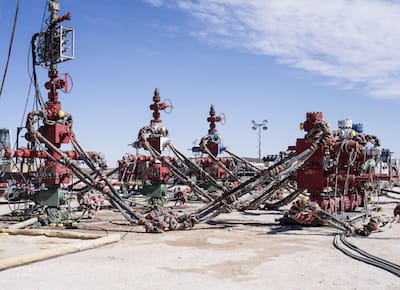
Companies
Articles examining the role of companies involved in hydraulic fracturing and the fossil fuel industry’s relationship to climate change. These documents explore corporate activity, investment, and public debate surrounding the expansion of the technology. Explore related scholarly research below ↓
2025
November (2025)

2013
January (2013)
Chesapeake Energy Flares Barnett Shale Gas Well in Trinity Trail

Reports documented Chesapeake Energy flaring natural gas at Barnett Shale wells — burning off excess production when pipeline capacity or market conditions limited transport. Flaring reduces immediate pressure but raises questions about waste, emissions, and infrastructure readiness during rapid expansion.
Source: YouTube (2009) Read MoreCW Sanders drives over the Barnett Shale during the boom in 2002
The Barnett Shale – the oldest producing well in the barnett shale is still producing from its primary pressure created by the frac job by Sanders and Son.
Source: YouTube (2010) Read MoreChevron Human Energy Stories | Addressing Climate Change

Jonathan McIntoshs’ Remix Video is a critical and transformative work that constitutes a Fair Use in accordance with Title 17 U.S.C. Section 107. Source footage from Chevron TV ads, US Army ad, BBC News, Future Weapons, CSI and several other short clips recorded off television.
Source: YouTube (2009) Read MoreEnCana Buries Hydraulic Fracturing Pit Sludge in Unlined Pit May 14, 2009
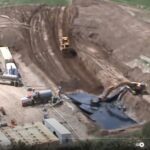
Twenty-three days after EnCana completed hydraulic fracturing operations on the F11E, the liner is removed, some of the sludge is pumped out and the remainder – perhaps 70 barrels or more – is dozed in.
Source: YouTube (2009) Read MoreHaynesville Shale Natural Gas Fracturing Job
Paul Bison: Nobody in the section, in the neighborhood is gonna ever benefit unless somebody lets ’em drill and when we leased three years ago, we knew what it was for, we took the money and now it’s time for somebody to step up to the plate and help em let it happen.
Source: YouTube (2008) Read MoreBJ Services
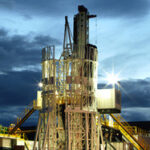
BJ Services was among the large companies investigated by the U.S. House Energy and Commerce Committee as lawmakers examined whether the gas extraction method known as hydraulic fracturing — or fracking — poses hazards to groundwater drinking supplies. The company provided hydraulic fracturing and pressure-pumping services during the shale boom, supplying equipment and crews to operators across major basins. As a service firm, BJ Services operated behind leaseholders, enabling the high-volume completions that transformed unconventional formations into commercial production.
Source: BJ Services (2010) Read MoreAtlas Energy, Inc.

Atlas Energy emerged as a key player in Marcellus development, negotiating leases and expanding operations during the boom’s early years. Corporate strategies, capital flows, and partnership structures reveal how shale moved from local experiment to financial enterprise.
Source: Atlas Energy Resources (2010) Read MoreAmerican Petroleum Institute
Critics and investigative reports have accused the American Petroleum Institute (API) of advancing climate change denial and working to block climate legislation in defense of its constituent interests. The organization serves as the principal trade association for the U.S. oil and gas industry, shaping regulatory advocacy and public messaging on behalf of member companies. API has defended hydraulic fracturing as safe when properly regulated and has opposed expanded federal oversight that could alter the industry’s operating framework, placing the trade group at the center of national energy policy battles.
Source: API (2010) Read MoreAmerican Association of Professional Landmen (AAPL)
The American Association of Professional Landmen represents the professionals who negotiate mineral leases and land agreements. In shale regions, landmen served as the first contact between drilling companies and property owners, shaping contract terms that would govern production and royalties for decades.
Source: America's Landmen (2010) Read MoreEncana Fracking Cake for Kids – A Look Underground

A recent company event provided an opportunity for one of our engineers to educate children about natural gas development. Parents and educators often ask us for industry material to use with this audience so we made this video in the spirit of creativity.
Source: YouTube (2010) Read MoreGasland Trailer 2010

Directed by Josh Fox. Winner of Special Jury Prize – Best US Documentary Feature – Sundance 2010. Screening at Cannes 2010. Nominated for 2011 Academy Award – Best Documentary Feature.
Source: YouTube (2010) Read MoreShell Oil Company
Shell USA, Inc. (formerly Shell Oil Company, Inc.) is the United States–based wholly owned subsidiary of Shell plc, a UK-based transnational corporation “oil major” which is among the largest oil companies in the world. It is reported that Royal Dutch Shell Plc agreed to buy closely held East Resources Inc., for about $5 billion.
Source: Wikipedia, the free encyclopedia (2010) Read More2011
December (2011)
South Africa Endorses Plans For Karoo Gas-Drill Freeze, Ending Shell Hopes
South Africa’s Cabinet endorsed the Department of Mineral Resources’ decision to declare a moratorium on natural-gas drilling in the Karoo region, halting plans by Royal Dutch Shell Plc (RDSA), Europe ’s largest oil company.
Source: Bloomberg.com (2011) Read MoreJune (2011)
The Case of Chevron

According to the EPA’s National Emission Inventory, Chevron was responsible for 4,030,422.95 pounds of green house gas emission pollution in Plaquemines Parish, Louisiana in 2002.
Source: Friends of the Earth (2008) Read MoreMay (2011)
As You Sow – Corporate Accountability, Shareholder Action, and ToxicsReduction

As You Sow, a shareholder advocacy organization, pressed ExxonMobil and Chevron to disclose the environmental and financial risks of hydraulic fracturing, winning significant investor support for resolutions demanding transparency. Nearly 30 percent of Exxon shareholders and over 40 percent of Chevron investors backed first-year proposals calling for studies of fracking’s impacts, signaling growing concern within mainstream financial markets over regulatory, public health, and reputational risks.
Source: As You Sow (2011) Read MoreFracFocus Chemical Disclosure Registry

Of all the lobbyists bringing their issues to Capitol Hill, the Groundwater Protection Council (archived) is one of the smaller players. I have to wonder, reading the rankings on Open Secrets, “Lobbying Spending Database: Environment, 2009”, why this groundwater organization spends less on its annual lobbying than “Fur Wraps the Hill” or the “Pittsburgh Parks Conservancy”? Groundwater is a hot button national issue, affecting both the urban and agricultural sectors.
Source: Frac Focus (2011) Read MoreCeres Principles – Corporate Environmental Conduct
Ceres: (pronounced “series”), is a national network of investors, environmental organizations and other public interest groups working with companies and investors to address sustainability challenges such as global climate change.
Source: Ceres | Investors and Environmentalists (2010) Read MoreBP Deepwater Horizon Committee Hears From Oil Industry Executives
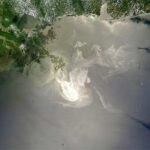
The Deepwater Horizon oil spill in the Gulf of Mexico as seen from space by NASA’s Terra satellite on May 24, 2010. The spill has yet to be contained and is the worst oil spill in US history.
Source: National Academy of Sciences | News (2010) Read MoreMarch (2011)
Lenape Resources, Inc.

Lenape Resources operated in upstate New York, exploring gas prospects amid a regulatory landscape that remained uncertain. Smaller operators often navigated tighter margins and local scrutiny, their ambitions tied closely to state permitting decisions.
Source: Lenape Resources, Inc. (2010) Read MoreThe Warriors of Qiugang: 仇岗卫士 A Chinese Village Fights Back

For years, a chemical plant in the Chinese village of Qiugang had polluted the river, poisoned the drinking water, and fouled the air — until residents decided to take a stand. The Warriors of Qiugang, a Yale Environment 360 video co-produced by Ruby Yang and Thomas Lennon, tells the story of the villagers’ determined efforts to stop the pollution.
Source: Yale Environment 360 (2011) Read MoreSchlumberger
Meet the oil world’s most secretive operator: Schlumberger. It’s ubiquitous in fossil fuel operations across the world, has more staff than Google, turns over more than Goldman Sachs, and is worth more than McDonald’s — yet you won’t have heard of it. Operating largely behind the public face of oil and gas producers, the company supplies the technical backbone of hydraulic fracturing across shale basins. State regulators have cited the firm for environmental violations in certain jurisdictions, including improper waste handling and permit noncompliance. Even the most expansive service companies accumulate a regulatory record as drilling scales.
Source: Schlumberger (2010) Read MoreFebruary (2011)
Industry responds to public take on hydraulic fracturing

The fate of bills before Congress related to regulation of hydraulic fracturing is critically important. Congress exempted hydraulic fracturing from regulation under the Safe Drinking Water Act in 2005, but a bill was introduced last summer to federally regulate hydraulic fracturing under the act.
Source: Hart Energy E & P (2010) Read MoreBP – For BP, a History of Spills and Safety Lapses

BP’s record of spills and safety failures, including high-profile disasters, shadowed broader energy debates. As shale expansion accelerated, past corporate missteps served as reminders that operational assurances and compliance histories do not always align. Reputation travels with infrastructure.
Source: The New York Times (2010) Read MoreBig Money Drives Up the Betting on the Marcellus Shale

As major investors and multinational firms entered the Marcellus Shale, lease prices and speculative capital surged. The influx of “big money” transformed local drilling into a high-stakes financial arena, where acreage valuation became as strategic as production rates.
Source: The New York Times | Climatewire (2010) Read MoreTriana Energy

Triana Energy operated in the Marcellus Shale during the boom’s early expansion, navigating leasing, drilling, and eventual acquisition in a fast-moving market. In a 2009 case in West Virginia, landowners who sold natural gas to Chesapeake and its predecessors — including Triana Energy, NiSource Inc., and Columbia Natural Resources — alleged they were cheated out of portions of their royalty payments. In shale’s rapid ascent, corporate timing and contract terms often moved just as quickly as the drilling rigs.
Source: Triana Energy (2010) Read MoreAnadarko Petroleum Corporation
Anadarko Petroleum operated across multiple basins, bringing scale and capital to unconventional resource development. As a multinational firm, its investment decisions tied local drilling to global energy markets. Corporate footprints often extend far beyond the communities where wells are drilled.
Source: Anadarko Petroleum Corporation (2010) Read MoreHalliburton
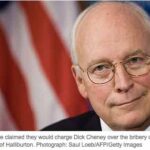
Halliburton, long associated with hydraulic fracturing technology, became synonymous with the so-called “Halliburton loophole” in the Energy Policy Act of 2005, which exempted most fracking from federal Safe Drinking Water Act oversight. As a global oilfield services leader, the company’s influence extends from well design to policy debate.
Source: Solutions for Today's Energy Challenges - Halliburton (2010) Read MoreMarcellus Shale Coalition
The Marcellus Shale Coalition emerged as the industry’s collective voice in Pennsylvania, promoting well-paying jobs, economic growth, regulatory consistency, and expanded development. Representing major operators and service firms, the coalition shaped public messaging and policy advocacy as drilling accelerated across the region. Critics argue that independent analyses have challenged some of the coalition’s economic claims and questioned whether projected benefits outweigh environmental and climate risks — debates that continue to shape responsible energy policy.
Source: Marcellus Shale Coalition (2010) Read MoreNatural gas: the commodity world’s ugly duckling

“Natural gas is the ugly duckling of the commodities,” said Ben Smith, president of First Enercast Financial, an information vendor serving energy markets.
Source: Marketwatch | Commodities Corner (2011) Read MoreJanuary (2011)
Encana
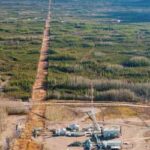
Encana expanded aggressively into U.S. shale plays, positioning itself as a major unconventional producer across multiple basins. As drilling scaled, the company became part of the broader debate over groundwater safety, emissions, and regulatory oversight that accompanied high-volume hydraulic fracturing.
Source: Encana (2010) Read MoreFrac Tech: Stage After Stage
Frac Tech provided multi-stage fracturing services, enabling operators to fracture horizontal wells section by section — “stage after stage.” The technical refinement of staged fracturing turned shale from theory into scalable production. Innovation in sequencing proved as important as drilling depth.
Source: Frac Tech: Stage After Stage (2010) Read MoreA Fracking First in Pennsylvania: Cattle Quarantine

In a striking case reported by ProPublica, cattle in Pennsylvania were quarantined after exposure to drilling wastewater. The incident brought agricultural risk into the shale narrative, linking industrial operations with livestock health. When farms enter the story, extraction feels less remote and more immediate.
Source: ProPublica (2010) Read MoreEast Resources

East Resources expanded rapidly in the Marcellus before selling major holdings in a multibillion-dollar transaction. The sale underscored how shale acreage could be aggregated and monetized quickly, turning regional drilling plays into national financial events.
Source: East Resources (2010) Read MoreSuperior Well Services – Products – Fracturing Systems
Superior Well Services supplied fracturing equipment and services that enable high-pressure injection into shale formations. The technical apparatus — pumps, sand, chemical blends — forms the industrial core of hydraulic fracturing. Behind every well is a logistics network measured in trucks and tons.
Source: Superior Well Services - Products - Fracturing Systems (2010) Read MoreConoco Phillips Remediation

ConocoPhillips, one of the world’s largest energy companies, has faced remediation obligations tied to environmental impacts in various jurisdictions. Cleanup efforts, consent decrees, and negotiated settlements form part of the lifecycle of extraction. Production may be the headline; remediation is the longer ledger.
Source: Conoco Phillips (2010) Read MoreEnergy in Depth

Energy in Depth continued to advocate for hydraulic fracturing through media outreach and rapid-response commentary, positioning itself as a counterweight to environmental criticism. In the shale era, narrative strategy became as organized as drilling logistics.
Source: Energy in Depth (2010) Read More2010
December (2010)
Sanjel Corporation

Sanjel Corporation was among the companies the U.S. House Committee on Energy and Commerce investigated for potential environmental impacts related to hydraulic fracturing. The firm provides cementing and fracturing services across North American shale basins, supporting well completion at high pressure and high volume. As a service company, Sanjel forms part of the operational backbone of unconventional drilling — translating lease rights into functioning wells through specialized crews and equipment.
Source: Sanjel Corporation :: A Specialized Energy Service Company (2010) Read MoreRange Resources

Range Resources was among the early movers in developing the Marcellus Shale, helping demonstrate the viability of large-scale horizontal drilling in Pennsylvania. As production expanded, the company became both a symbol of shale’s promise and a participant in disputes over water contamination and oversight.
Source: Range Resources (2010) Read MoreNorse Energy Corporation
Norse Energy pursued drilling opportunities in New York’s portion of the Marcellus Shale during a period of regulatory uncertainty. As the state debated whether to permit high-volume fracturing, companies like Norse positioned themselves in anticipation of a potential green light — timing their strategy to political outcome.
Source: Norse Energy Corporation (2010) Read MoreExxon Confronts Nuns, Calpers Over Global Warming Plans, Boskin
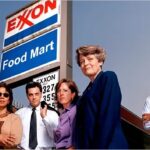
Exxon confronted shareholder resolutions from Catholic nuns and the California Public Employees’ Retirement System (CalPERS) over climate disclosure and long-term strategy. The religious orders argued that the company’s global warming plans failed to account for environmental and moral risk, while CalPERS — one of the nation’s largest public pension funds — framed climate exposure as a material financial concern. The pressure signaled a shift: climate risk had moved from protest lines into boardrooms and proxy votes.
Source: Bloomberg.com (2007) Read MoreCabot Oil & Gas

Cabot Oil & Gas became one of the most visible operators in Pennsylvania’s Marcellus region, praised for production gains and scrutinized over contamination allegations. The company’s trajectory illustrates the dual narrative of the shale era: rapid growth paired with persistent environmental dispute.
Source: Cabot Oil & Gas (2010) Read MoreArdent Resources, Inc.
Ardent Resources pursued exploration and development opportunities in shale plays during a period of aggressive lease acquisition. Smaller firms like Ardent often entered early, positioning acreage before consolidation and capital restructuring reshaped the field.
Source: Ardent Resources, Inc. (2010) Read MoreNovember (2010)
Chesapeake Energy – Natural Gas: Fueling America’s Future

Chesapeake Energy became one of the most aggressive leaseholders in the shale era, promoting natural gas as a bridge fuel for American energy independence. Its rapid expansion, bold leadership, and financial leverage made it both a driver of the boom and a case study in volatility.
Source: Chesapeake Energy - America's Champion of Natural Gas (2010) Read MoreCONSOL Energy

CNX Gas, a subsidiary of CONSOL Energy, is one of the largest natural gas producers in the Appalachian Basin. In 2010, CONSOL significantly expanded its footprint by purchasing Dominion’s Exploration and Production business for $3.475 billion, adding 1.46 million acres and more than 9,000 producing wells, including substantial holdings in the Marcellus Shale. The acquisition positioned CONSOL as a dominant player in Appalachian gas development and strengthened its leadership in the rapidly growing Marcellus region.
Source: CONSOL Energy (2010) Read MoreBP Deal to Expand US Shale-Gas Operations

BP struck deals to expand its footprint in U.S. shale-gas operations, signaling that multinational oil majors saw unconventional gas as a strategic growth sector. Large-scale investment by global firms reframed shale from regional experiment to cornerstone of long-term portfolio strategy.
Source: Rigzone | Dow Jones Newswire (2010) Read MoreAmerica’s Natural Gas Alliance

The American Natural Gas Alliance responds with a polished PR rebuttal, arguing that Gasland distorts facts and fuels fear. While claiming to champion factual debate, the video restricts comments and disables ratings, intensifying questions about transparency in industry messaging.
Source: America's Natural Gas Alliance (2011) Read MoreOctober (2010)
Natural Capitalism: The Next Industrial Revolution
Natural Capitalism by Paul Hawken and Amory and Hunter Lovins argues that businesses can align profitability with ecological responsibility by valuing natural resources as essential capital. The authors propose applying market principles to environmental systems, showing that energy efficiency, resource conservation, and whole-systems thinking can drive innovation and long-term prosperity. First published a decade earlier, the book challenged conventional economics by demonstrating that environmental stewardship and competitive business success are not opposing goals but mutually reinforcing strategies.
Source: Earthscan (2010) Read MoreSeptember (2010)
Gas Drillers Plead Guilty to Felony Dumping Violations

Two operators associated with Swamp Angel Energy pleaded guilty to felony violations of the Safe Drinking Water Act after unlawfully injecting 200,000 gallons of brine into an abandoned well near the Allegheny National Forest. The case marked a rare instance of criminal enforcement in the fracking boom, underscoring concerns that routine fines often failed to deter serious contamination risks linked to oil and gas wastewater disposal.
Source: ProPublica (2010) Read More
August (2010)
Cabot Oil & Gas’s Marcellus Drilling to Slow After PA Environment Officials Order Wells Closed
Cabot Oil & Gas signaled plans to slow Marcellus drilling activity amid market pressures and regulatory scrutiny. Production decisions reflect more than geology — they respond to commodity prices, infrastructure constraints, and public controversy. Even major operators adjust course when conditions shift.
Source: ProPublica (2010) Read MoreDominion

Dominion, a major energy infrastructure company, played a central role in transporting and processing natural gas through pipelines and storage systems. Extraction is only the first stage; without midstream infrastructure, production cannot reach markets. Pipelines redraw landscapes as surely as well pads.
Source: Dominion (2010) Read MoreCovalent Energy

Covalent Energy operated as a smaller-scale developer in the unconventional gas space, navigating leasing, financing, and drilling logistics. Independent firms often act as explorers and consolidators before larger players enter.
Source: Covalent Energy (2010) Read MoreCalFrac Well Services
CalFrac Well Services supplied hydraulic fracturing crews and equipment, providing the technical muscle behind well completion. Service companies like CalFrac operate largely out of public view, yet their fleets of trucks and high-pressure pumps are the operational core of the shale revolution.
Source: Hydraulic Fracturing, Coiled Tubing, Acidizing, Nitrogen and C02 Services (2010) Read MoreBarnett Shale Energy Education Council (BSEEC)
The Barnett Shale Energy Education Council positioned itself as a source of public information about drilling in North Texas, promoting economic benefits and regulatory compliance. Critics viewed the council as industry-aligned messaging during a period of mounting air quality and health concerns. In boom regions, education and advocacy often blur.
Source: Barnett Shale Energy Education Council (2010) Read MoreExxon, XTO Probably Won’t Face U.S. Fracturing Rules, FBR Says – Bloomberg.com

Following ExxonMobil’s acquisition of XTO Energy, analysts suggested the merged giant was unlikely to face sweeping new federal restrictions on hydraulic fracturing. The deal signaled that shale had moved from regional gamble to global asset class. When a supermajor commits billions, regulatory bets are embedded in the transaction.
Source: Bloomberg.com (2010) Read MoreExxon-Xto Deal Forces Congress to Reconsider Natural Gas

Rex Tillerson — a former tuba player in the University of Texas Longhorn Band who once supplied the band’s bottom register — would later rise to become ExxonMobil’s CEO. In global energy markets, he built a reputation as a disciplined negotiator, forging high-level relationships including with Russian President Vladimir Putin and the Kremlin. When Exxon moved to acquire XTO Energy, doubling down on U.S. shale, the scale of the bet drew renewed congressional attention to natural gas policy and market concentration. When a supermajor commits billions, energy independence narratives and oversight frameworks shift with it. Scale reshapes politics.
Source: The New York Times : Climatewire (2010) Read MoreUniversal Well Services, Inc.
Universal Well Services provided hydraulic fracturing crews and high-pressure pumping equipment, operating largely behind the scenes of the shale boom. Service companies supply the industrial horsepower that makes unconventional drilling possible, translating geology into production through logistics and scale. Critics argue that the extraction method itself — hydraulic fracturing, or fracking — poses hazards to groundwater drinking supplies, placing technical capacity and environmental risk in direct conversation.
Source: Universal Well Services (2010) Read MoreU.S. Energy Development Corporation

U.S. Energy Development Corporation pursued upstream drilling opportunities across shale basins, aggregating leases and capitalizing on unconventional resource plays. In Meadville, Pennsylvania, the Department of Environmental Protection issued a cease-and-desist order to the Getzville, New York–based firm, citing persistent and repeated violations of environmental laws and regulations.
Source: U.S. Energy Development Corporation | Strive for Excellence (2010) Read MoreTennessee Gas Pipeline
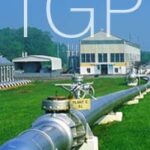
The Tennessee Gas Pipeline system connects production fields to distant markets, underscoring that extraction is only part of the equation. Pipelines determine where gas flows — and which communities host compressor stations and right-of-way corridors. Infrastructure redraws maps.
Source: Tennessee Gas Pipeline (2010) Read MoreStatoil

Norway’s Statoil — majority-owned by the Norwegian state — expanded into U.S. shale during the boom, pairing offshore expertise with unconventional gas plays in formations like the Marcellus and Bakken. Backed by sovereign capital and a global portfolio, the company entered American drilling amid ongoing scientific and regulatory examination of whether the gas extraction method known as hydraulic fracturing — or fracking — poses hazards to groundwater drinking supplies. As development scaled, the groundwater question remained central to public debate.
Source: Statoil – a leading energy company in oil and gas production (2010) Read MoreOil150, 1859-2009: Celebrating the Story- Progress from Petroleum
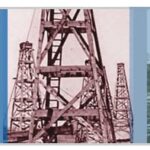
The Oil150 program marked 150 years since the first commercial oil well was drilled in Pennsylvania in 1859. Celebratory events traced the arc from Titusville’s wooden derricks to modern shale pads. The commemoration linked historic petroleum origins to contemporary extraction — a reminder that today’s boom rests on a century-and-a-half industrial lineage. Yet alongside celebration, critics point to documented cases of regulatory lapses and community health concerns tied to contaminated drinking water and air pollution in drilling regions.
Source: Oil150, 1859-2009: Celebrating the Story- Progress from Petroleum (2010) Read MoreTalisman Energy USA Inc. – Home

Talisman Energy entered U.S. shale plays with significant lease acquisitions, positioning itself in Pennsylvania’s Marcellus region. As with many international firms, the American shale surge represented both opportunity and exposure to U.S. regulatory and community scrutiny.
Source: Talisman Energy USA Inc. (2010) Read MoreExxon Mobil Corporation

ExxonMobil, one of the world’s largest publicly traded energy companies, expanded its unconventional portfolio through major acquisitions and strategic positioning in shale basins. With global capital and political influence, Exxon’s moves reverberate beyond individual wells. When Exxon commits, markets, lawmakers, and competitors take notice.
Source: Exxon Mobil Corporation (2010) Read MoreAmerican Association of Petroleum Geologists
The American Association of Petroleum Geologists represents industry geoscientists, advancing research and technical understanding of subsurface formations. In the shale era, geological expertise underpinned claims of recoverable reserves and production potential, translating rock science into economic narrative.
Source: American Association of Petroleum Geologists (2010) Read MoreEnergy in Depth – SourceWatch

Energy in Depth, an industry-backed initiative, promoted hydraulic fracturing as economically and environmentally responsible. Watchdog groups such as SourceWatch have examined the project’s funding and messaging, framing it as part of a coordinated public-relations strategy within the shale debate.
Source: SourceWatch (2010) Read MoreChief Oil & Gas
Chief Oil & Gas became a significant leaseholder in Pennsylvania’s Marcellus Shale, operating as a privately held company with extensive acreage positions. Independent operators like Chief helped seed development before larger corporate consolidation accelerated.
Source: Chief Oil & Gas (2010) Read MoreEOG Resources

EOG Resources emerged as a leading unconventional oil and gas producer, refining horizontal drilling and completion techniques across multiple basins. Technical innovation and capital discipline positioned EOG as one of shale’s major success stories — while still operating within evolving regulatory oversight.
Source: EOG Resources (2010) Read MoreIndustry actors involved in hydraulic fracturing. Interested in exploring the research behind these topics? The link below searches scholarly publications discussing oil and gas companies, hydraulic fracturing, and climate change. These results include academic papers, books, and reports along with citation information and connections to related research.