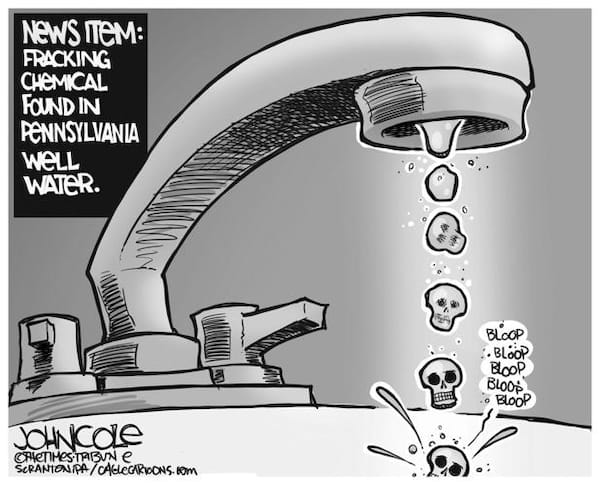
Opinion

Opinion

Articles presenting opinion, commentary, and interpretive analysis related to hydraulic fracturing and climate change. These documents reflect how writers, advocates, and public commentators have interpreted the environmental, political, and social implications of the issue. Explore related scholarly research below ↓

104 documents

2013

January (2013)

Loud and Clear | Rich Pricks and Poor Schmucks

Loud and Clear | Rich Pricks and Poor Schmucks

You saw it on ‘Earth To America!’, now see it here. An Inconvenient Truth? The Blue Man Group really gets the message across loud and clear with this great video. Can you hear?

Source: YouTube | Earth to America (2006) Read More
Train

Train

A television commercial about global warming from Environmental Defense and the Ad Council. 11 Apr 2007.

Source: YouTube (2006) Read More

Don’t Give Up

Don't Give Up

A dark, moody animation that children may not like to watch. A monkey, polar bear and kangaroo kill themselves because their world is ruined. TV Spot created by McCann Erickson Portugal.

Source: YouTube (2008) Read More

Polar Bears

Polar Bears

Public service announcement (PSAs) designed to urge Americans to take advantage of mass transit, carpooling and biking to combat global warming.

Source: YouTube (2008) Read More
DEC Fracks NYC & Josh Fox of Water Under Attack’s Responds

DEC Fracks NYC & Josh Fox of Water Under Attack's Responds

Filmmaker Josh Fox of WaterUnderAttack.Com shows America how to speak truth to power, and leads us in the required revolution. “I know this is a farce, ” he tells DEC at the public hearing they are required to do before shoving this crap down our throats. “You didn’t listen to us before and you probably won’t listen to us again. But we are willing to engage in civil disobedience.”

Source: YouTube (2009) Read More
Dimock Natural Gas Drilling

Dimock Natural Gas Drilling

Natural gas drilling in the Marcellus Shale Formation is threatening our health, and our water quality. Local resident gives her account of drilling in her community.

Source: YouTube (2009) Read More
Big Boys in Tulsa

Big Boys in Tulsa

Discussion at an imaginary natural gas exploration and production company headquarters. Video used the XtraNormal media plugin and is no longer available.

Source: xtranormal (2010) Read More

Beware The Green Dragon! | Right Wing Watch

Beware The Green Dragon! | Right Wing Watch

Beware The Green Dragon! | Right Wing Watch seeks to expose how the “radical environmental” environmental movement is out to control the world and destroy Christianity.

Source: People for the American Way | Right Wing Watch (2010) Read More

Deep Down | Film on Mountaintop Mining | PBS

Deep Down | Film on Mountaintop Mining | PBS

Beverly May and Terry Ratliff grew up like kin on opposite sides of a mountain ridge in eastern Kentucky. Now in their fifties, the two find themselves in the midst of a debate dividing their community and the world: who controls, consumes, and benefits from our planet’s shrinking supply of natural resources?

Source: Independent Lens | PBS (2010) Read More

Myth Busting | The Marcellus: An American Travesty

Myth Busting | The Marcellus: An American Travesty

MarcellusProtest.org served as an information hub for grassroots opposition to shale gas drilling in Pennsylvania and beyond. Emerging from local demonstrations, the movement connected activists, events, and resources across the Marcellus region while critiquing industry narratives. Participants later formed coalitions such as Protect Our Parks to resist drilling in public lands. The site documented how regional organizing built enduring activist networks that continued influencing environmental campaigns long after initial protests concluded.

Source: YouTube | "The Marcellus: An American Renewal" (2010) Read More
Welcome to Mr. Rogers Neighborhood

Welcome to Mr. Rogers Neighborhood

Kentucky ranks dead last in healthy behavior (archived), and 49th in overall well-being, ..More mountaintop removal will only make these problems with the health of Appalachian people even worse. Its hard to get worse than worst, but Hal Rogers is doing his darndest.


Source: Appalachian Voices (2011) Read More

2012

September (2012)

Bluedaze – Drilling Reform for Texas

Bluedaze - Drilling Reform for Texas

Bluedaze pushed for stronger oversight of oil and gas operations in Texas, challenging regulators and exposing gaps in enforcement. Through citizen monitoring and public reporting, the platform argued that reform required transparency — and that reform rarely arrives without pressure.

Source: Bluedaze (2009) Read More

May (2012)

Montana Environmental Information Center (MEIC)

Montana Environmental Information Center (MEIC)

The Montana Environmental Information Center has long tracked energy development across the state — from coal to gas to emerging extraction fronts. Through litigation, research, and public campaigns, MEIC challenges permits and monitors regulators. In a region where drilling often unfolds far from urban centers, the group acts as watchdog — translating technical filings into something citizens can fight over.

Source: Montana Environmental Information Center (MEIC) (2010) Read More

2011

June (2011)

Gas drilling figures are downright scary

Gas drilling figures are downright scary

Whether you are for it or against it, hydrofracking will significantly alter our way of life, and it’s possible that Gov. Andrew Cuomo will make the decision to the end the current moratorium on June 1. Write or phone — tell him no.

Source: Auburn pub.com (2011) Read More

May (2011)

Frack Check WV (West Virginia)

Frack Check WV (West Virginia)

FrackCheckWV.net was created as a platform for educating citizens about the environmental impacts of hydraulic fracturing and providing tools and guidance for effective citizen action and advocacy.

Source: Frack Check WV (2010) Read More

Peabody coal company threatens to sue over getting punked

Peabody coal company threatens to sue over getting punked

Change.org, the website that allows users to create petitions for social change, received a legal threat from Peabody Energy after Coal Kills Kids (CKK) — a group that partnered with the Yes Men to unveil a faux Peabody charity initiative earlier this week (archived) — continued the hoax with a mock petition.

Source: San Francisco Bay Guardian Online (SFBG) (2011) Read More

New York Residents Against Drilling (NYRAD)

New York Residents Against Drilling (NYRAD)

NYRAD organized statewide resistance to high-volume hydraulic fracturing, rallying residents concerned about water, health, and rural character. Through protests, teach-ins, and policy advocacy, the group turned a regulatory decision into a grassroots movement. As Albany deliberated, public pressure intensified.

Source: New York Residents Against Drilling (NYRAD) (2010) Read More

Hydrofracking in New York State: Poll Shows No Consensus

Hydrofracking in New York State: Poll Shows No Consensus

According to this NY1/YNN-Marist Poll, New Yorkers divide on the issue. 41% oppose hydrofracking while 38% support it. A notable 21% are unsure. Similar proportions of registered voters statewide share these views.

Source: Home of the Marist Poll: Pebbles and Pundits (2011) Read More

Fracking Canada

Fracking Canada

Stop Fracking Ontario is a web project to inform and promote activism against fracking in Ontario, in the surrounding region, and elsewhere.

Source: Fracking Canada (2011) Read More

Drill, Baby, Drill!: The chant of the political naif

Drill

Numerous complainants petitioned the USA government to get the EPA to review the earlier decision on hydraulic fracking. One of them, from Neil Zusman, Ithaca, NY, is particularly poignant: I have read widely on this topic and it is of personal interest to me. I am not a scientist. I observe the events along the historical timeline that includes civil rights, anti-war protest, and the environmental movement….

Source: Magiric (2011) Read More

Fracking the Karoo – The People Say No!

Fracking the Karoo - The People Say No!

“Do you know what fracking the Karoo is like?” demanded Esme Senekal of Somerset East. The people from Royal Dutch Shell and their consultants didn’t reply, their faces impassive. “It’s like you coming and drilling holes in our mother, and then leaving us to look after her and take her to hospital. Leave the Karoo alone!

Source: Fracking the Karoo - The People Say No! (2011) Read More

Frack off, Shell!

Frack off

On Friday 25 March, environmental activist Lewis Pugh delivered a passionate call to action at a public lecture in Cape Town. He implored South Africans to stand up for our rights – particularly the right to water, and the right to a healthy environment – and take on corporate bullies like Shell. If you care about the Karoo, if you care about our country, keep reading…

Source: The Daily Maverick (2011) Read More

April (2011)

Meet the Gas Geezers

Meet the Gas Geezers

T. Boone Pickens has somehow managed to sell President Obama and an astonishing number of Congress members on the myth that nat-gas is a homegrown wonder fuel.

Source: Counterpunch (2011) Read More

The Marcellus Effect

The Marcellus Effect

“The Marcellus Effect” captured the ripple of drilling through Pennsylvania and beyond — from lease auctions to pipeline corridors to community tension. Supporters highlighted tax revenue and employment. Opponents documented environmental complaints and infrastructure strain. The effect was economic, political, and deeply local.

Source: Marcellus Effect (2016) Read More
Powder River Basin Resource Council

Powder River Basin Resource Council

The Powder River Basin Resource Council represents ranchers, landowners, and rural residents navigating coalbed methane and gas development. Members negotiate surface use agreements, challenge permits, and push for stronger reclamation standards. For families whose livelihoods depend on land and water, the council offers leverage in conversations often dominated by energy firms with national reach.

Source: Powder River Basin Resource Council (2010) Read More
March (2011)

Perryman Group, Texas

Perryman Group

The Perryman Group released economic impact studies projecting job growth and billions in revenue from shale development in Texas. Industry advocates cited the reports as evidence of transformative potential. Critics scrutinized assumptions behind the forecasts. In boom regions, dueling spreadsheets became weapons in the public debate.

Source: The Perryman Group (2007) Read More

Marcellus Shale Protest

Marcellus Shale Protest

On November 3, 2010, more than 500 demonstrators gathered in Pittsburgh to protest the Developing Unconventional Gas (DUG) East Conference, where industry leaders—including keynote speaker Karl Rove—met to discuss shale gas development. Activists from Pennsylvania and neighboring states marched to the David Lawrence Convention Center calling for a moratorium on drilling and raising concerns about health, water safety, and environmental impacts linked to Marcellus Shale gas extraction. MarcellusProtest.org, a project of the Center for Coalfield Justice, served as an information hub for organizing, events, and regional activism across shale-impacted communities.

Source: Marcellus Shale Protest | No Frackng Way (2010) Read More

Clifford Krauss: propagandist par excellence

Clifford Krauss: propagandist par excellence

I especially enjoyed his reporting on how some environmentalists are for gas drilling despite the inflammatory water faucets and cancer clusters: You don’t have to be working at FAIR to ask the question which environmentalists ? -Louis Proyect.

Source: Louis Proyect: The Unrepentant Marxist (2010) Read More
iLoveMountains

iLoveMountains

Organization web site features a widget that shows how you are connected to mountaintop removal where you live.

Source: iLoveMountains.org -- End Mountaintop Removal Coal Mining (2011) Read More

Gasland vs Big Oil and Gas

Gasland vs Big Oil and Gas

This works because people that see this movie are touched. They are touched because they have been directly affected by hydraulic fracturing or they want to be a voice for those that have been and don’t want to become a silent statistic as well.

Source: Lovesocial Communications (2011) Read More
Black Warrior Riverkeeper

Black Warrior Riverkeeper

Black Warrior Riverkeeper’s mission is to protect and restore the Black Warrior River and its tributaries. The Black River Watershed in Alabama provides water to over a million people.

Source: Black Warrior Riverkeeper (2003) Read More

Vincent Alabama Confidential

Vincent Alabama Confidential

Vincent Alabama Confidential, an Alabama-based blog by Max Shelby, covers environmental justice, political corruption, and corporate accountability. The site highlights issues such as environmental racism, regulatory failures, and the intersection of industry and state politics. Drawing on investigative links and commentary, Shelby argues that vulnerable communities often bear disproportionate environmental burdens, and calls for transparency, reform, and citizen engagement in addressing systemic inequities.

Source: Vincent Alabama Confidential (2011) Read More
February (2011)

What The Frack? Gas Industry’s Multimillion-Dollar Campaign Demonizes Hydraulic Fracturing Bill

What The Frack? Gas Industry’s Multimillion-Dollar Campaign Demonizes Hydraulic Fracturing Bill

As opposition mounted, gas companies launched multimillion-dollar public relations campaigns promoting shale as economic salvation and energy independence. Slick ads and sponsored studies emphasized jobs and lower prices. Critics countered with air samples and water tests. The messaging battle revealed a deeper reality: billions were at stake, and public perception mattered almost as much as geology.

Source: The Wonk Room (2009) Read More
BARDs “Big Mule” Drummond Coal Sued–Part II

BARDs "Big Mule" Drummond Coal Sued--Part II

On Martin Luther King Day (MLK Day Jan. 17, 2011), America deserves to be reminded that hard on the trail of King’s Civil Rights legacy in Alabama is the way Alabama’s poor have been victimized by negligent environmental law. The daily posts of Max Shelby and his group, blogging in Alabama about the environment, politics, big business and corruption, are some of the boldest independent voices writing in the U.S. on environmental justice today.

Source: Vincent Alabama Confidential (2010) Read More

H2Oil: An Explanation of the Tar Sands in Alberta

H2Oil: An Explanation of the Tar Sands in Alberta

The documentary H2Oil examines the environmental consequences of Alberta’s tar sands extraction. The film highlights the water-intensive process of oil sands production, the creation of tailings ponds containing toxic byproducts, and downstream health concerns reported by Indigenous communities. It situates oil sands development within broader debates over resource extraction, freshwater scarcity, public health, and regulatory oversight.

Source: Futurism Now (2010) Read More

Switchboard, from NRDC :: Amy Mall’s Blog :: Tags: hydraulicfracturing

Switchboard

On NRDC’s Switchboard, Amy Mall tracked the fast-moving terrain of shale development — regulatory shifts, industry claims, emerging science. From Washington rulemaking to on-the-ground drilling impacts, the blog translated policy fights into plain stakes. As the gas boom expanded, so did the need for real-time scrutiny. Switchboard became a running ledger of what regulators proposed — and what communities stood to lose or gain.

Source: Switchboard, from NRDC :: Amy Mall's Blog (2010) Read More

un-naturalgas.org

un-naturalgas.org

Un-naturalgas.org positioned itself as a clearinghouse for research challenging industry claims about hydraulic fracturing. The site compiled studies, regulatory filings, and firsthand accounts, arguing that the “natural” branding masked complex industrial processes. As marketing campaigns framed shale as clean and inevitable, critics built digital repositories to counter the narrative.

Source: un-naturalgas.org (2009) Read More

How Should We Do the Mountain?: Who the heck is Calvin Tilman?

How Should We Do the Mountain?: Who the heck is Calvin Tilman?

On a grassroots blog asking “How should we do the mountain?”, writers wrestled with development pressure in vulnerable terrain. Beneath the rhetoric lay a real tension: economic opportunity versus irreversible landscape change. Mountains are not abstractions — they hold water, wildlife corridors, tourism economies. When extraction proposals arrive, communities must decide whether “doing” the mountain means drilling it.

Source: How Should We Do the Mountain? (2010) Read More

Splashdown!

Splashdown!

“Splashdown!” chronicled moments when drilling runoff, wastewater disputes, or regulatory failures collided visibly with water systems. Whether metaphorical or literal, the title captured the fear that contamination travels downhill. In boom regions, disposal sites and treatment facilities multiplied. The concern wasn’t theoretical chemistry — it was whether what went into holding ponds might eventually reach rivers.

Source: Splashdown! (2010) Read More

January (2011)

What happened to climate change?

What happened to climate change?

One of the most glaring omissions during Obama’s State of the Union address was the acknowledgement of climate change. As the Senate and House return to Capitol Hill both sides are gearing up to attack the existing tool in place to address greenhouse gases – the Clean Air Act…

Source: EnergyVox | Citizen Energy (2011) Read More

Molly Ivins: Keeping Our Eyes on the Ball

Molly Ivins: Keeping Our Eyes on the Ball

Journalist Molly Ivins combined sharp political critique with Texas humor in her 2006 column urging voters to stay engaged during a turbulent election season. She condemned partisan attacks, voter suppression, and what she saw as ethical and policy failures of the Bush administration. Reminding readers that democracy depends on participation, Ivins called for vigilance, fairness, and civic courage—insisting that politics belongs to the people, not merely those in power.

Source: truthdig.com (2006) Read More

Fracked: Barnett Shale drilling chemicals found in blood and organs

Fracked: Barnett Shale drilling chemicals found in blood and organs

A Daily Kos report highlighted the case of Texas residents diagnosed with drilling chemicals in their blood and organs, prompting urgent health warnings and relocation. The story drew attention to emissions from oil and gas development and the availability of control technologies that could significantly reduce pollution if mandated. The article connected personal health concerns to broader regulatory debates, including calls to support the FRAC Act and strengthen protections under the Safe Drinking Water Act. It framed shale gas expansion as a public health issue extending beyond any single region.

Source: Daily Kos (2010) Read More

Greers Ferry Lake Natural Gas Watch

Greers Ferry Lake Natural Gas Watch

Max Brantley highlights concerns raised by the Greers Ferry Lake Natural Gas Watch about the risks fracking poses to local water resources, including Greers Ferry Lake and the Lake Maumelle watershed. The post critiques political responses to pipeline spills and questions the transparency of Arkansas’s Rule B19, which purported to require full disclosure of fracking chemicals. Critics argue the rule amounts to a “magic trick,” allowing industry to appear accountable without meaningful disclosure.

Source: Facebook | Greers Ferry Lake Natural Gas Watch (2010) Read More

Spectra Energy Watch

Spectra Energy Watch

Pennsylvania based blog covering many of the economic and ethical impacts of gas drilling for the people who are living with it.

Source: Spectra Energy Watch (2010) Read More

Environmental Dangers of Hydro-Fracturing

Environmental Dangers of Hydro-Fracturing

Bob Myers, an avid hiker, in Lock Haven, Pa., has become concerned that state forests are being freely leased to drilling firms, leading to clear-cutting of forests, sludge pits and risks of accidents.

Source: Lock Haven University (2010) Read More

2010

December (2010)

Gas Wells Are Not Our Friends | Endless Mountains Visitors Guide: New Attraction in PA – Visit a Well Pad

Gas Wells Are Not Our Friends  |  Endless Mountains Visitors Guide: New Attraction in PA - Visit a Well Pad

In Pennsylvania’s Endless Mountains, critics pushed back against industry messaging that framed drilling as neighborly partnership. Rigs, compressor stations, and heavy truck traffic altered rural rhythms. Supporters pointed to royalties and tax revenue. Opponents saw landscapes carved by access roads and pipelines. The slogan made the divide explicit.

Source: Gas Wells Are Not Our Friends (2010) Read More

Shaleshock

Shaleshock

Shaleshock captures the upheaval unleashed by rapid shale development — economic spikes, social strain, environmental uncertainty. As drilling rigs multiply, communities wrestle with boomtown dynamics: housing shortages, infrastructure stress, divided neighbors. The shock isn’t only geological. It’s civic. The ground may hold gas, but the surface holds consequences.

Source: Shaleshock (2010) Read More

Marcellus Accountability Project (MAP)–Tompkins – News & Events

Marcellus Accountability Project (MAP)–Tompkins - News & Events

In Tompkins County, the Marcellus Accountability Project tracked permits, leases, and policy shifts tied to the Marcellus Shale. Local activists parsed dense filings and surfaced questions about health, zoning, and infrastructure strain. As landmen canvassed neighborhoods and lease bonuses circulated, MAP focused on accountability — asking who benefits, who bears risk, and who decides.

Source: MAP - Tompkins (2010) Read More

Protect the Endless Mountains of Northeastern PA

Protect the Endless Mountains of Northeastern PA

In Pennsylvania’s Endless Mountains region, conservation advocates warned that shale development could fracture more than rock formations. Forest corridors, streams, and tourism economies stood at risk. For residents who prized quiet landscapes, the debate wasn’t anti-progress — it was about whether some places should remain intact.

Source: Protect the Endless Mountains of Northeastern PA (2010) Read More

Republicans for Environmental Protection (REP America)

Republicans for Environmental Protection (REP America)

Republicans for Environmental Protection challenged the idea that conservation belonged to one party. As shale politics hardened along partisan lines, REP argued for water safeguards and responsible oversight grounded in stewardship, not ideology. Their presence complicated the narrative: support for environmental protection did not neatly map onto party identity — even in energy-producing states.

Source: Republicans for Environmental Protection (2010) Read More

WATER | Clean Water Action

WATER | Clean Water Action

Clean Water Action mobilized members across states where shale development surged, pressing for tighter wastewater standards and federal oversight. With decades of experience battling industrial pollution, the organization turned its attention to hydraulic fracturing and disposal practices. As court rulings narrowed Clean Water Act protections, advocates argued that enforcement gaps could widen just as drilling intensified.

Source: Clean Water Action (2010) Read More

November (2010)

WATER | Aurora Lights. Public Health & Coal Slurry – Water Quality ::: Journey Up Coal River

WATER | Aurora Lights. Public Health & Coal Slurry - Water Quality ::: Journey Up Coal River

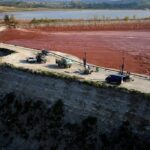
In Appalachia, coal slurry impoundments loomed over communities — vast ponds of mining waste held back by earthen dams. Public health advocates warned of contamination risks and catastrophic failure. As energy extraction intensified across sectors, the conversation widened: shale gas wasn’t the first industry to promise prosperity while leaving water questions unresolved.

Source: Aurora Lights (2010) Read More

No Frack Mountain

No Frack Mountain

Pennsylvania based blog. Includes a quotes page unique to blogs on the environment, highlighting the struggle between citizens, corporations, and government regulations, providing a larger historical context.

Source: No Frack Mountain (2010) Read More

Western Organization of Resource Councils (WORC)

Western Organization of Resource Councils (WORC)

Western Organization of Resource Councils is a regional network of seven grassroots community organizations that include 10,000 members and 45 local chapters. WORC helps its member groups succeed by providing training and coordinating issue work.

Source: Western Organization of Resource Councils (WORC) (2010) Read More

Gasland: Drilling Isn’t Safe

Gasland: Drilling Isn't Safe

The advocacy site DrillingIsntSafe.org argues that hydraulic fracturing poses documented risks of drinking water contamination, air pollution, and chemical exposure, citing the 2010 documentary Gasland by Josh Fox as a catalyst for national awareness. The site critiques Energy in Depth—funded by the American Petroleum Institute—for attempting to counter the film’s claims, framing the public debate over fracking as a clash between industry public relations efforts and citizen-driven environmental accountability.

Source: Drilling Isn't Safe (2010) Read More

Catskill Mountainkeeper | Working Together to Protect the Catskills

Catskill Mountainkeeper | Working Together to Protect the Catskills

In the Catskills — source of New York City’s unfiltered drinking water — Mountainkeeper advocates pressed for caution as the Marcellus Shale boom approached. The group tracked lease activity, organized residents, and scrutinized regulatory frameworks. For a watershed serving millions, the margin for error felt razor thin.

Source: Catskill Mountainkeeper (2008) Read More

Tar Sands – National Wildlife Federation

Tar Sands - National Wildlife Federation

Big Oil has some big plans to put America’s clean energy future in jeopardy by expanding the production of tar sands oil – one of the most destructive, dirty, and costly fuels in the world.

Source: National Wildlife Federation (2010) Read More

New York Land For Lease For Natural Gas Exploration

New York Land For Lease For Natural Gas Exploration

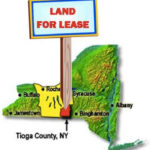
Organized in 2008, the Tioga County Landowners Group represents more than 1,600 families controlling over 111,000 acres in Tioga County, New York, with roughly 75,000 acres available for natural gas leasing. Formed to educate landowners about mineral rights opportunities amid the Marcellus Shale drilling boom, the coalition seeks a “fair and equitable” drilling partner while positioning itself as a ready participant in hydraulic fracturing development in upstate New York.

Source: Tioga County Landowners Group for the Tioga Gas Lease (2008) Read More

Marsh Fork Elementary: Journey Up Coal River | A Community and Strip Mining

Marsh Fork Elementary: Journey Up Coal River | A Community and Strip Mining

In West Virginia’s Coal River Valley, Marsh Fork Elementary sat downstream from a massive coal slurry impoundment — millions of gallons of mining waste held behind an earthen dam. Parents worried about what would happen if it failed. Students practiced evacuation drills. The story wasn’t abstract environmental policy; it was children attending school in the shadow of extraction.

Source: Aurora Lights (2015) Read More

October (2010)

TckTckTck | I Am Ready

TckTckTck | I Am Ready

TckTckTck was a global alliance uniting environmental groups, labor organizations, faith communities, and citizens to demand a fair, ambitious, and binding international climate treaty. Formed around the Copenhagen climate summit, the coalition mobilized mass demonstrations and called for strong legal commitments to curb emissions. Although the site is no longer active, its message emphasized climate justice, green jobs, and protection for vulnerable nations, arguing that decisive global action remained urgently necessary.

Source: TckTckTck.org (2009) Read More

West Virginia Blue: Dunkard Creek fish kill

West Virginia Blue: Dunkard Creek fish kill

The 2009 Dunkard Creek fish kill devastated a 38-mile ecosystem in West Virginia, wiping out more than 160 species of fish, mussels, salamanders and aquatic life. Investigators pointed to oil and gas drilling wastewater as the most likely cause, amid concerns about inadequate treatment capacity in the Marcellus Shale region. The disaster sparked outrage among local observers and raised urgent questions about wastewater management, regulatory oversight, and the environmental costs of rapid shale gas development.

Source: West Virginia Blue (2009) Read More

Drilling Marcellus Shale: Unlimited Natural Gas Company Contributions to Pennsylvania Politicians

Drilling Marcellus Shale: Unlimited Natural Gas Company Contributions to Pennsylvania Politicians

MarcellusMoney.org tracks political donations from fracking interests in Pennsylvania, documenting millions of dollars contributed to state candidates and party committees between 2007 and 2018. The site, supported by research from Common Cause Pennsylvania, exposes the financial ties between drilling companies and elected officials, framing shale gas development as not only an environmental issue but also a question of democratic accountability and the influence of corporate money in state politics.

Source: Marcellus Money (2010) Read More

Rancho Los Malulos | A satirical view from the McGill Brothers Lease

Rancho Los Malulos | A satirical view from the McGill Brothers Lease

At Rancho Los Malulos, satire met shale. Through humor and parody, the site skewered industry optimism and political doublespeak. Behind the jokes lay a serious critique: when official narratives grow polished, satire becomes a pressure valve — and sometimes a sharper mirror than straight reporting.

Source: Rancho Los Malulos (2009) Read More

Futurism Now

Futurism Now

Futurism Now, a Minnesota-based blog by Shelly Thomas, examines energy policy, climate change, and environmental justice through news aggregation, commentary, and multimedia resources. Active since 2008, the site covers international energy issues, including tar sands development, climate science denial, and corporate political influence. It highlights environmental impacts such as water contamination, carbon emissions, and industrial extraction, while linking activism, investigative journalism, and grassroots advocacy.

Source: Futurism Now (2011) Read More

September (2010)

Water All Around … Or is There? | Activist’s Corner

Water All Around … Or is There? | Activist's Corner

This report examines the overlooked strain fracking places on freshwater resources, focusing not only on methane leaks and well contamination but also on the large-scale withdrawal of surface water. Using examples from Pennsylvania, including lawsuits in Dimock, the article raises concerns that hydrofracturing may be depleting and degrading critical water supplies, adding another dimension to the environmental and public health debate.

Source: Workers World (2010) Read More

Rainforest Action Network

Rainforest Action Network

The Rainforest Action Network warned that President Barack Obama’s EPA remained too aligned with coal interests after approving a mountaintop removal permit in Logan County, West Virginia. That warning gained urgency when, in September 2009, 161 aquatic species were wiped out along 38 miles of Dunkard Creek after coal-mine discharges created high conductivity levels that allowed toxic golden algae to flourish. Though state regulators had approved cleanup plans, the EPA later acknowledged additional enforcement might be necessary as restoration costs were estimated at $30 million.

Source: Rainforest Action Network (2009) Read More

New York Well Watch Forum

New York Well Watch Forum

The New York Well Watch Forum gathered residents monitoring proposed drilling near the state’s drinking water supply. Members shared test results, regulatory filings, and personal observations — building a citizen archive of vigilance. As Albany debated whether to allow high-volume hydraulic fracturing, the forum functioned as both clearinghouse and early-warning system.

Source: Google Groups: New York Well Watch Forum (2010) Read More

August (2010)

Riverkeeper – NY’s Clean Water Advocate

Riverkeeper - NY's Clean Water Advocate

Riverkeeper, a member-supported watchdog organization, has documented and litigated contamination linked to gas drilling in the Marcellus Shale, including investigations in Dimock, Pennsylvania. Through river patrols, public education, and legal action, the group frames fracking as a long-term threat to drinking water security and ecological integrity across the Hudson watershed and beyond.

Source: Riverkeeper - NY's Clean Water Advocate (2020) Read More

People that no one is helping

People that no one is helping

Elizabeth Berkowitz chronicled families who said drilling changed everything — air quality, property values, even their health — while regulators and companies pointed elsewhere. Complaints lingered unanswered. The people living nearest the wells described isolation more than outrage: feeling small beside billion-dollar operators and distant agencies. In the rush to extract gas, some residents wondered who, exactly, was responsible for them.

Source: Faces of Frackland Read More

Northern Rockies Rising Tide

Northern Rockies Rising Tide

Northern Rockies Rising Tide organizes grassroots resistance to fossil fuel expansion across Montana and neighboring states. Activists stage protests, train volunteers, and scrutinize pipeline routes and drilling permits. Their strategy blends direct action with community education. In a region defined by wide skies and long distances, the group insists that remote landscapes still demand vigilant defense.

Source: Northern Rockies Rising Tide (2010) Read More

WATER | Clean Water | TakePart Social Action Network: Important Issues, Activism, Environmental, Human Rights, Political News

WATER | Clean Water | TakePart Social Action Network: Important Issues

TakePart’s social action network framed clean water not as abstraction but as mobilization — petitions, local campaigns, shared research. As drilling pushed toward major watersheds, activists used digital platforms to connect scattered communities. The stakes were immediate: rivers, aquifers, drinking supplies serving millions. The question wasn’t whether water mattered — it was how quickly citizens could organize before permits were signed.

Source: TakePart Social Action Network (2010) Read More

West Virginia Surface Owners’ Rights Organization (WVSORO)

West Virginia Surface Owners' Rights Organization (WVSORO)

In West Virginia, surface owners — often distinct from mineral rights holders — organized to protect property, water access, and negotiation leverage. When drilling rigs appeared on land families had farmed for generations, legal complexity collided with lived experience. The organization worked to clarify contracts and defend surface protections in a state where extraction runs deep in history.

Source: West Virginia Surface Owners' Rights Organization (WVSORO) (2008) Read More

Sustainable Otsego

Sustainable Otsego

In upstate New York, Sustainable Otsego organized residents concerned about proposed drilling in the Marcellus Shale. The group hosted forums, tracked leases, and pressed local officials to consider long-term environmental impacts. As rural counties weighed lease bonuses against watershed protection, Sustainable Otsego insisted sustainability required more than short-term revenue.

Source: Sustainable Otsego (2013) Read More

Clean Water Not Dirty Drilling

Clean Water Not Dirty Drilling

“Clean Water Not Dirty Drilling” became both slogan and organizing banner for activists opposing hydraulic fracturing near critical water supplies. The framing was simple but pointed: if water is nonnegotiable, drilling must meet a higher standard — or be rejected. Rallies and petitions amplified the message as policy decisions approached.

Source: Clean Water Not Dirty Drilling (2010) Read More

Sierra Club Finger Lakes Group Gas Information Page

Sierra Club Finger Lakes Group Gas Information Page

The Sierra Club’s Finger Lakes chapter compiled local data on gas development proposals in central New York. From watershed maps to permit summaries, the page equipped residents with tools to engage regulators. As the Marcellus debate intensified statewide, the group aimed to ground the conversation in regional facts and familiar landscapes.

Source: Sierra Club (2009) Read More

Petition Site: Ban Natural Gas Drilling in New York State

Petition Site: Ban Natural Gas Drilling in New York State

As Albany weighed whether to permit high-volume hydraulic fracturing, online petitions gathered signatures urging a statewide ban. Supporters argued the risks to drinking water and rural character outweighed promised gains. The petition movement signaled something larger: shale policy was no longer confined to regulatory agencies — it had become a public referendum.

Source: Care2 Petition Site (2019) Read More

Gas Drilling Discussion (Suggested Agenda for) : Biblical and Theological Considerations

Gas Drilling Discussion (Suggested Agenda for) : Biblical and Theological Considerations

As towns prepared for public hearings on gas drilling, suggested agendas circulated: groundwater testing, road use agreements, emergency response plans, health monitoring. The checklist reflected a growing realization — once drilling begins, decisions move quickly. Communities that wanted leverage had to prepare before the rigs arrived.

Source: Beach Lake United Methodist Church (2009) Read More

Delaware Riverkeeper Network

Delaware Riverkeeper Network

The Delaware Riverkeeper Network focused on protecting a watershed supplying drinking water to more than 15 million people across four states. As shale proposals edged toward the Delaware Basin, the organization challenged permits and pushed for basin-wide oversight. When water serves entire metropolitan regions, local drilling becomes a regional calculation.

Source: Delaware Riverkeeper Network (2009) Read More

It’s Getting Hot In Here: Keeping (and Calculating) Tabs on Gas Drilling

It’s Getting Hot In Here: Keeping (and Calculating) Tabs on Gas Drilling

As shale gas was promoted as a “bridge fuel,” analysts and activists revisited the math: how much carbon can the atmosphere absorb before climate thresholds are crossed? The debate shifted from local wells to global limits. If carbon budgets are finite, the question becomes stark — which reserves stay underground?

Source: It's Getting Hot in Here (2010) Read More

Love Canal 2020

Love Canal 2020

“Love Canal 2020” evoked the infamous New York toxic waste disaster as a warning: environmental crises often unfold slowly before erupting into national scandal. The comparison suggested a future headline no one wants — contamination recognized only after years of denial. History, the piece implied, does not repeat itself quietly.

Source: Love Canal 2020 (2010) Read More

Journey of the Forsaken

Journey of the Forsaken

“Journey of the Forsaken” traced communities left grappling with extraction’s aftermath — damaged roads, disputed leases, lingering health complaints. The title suggests abandonment: after the boom moves on, who remains to handle what’s left? In regions where wells decline and companies restructure, residents sometimes find themselves negotiating consequences alone.

Source: Journey of the Forsaken (2010) Read More

Incite: An independent advocate for the environment. | Gas Pains

Incite: An independent advocate for the environment. | Gas Pains

Incite offered commentary and analysis independent of party lines, scrutinizing environmental decisions tied to energy development. As drilling debates hardened into ideological camps, independent voices aimed to unpack data, challenge assumptions, and keep public focus on long-term ecological stakes.

Source: Audobon Magazine (2010) Read More

New York Gas Lease, formerly Pass Gas Now

New York Gas Lease

As New York deliberated over high-volume hydraulic fracturing, online forums evolved — from pro-leasing enthusiasm to broader debate platforms. The shift in name signaled something: what began as a push to “pass gas now” transformed into a more complex conversation about contracts, moratoria, and the future of rural land.

Source: New York Gas Lease (2011) Read More

Drill here, drill now, pay less : a handbook for slashing gas prices and solving our energy crisis

Drill here

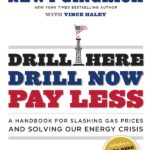
Echoing the slogan popularized by political figures like Newt Gingrich, “Drill Here, Drill Now, Pay Less” framed expanded domestic drilling as a direct path to lower energy prices. The handbook distilled an argument that resonated nationally during high gas-price cycles. Critics countered that global oil markets and production timelines rarely bend to slogans.

Source: Regnery Pub. (2008) Read More
Item added to cart.
0 items - $0.00