Frequently Referenced 📚

Frequently Referenced 📚

Other documents became part of how the archive is used. Frequently Referenced works are those readers return to for context—cited, linked 🔗 by researchers, and revisited as points of reference. Explore related scholarly research below ↓

158 documents

2023

December (2023)

What broke the Safe Drinking Water Act?

What broke the Safe Drinking Water Act?

Annie Snider wrote in Politico: “There’s perchlorate in this reservoir. Here’s why Washington isn’t doing anything about it.” The story revisits the Safe Drinking Water Act (SDWA), enacted in 1974 as the nation’s primary law to ensure safe public drinking water. Under the statute, the Environmental Protection Agency (EPA) sets standards and oversees state implementation — yet regulatory gaps and political hesitation can leave contaminants in place, testing how far the law’s protections actually reach.

Source: Politico (2017) Read More


U.S. EPA Water Enforcement

U.S. EPA Water Enforcement

The Environmental Protection Agency’s water enforcement division pursues violations related to discharges, contamination, and compliance under federal water statutes. Under the Clean Water Act, the law’s objective is to “restore and maintain the chemical, physical, and biological integrity of the nation’s waters,” while recognizing state responsibilities and providing federal assistance — including funding for publicly owned treatment works. Enforcement records form the regulatory ledger that reveals how that mandate is implemented, tested, or challenged in drilling regions.

Source: U.S. EPA (2023) Read More

2013

January (2013)

Chesapeake Energy Flares Barnett Shale Gas Well in Trinity Trail

Chesapeake Energy Flares Barnett Shale Gas Well in Trinity Trail

Reports documented Chesapeake Energy flaring natural gas at Barnett Shale wells — burning off excess production when pipeline capacity or market conditions limited transport. Flaring reduces immediate pressure but raises questions about waste, emissions, and infrastructure readiness during rapid expansion.

Source: YouTube (2009) Read More

Before/After Drilling

Before/After Drilling

A slow, simulated time-lapse portrays the transformation of the pristine Delaware watershed before and after gas drilling. The visual meditation underscores what communities fear losing: clean water, scenic beauty, and ecological balance.

Source: YouTube (2008) Read More
Flow – The War Between Public Health and Private Interests

Flow - The War Between Public Health and Private Interests

FLOW: For Love of Water, directed by Irena Salina, investigates the global water crisis and the privatization of freshwater resources. Featuring interviews with scientists, activists, and policy experts, the documentary explores water scarcity, pollution, and corporate control of municipal water systems. The film raises questions about water as a public trust versus a market commodity, while highlighting grassroots movements and policy efforts advocating for equitable access.

Source: Environment and Society (2008) Read More
BJ Services

BJ Services

BJ Services was among the large companies investigated by the U.S. House Energy and Commerce Committee as lawmakers examined whether the gas extraction method known as hydraulic fracturing — or fracking — poses hazards to groundwater drinking supplies. The company provided hydraulic fracturing and pressure-pumping services during the shale boom, supplying equipment and crews to operators across major basins. As a service firm, BJ Services operated behind leaseholders, enabling the high-volume completions that transformed unconventional formations into commercial production.

Source: BJ Services (2010) Read More

Reporter’s Notebook: Hydraulic Fracturing

Reporter's Notebook: Hydraulic Fracturing

Anecdotal evidence has been criticized by Gas Industry advocates in the debate over the inadequately funded EPA study. There have been many anecdotal reports of fouled wells and air pollution, unknown risks to chemical exposure and hydrogen sulfide, and methane leaking from gas compressors captured on infrared film.

Source: YouTube (2009) Read More

Earth Day: Give Earth a Hand

Earth Day: Give Earth a Hand

Tides Foundation is proud to present The Story of Stuff — a 20-minute, fast-paced, fact-filled look at the underside of our production and consumption patterns that calls us together to create a more sustainable and just world.

Source: YouTube | Greenpeace (2010) Read More
Encana Fracking Cake for Kids – A Look Underground

Encana Fracking Cake for Kids - A Look Underground

A recent company event provided an opportunity for one of our engineers to educate children about natural gas development. Parents and educators often ask us for industry material to use with this audience so we made this video in the spirit of creativity.

Source: YouTube (2010) Read More
2012

September (2012)

Oil & Gas Accountability Project (OGAP)

Oil & Gas Accountability Project (OGAP)

OGAP tracks drilling impacts with a watchdog’s eye: complaints, enforcement gaps, industry claims, and the fine print of regulation. The hook is accountability — who reports what, who inspects, who pays, who fixes. In boom country, the technical work happens fast and the paperwork trails behind. OGAP exists to pull that trail forward into view, turning scattered incidents into patterns that regulators and communities can’t easily ignore.

Source: Earthworks (2009) Read More

The Tragedy of the Commons

The Tragedy of the Commons

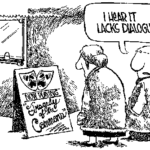
Another example of a typical commons is groundwater. Nobody really owns the groundwater; it is technically up for grabs. Eventually, depletion by a few means depletion for all.

Source: Science (1968) Read More

2011

December (2011)

U.S. Department of Energy – Homepage

U.S. Department of Energy - Homepage

The Department of Energy promotes research, innovation, and domestic production across the energy spectrum. As shale gas surged, DOE messaging emphasized technological advancement and energy security. Critics questioned whether federal enthusiasm adequately balanced environmental risk.

Source: U.S. Department of Energy (2009) Read More
June (2011)

The Case of Chevron

The Case of Chevron

According to the EPA’s National Emission Inventory, Chevron was responsible for 4,030,422.95 pounds of green house gas emission pollution in Plaquemines Parish, Louisiana in 2002.

Source: Friends of the Earth (2008) Read More

May (2011)

Peabody coal company threatens to sue over getting punked

Peabody coal company threatens to sue over getting punked

Change.org, the website that allows users to create petitions for social change, received a legal threat from Peabody Energy after Coal Kills Kids (CKK) — a group that partnered with the Yes Men to unveil a faux Peabody charity initiative earlier this week (archived) — continued the hoax with a mock petition.

Source: San Francisco Bay Guardian Online (SFBG) (2011) Read More
Mira’s Movement

Mira's Movement

Do you know that pediatric cancer is the leading disease killer of children in the United States ? That 35 children are diagnosed with cancer in the US every day? Do you know that, according to the National Cancer Institute, pediatric cancer as a whole received only $200 million for research in 2009?

Source: Mira's Movement (2009) Read More
Ceres Principles – Corporate Environmental Conduct

Ceres Principles - Corporate Environmental Conduct

Ceres: (pronounced “series”), is a national network of investors, environmental organizations and other public interest groups working with companies and investors to address sustainability challenges such as global climate change.

Source: Ceres | Investors and Environmentalists (2010) Read More

Environmental Advocates New York

Environmental Advocates New York

The New York Water Rangers, launched by Environmental Advocates of New York, mobilized residents to defend state waters from hazardous fracking waste. Through legislative advocacy, coalition organizing, and narrative strategy developed with SmartMeme Studios, the campaign pushed to close loopholes in state law, extend moratorium protections, and require independent health impact assessments before permitting high-volume hydraulic fracturing in New York.

Source: Environmental Advocates New York (2011) Read More

Property Rights and Drilling

Property Rights and Drilling

…Slottje warned municipal officials to avoid getting trapped into thinking they have to provide road use agreements….The biggest problem Slottje sees facing municipalities is the increased erosion of enforcement of environmental regulations. “So we’re swinging back to protecting the environment through property rights and home rule,” she said.

Source: Tompkins Weekly (2011) Read More

In Pursuit of Sustainability

In Pursuit of Sustainability

In The Coming Transformation: Values to Sustain Human and Natural Communities, contributors including David Grant recount environmental advocacy efforts in New Jersey that exposed contamination flowing from an abandoned industrial site into residential neighborhoods. Community activist Robert Spiegel contacted the U.S. Environmental Protection Agency (EPA) and organized public screenings of videotaped evidence, prompting federal response. The work connects grassroots environmental action to broader questions of sustainability, public accountability, and civic engagement, themes also supported by the Geraldine R. Dodge Foundation through its environmental and community initiatives.

Source: Geraldine R. Dodge Foundation (2009) Read More

Dish Mayor Calvin Tilman Testifies at Railroad Commission – Oil and Gas Lawyer Blog

Dish Mayor Calvin Tilman Testifies at Railroad Commission - Oil and Gas Lawyer Blog

In Dish, Texas, Mayor Calvin Tilman brought air monitoring data and resident complaints before the Texas Railroad Commission, the state’s oil and gas regulator. He described odors, emissions, and health concerns near compressor stations. The hearing placed a small town’s grievances in front of a powerful agency — and forced regulators to respond on record.

Source: Oil and Gas Lawyer Blog (2010) Read More
April (2011)

Meet the Gas Geezers
Meet the Gas Geezers

T. Boone Pickens has somehow managed to sell President Obama and an astonishing number of Congress members on the myth that nat-gas is a homegrown wonder fuel.

Source: Counterpunch (2011) Read More

Getting drillers to respect the environment

Getting drillers to respect the environment

“Our quality of life has an unquenchable thirst for energy. Offshore drilling and production helps to satisfy this thirst.” — Richard Haut. Extracting energy requires trade-offs. “We want clean air, but we also like the convenience of electricity,” said Richard Haut during a lunch-hour seminar last Tuesday. Haut, founder and senior research scientist at Houston Advanced Research Center (HARC), visited Cornell to promote what he calls “environ – mentally friendly drilling systems.”

Source: The Tompkins County Weekly (2011) Read More

Despite overhaul, gas wastewater still a problem

Despite overhaul

Pennsylvania’s natural gas drillers are still flushing vast quantities of contaminated wastewater into rivers that supply drinking water, despite major progress by the industry over the past year in curtailing the practice.

Source: The Mercury | PottsMerc.com (2011) Read More

Cornell University Law School – 2011 Energy Conference

Cornell University Law School - 2011 Energy Conference

The conference will use natural gas drilling as a lens to explore energy policy, the global energy market, and the integral role the law can and must play in creating energy security and ensuring a sustainable future.

Source: Cornell University Law School (2011) Read More

The Marcellus Effect

The Marcellus Effect

“The Marcellus Effect” captured the ripple of drilling through Pennsylvania and beyond — from lease auctions to pipeline corridors to community tension. Supporters highlighted tax revenue and employment. Opponents documented environmental complaints and infrastructure strain. The effect was economic, political, and deeply local.

Source: Marcellus Effect (2016) Read More

High court could melt climate-change cases

High court could melt climate-change cases

Here you have a particular village that is going to be under water. Various scientific and government studies report that the right combination of storms could flood the entire village at any time and have recommended relocation at costs varying up to $400 million.

Source: The National Law Journal | Law.com (2010) Read More

Powder River Basin Resource Council

Powder River Basin Resource Council

The Powder River Basin Resource Council represents ranchers, landowners, and rural residents navigating coalbed methane and gas development. Members negotiate surface use agreements, challenge permits, and push for stronger reclamation standards. For families whose livelihoods depend on land and water, the council offers leverage in conversations often dominated by energy firms with national reach.

Source: Powder River Basin Resource Council (2010) Read More

Dispatch – Powder Keg

Dispatch - Powder Keg

Communities sitting atop shale formations found themselves on what critics called a powder keg — drilling permits stacking up, tanker traffic thickening, tempers rising. Industry spokespeople framed it as progress. Local residents saw strain on roads, water systems, and trust. The question simmered: was this a manageable energy expansion — or a buildup toward conflict no one was prepared to defuse?

Source: Audobon (2002) Read More

March (2011)

Untested Waters: The Rise of Hydraulic Fracturing in Oil and Gas Production and the Need to Revisit Regulation

Untested Waters: The Rise of Hydraulic Fracturing in Oil and Gas Production and the Need to Revisit Regulation

As the hunt for important unconventional gas resources in America expands, an increasingly popular method of wringing resources from stubborn underground formations is a process called hydraulic fracturing – also described as hydrofracturing, fracking, or fracing – wherein fluids are pumped at high pressure underground to fracture a formation and release trapped oil or gas.

Source: Fordham Environmental Law Review (2008) Read More

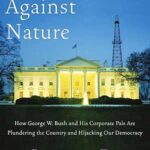
Crimes against nature: how George W. Bush and his corporate pals are plundering the country and high-jacking our democracy

Crimes against nature: how George W. Bush and his corporate pals are plundering the country and high-jacking our democracy

In Crimes Against Nature, Robert F. Kennedy Jr. delivers a sweeping indictment of the George W. Bush administration, arguing that corporate cronyism has undermined public health, national security, and democratic governance. Kennedy emphasizes the enduring importance of the public trust doctrine, which holds that resources such as air, water, fisheries, and wetlands belong to the commons and cannot be diminished for private gain. He contends that protecting these shared resources is essential to preserving democracy itself.

Source: HarperCollins (2004) Read More

The Effect of the United States Supreme Court’s Eleventh Amendment Jurisprudence on Clean Water Act Citizen Suits: Muddied Waters

The Effect of the United States Supreme Court's Eleventh Amendment Jurisprudence on Clean Water Act Citizen Suits: Muddied Waters

In her Oregon Law Review article, “The Effect of the United States Supreme Court’s Eleventh Amendment Jurisprudence on Clean Water Act Citizen Suits,” Professor Hope Babcock examines how the Court’s expansion of state sovereign immunity has narrowed citizens’ ability to enforce federal environmental laws. She argues that recent decisions have shielded state agencies from accountability, weakening Clean Water Act enforcement and limiting private lawsuits under other environmental statutes, thereby constraining the public’s capacity to vindicate federally protected rights.

Source: Oregon Law Review (2004) Read More

All Things Nuclear

All Things Nuclear

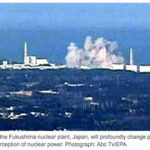
Expert reports and selections of news accounts and analysis of the breaking news concerning the meltdown of Japan’s nuclear reactors ongoing since March 13, 2011.

Source: Union of Concerned Scientists (2011) Read More

U.S. Speaker Nancy Pelosi: The Gavel: Draining The Swamp

U.S. Speaker Nancy Pelosi: The Gavel: Draining The Swamp

Then–Speaker Nancy Pelosi highlighted legislative efforts addressing energy reform and environmental protection. Congressional leadership framed drilling oversight and clean energy transitions as matters of national policy. In Washington, energy debates unfolded not only in committees but on the House floor.

Source: The Gavel (2008) Read More

U.S. Speaker Nancy Pelosi | Current Legislation

U.S. Speaker Nancy Pelosi | Current Legislation

Tracking current legislation revealed how energy bills advanced, stalled, or fractured along partisan lines. Proposals ranged from renewable incentives to drilling reforms. The legislative docket became a scoreboard for competing visions of America’s energy future.

Source: Speaker Nancy Pelosi | Current Legislation (2010) Read More

Safe Drinking Water Act (SDWA) | Safe Drinking Water Act | US EPA

Safe Drinking Water Act (SDWA) | Safe Drinking Water Act | US EPA

The Safe Drinking Water Act establishes federal standards to protect public water supplies from contamination. Its authority over underground injection became central to the hydraulic fracturing debate — especially after exemptions narrowed its reach. The statute’s language determines what protections apply beneath the surface.

Source: U.S. Environmental Protection Agency (1974) Read More

Global Warning | The environment and national security

Global Warning | The environment and national security

Fracking is being rushed. it’s going full tilt without the scientific, objective regulation, and analysis that important security issues warrant, even though industry experts have known about the many risks it poses to the environment and our health for years.

Source: Global Warning (2011) Read More

WATER | FRONTLINE: Poisoned Waters

WATER | FRONTLINE: Poisoned Waters

More than three decades after the Clean Water Act, iconic American waterways like the Chesapeake Bay and Puget Sound are in perilous condition and facing new sources of contamination. PBS FRONTLINE’s Poisoned Waters investigated industrial pollution and regulatory breakdowns, tracing how enforcement gaps and political compromises left communities with compromised drinking water. The documentary elevated local complaints into a national reckoning over whether oversight has kept pace with modern extraction and discharge practices.

Source: Public Broadcasting Service Frontline (2009) Read More

Pew Campaign for Responsible Mining

Pew Campaign for Responsible Mining

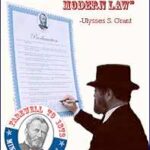
The Pew Campaign for Responsible Mining argues that the 1872 General Mining Law is outdated and fails to protect taxpayers and public lands. The law allows companies to extract billions in hardrock minerals without paying royalties, while cleanup costs from abandoned mines burden the public. Pew calls for reforms to ensure fair compensation, environmental safeguards, and protection of water sources, wildlife habitats, tribal lands, and national parks amid a renewed mining rush in the American West.

Source: pewminingreform.org (2011) Read More

Natural Gas Drillers Protest Nomination of Fracking Critics for EPA Review Panel

Natural Gas Drillers Protest Nomination of Fracking Critics for EPA Review Panel

The Independent Petroleum Association of America challenged the nomination of two prominent fracking critics—Theo Colborn and Robert Howarth—to an EPA review panel studying hydraulic fracturing. Industry leaders accused them of bias, citing Colborn’s work on health impacts and Howarth’s draft report suggesting shale gas emissions may rival coal. The dispute highlighted tensions between environmental scientists and industry advocates as the EPA began evaluating the risks of hydraulic fracturing and its implications for climate and public health.

Source: New York Times: Greenwire (2010) Read More

Natural gas: Fueling the Future

Natural gas: Fueling the Future

“Fueling the Future” sells natural gas as the clean, modern answer — abundant, domestic, practical. It’s the kind of framing that helped shale leap from regional drilling play to national storyline. But beneath the optimism sit the mechanics that matter: wells, pipelines, compressors, flaring, methane leakage, and water. The hook here isn’t the promise — it’s how fast a “bridge fuel” becomes a full-scale infrastructure decision.

Source: Greenhaven Press (2006) Read More

Fracking Disaster in the Making: A Report

Fracking Disaster in the Making: A Report

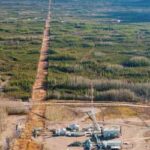
Earlier this year at Two Island Lake north of Fort Nelson, two corporations, Encana and Apache, blasted an estimated 5.6 million barrels worth of water along with 111 million pounds of sand and unknown chemicals to fracture apart dense formations of shale over a 100 day period, or what Parfitt calls “the world’s largest natural gas extraction effort of its kind.”

Source: The Tyee (2010) Read More

Hydraulic Fracturing: History of an Enduring Technology

Hydraulic Fracturing: History of an Enduring Technology

In 1947, Stanolind Oil conducted the first experimental fracturing in the Hugoton field located in southwestern Kansas. The treatment utilized napalm (gelled gasoline) and sand from the Arkansas River.

Source: Journal of Petroleum Technology (JPT) Online (2010) Read More

Controversial gas ‘fracking’ extraction headed to Europe

Controversial gas 'fracking' extraction headed to Europe

European energy companies are scrambling to secure licenses to roll out extraction projects this side of the Atlantic. …Experts have increasingly expressed concern that the chemicals used in fracking may pose a threat underground or when waste fluids are transported or spilled (archived) .

Source: guardian.co.uk | Environment (2010) Read More

February (2011)

WATER: Gas drilling in huge Appalachia reserve yields foul, briny byproduct – AP

WATER: Gas drilling in huge Appalachia reserve yields foul

A vast Appalachian watershed — a reserve supplying drinking water across multiple states — faced encroaching gas development. Conservationists warned that drilling in or near protected lands could ripple far beyond lease boundaries. Industry backers emphasized economic revival in struggling regions. The scale was enormous: aquifers, forests, pipelines threading through one of the East’s largest intact landscapes.

Source: cleveland.com (2010) Read More

FCPA Blog | UK Court Won’t Block Telser Extradition

FCPA Blog | UK Court Won't Block Telser Extradition

The London lawyer accused by American authorities of helping KBR and its partners bribe Nigerian officials lost his battle against extradition, marking a major chapter in one of the largest Foreign Corrupt Practices Act cases tied to global energy contracts. The prosecution stemmed from a decade-long scheme involving liquefied natural gas projects on Bonny Island, Nigeria — a scandal that ultimately led Halliburton and KBR to pay hundreds of millions in penalties and intensified scrutiny of corruption within multinational energy ventures.

Source: The Foreign Corrupt Practices Act (FPCA) Blog (2011) Read More

BP – For BP, a History of Spills and Safety Lapses

BP - For BP

BP’s record of spills and safety failures, including high-profile disasters, shadowed broader energy debates. As shale expansion accelerated, past corporate missteps served as reminders that operational assurances and compliance histories do not always align. Reputation travels with infrastructure.

Source: The New York Times (2010) Read More

Energy Policy Act of 2005-Critique

Energy Policy Act of 2005-Critique

Critics revisited the Energy Policy Act of 2005, focusing on provisions that limited federal oversight of hydraulic fracturing. The “Halliburton loophole” became shorthand for regulatory exemption. What passed quietly in statute books years earlier now sat at the center of public debate.

Source: Wikipedia, the free encyclopedia (2010) Read More

Wildlife Mortality Risk in Oil Field Waste Pits. U.S. Fish and Wildlife Service.

Wildlife Mortality Risk in Oil Field Waste Pits.  U.S. Fish and Wildlife Service.

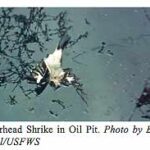
Open waste pits associated with oil and gas operations have been linked to bird and wildlife deaths when animals mistake contaminated water for safe habitat. Mortality reports raised concerns about regulatory standards and monitoring. Extraction’s footprint, critics argued, extends beyond property lines and into migration corridors.

Source: U.S. Fish and Wildlife Service (2000) Read More

Triana Energy

Triana Energy

Triana Energy operated in the Marcellus Shale during the boom’s early expansion, navigating leasing, drilling, and eventual acquisition in a fast-moving market. In a 2009 case in West Virginia, landowners who sold natural gas to Chesapeake and its predecessors — including Triana Energy, NiSource Inc., and Columbia Natural Resources — alleged they were cheated out of portions of their royalty payments. In shale’s rapid ascent, corporate timing and contract terms often moved just as quickly as the drilling rigs.

Source: Triana Energy (2010) Read More

EPA chief faces hostile House GOP

EPA chief faces hostile House GOP

The showdown between House Republicans and the White House over climate change and environmental policies kicks off Wednesday with EPA chief Lisa Jackson as the star witness.

Source: Politico (2011) Read More

Environmental Issues and Challenges in Coal Bed Methane Production

Environmental Issues and Challenges in Coal Bed Methane Production

Coalbed methane development revealed a familiar pattern: energy extraction layered atop groundwater systems and rural landscapes. Pumping methane from coal seams alters aquifers, produces saline discharge, and reshapes surface hydrology. The environmental challenges are not incidental — they are engineered into the process. As unconventional gas expands, coalbed lessons echo forward.

Source: International Petroleum Environmental Conference, University of Tulsa (2003) Read More

Expert Testimony on Hydraulic Fracturing Impacts

Expert Testimony on Hydraulic Fracturing Impacts

I am writing on behalf of the Oil and Gas Accountability Project to provide an impartial analysis of the adequacy of the actions proposed in the subject report. I am a practicing hydrogeologist; I spent 32 years at the U.S. Geological Survey in both management and research positions. I left the USGS in 1995 to become a consultant. I have published more than 100 papers in the refereed scientific literature on various groundwater problems. My

Source: Earthworks (2003) Read More

Experts in Favor of Public Access

Experts in Favor of Public Access

The public should have access to the inner workings of Luzerne County home rule subcommittees, say three experts on the state’s open meeting law.

Source: The Times Leader, Wilkes-Barre & Scranton PA (2011) Read More

Climate Science Watch

Climate Science Watch

“There is growing evidence from the real world that climate changes are accelerating faster than we originally feared and that impacts—already appearing—will be more widespread and severe than expected. This makes the arguments against taking actions against climate change not just wrong, but dangerous,” Dr. Gleick said in his

Source: Climate Science Watch (2010) Read More

January (2011)

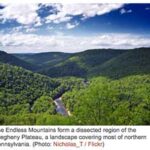
Pennsylvania Gas Pipeline Challenged

Pennsylvania Gas Pipeline Challenged

The Endless Mountains forms a dissected region of the Allegheny Plateau, a landscape covering most of norhtern Pennsylvania. (Photo: Nichloas T / Flickr)

Source: Earthjustice (2011) Read More

Dirty Energy Money

Dirty Energy Money

We’ve created maps of political campaign contributions from companies in the oil & gas and coal industries to congressional representatives. These are

Source: Dirty Energy Money | Oil Change International (2012) Read More

The Great Shale Gas Rush

The Great Shale Gas Rush

This is an excellent background on the Marcellus Shale Gas Rush. Website is sponsored by Shell which may signify a pro-industry editorialization. Nevertheless, the photographs and production are impressive.

Source: National Geographic (2010) Read More

Encana

Encana

Encana expanded aggressively into U.S. shale plays, positioning itself as a major unconventional producer across multiple basins. As drilling scaled, the company became part of the broader debate over groundwater safety, emissions, and regulatory oversight that accompanied high-volume hydraulic fracturing.

Source: Encana (2010) Read More

Frac Tech: Stage After Stage

Frac Tech: Stage After Stage

Frac Tech provided multi-stage fracturing services, enabling operators to fracture horizontal wells section by section — “stage after stage.” The technical refinement of staged fracturing turned shale from theory into scalable production. Innovation in sequencing proved as important as drilling depth.

Source: Frac Tech: Stage After Stage (2010) Read More

Congress Launches Investigation Into Gas Drilling Practices

Congress Launches Investigation Into Gas Drilling Practices

Members of Congress initiated investigations into gas drilling practices, requesting documents and testimony related to environmental impacts and regulatory compliance. When congressional oversight activates, the technical mechanics of fracking move into public record.

Source: ProPublica (2010) Read More

The Next Drilling Disaster?

The Next Drilling Disaster?

An investigation into the hidden aftermath of fracking in the Marcellus Shale: radioactive flowback, toxic disposal dilemmas, and citizen resistance movements rising across Pennsylvania and beyond. The article underscores mounting shareholder pressure—led by groups like As You Sow—demanding transparency from energy giants about drilling risks.

Source: The Nation (2010) Read More

Model validation : perspectives in hydrological science

Hydrological models must be validated against real-world data — aquifer behavior, fracture propagation, water flow rates. Without validation, projections risk drifting into assumption. In shale regions, the credibility of risk assessments depends on whether theory meets measurement.

Source: J. Wiley (2001) Read More

A Fracking First in Pennsylvania: Cattle Quarantine

A Fracking First in Pennsylvania: Cattle Quarantine

In a striking case reported by ProPublica, cattle in Pennsylvania were quarantined after exposure to drilling wastewater. The incident brought agricultural risk into the shale narrative, linking industrial operations with livestock health. When farms enter the story, extraction feels less remote and more immediate.

Source: ProPublica (2010) Read More

There’s Gas in Those Hills

There’s Gas in Those Hills

In Hughesville, Pennsylvania, Raymond Gregoire initially ignored the offer to lease drilling rights on his land. Weeks later, he signed for $62,000 and organized 75 neighbors into a $3 million collective agreement. As the Marcellus land rush accelerated, stories like Gregoire’s captured both opportunity and unease—farmers weighing short-term financial windfalls against the permanent industrial transformation of rural landscapes.

Source: The New York Times (2008) Read More

Molly Ivins: Keeping Our Eyes on the Ball

Molly Ivins: Keeping Our Eyes on the Ball

Journalist Molly Ivins combined sharp political critique with Texas humor in her 2006 column urging voters to stay engaged during a turbulent election season. She condemned partisan attacks, voter suppression, and what she saw as ethical and policy failures of the Bush administration. Reminding readers that democracy depends on participation, Ivins called for vigilance, fairness, and civic courage—insisting that politics belongs to the people, not merely those in power.

Source: truthdig.com (2006) Read More

State Decision Blocks Drilling for Gas in Catskills

State Decision Blocks Drilling for Gas in Catskills

New York State halted proposed drilling in the Catskill Park, protecting a region that feeds New York City’s drinking water system. Energy companies argued modern techniques could operate safely. State officials weighed the risk to a supply serving millions. The decision underscored a high-stakes reality: when gas sits beneath a watershed of national importance, economics collides with precaution.

Source: The New York Times (2010) Read More

Coalbed Methane Development: The Costs and Benefits of an Emerging Energy Resource

Coalbed Methane Development: The Costs and Benefits of an Emerging Energy Resource

Coalbed methane extraction promised domestic energy gains, but critics tracked groundwater drawdown, surface disturbance, and wastewater disposal challenges. The cost-benefit debate was not theoretical — it played out in ranchlands and aquifers. As unconventional gas expanded, lessons from coalbed methane became a cautionary template.

Source: Natural Resources Journal (2003) Read More

Conoco Phillips Remediation

Conoco Phillips Remediation

ConocoPhillips, one of the world’s largest energy companies, has faced remediation obligations tied to environmental impacts in various jurisdictions. Cleanup efforts, consent decrees, and negotiated settlements form part of the lifecycle of extraction. Production may be the headline; remediation is the longer ledger.

Source: Conoco Phillips (2010) Read More

WATER: Rulings Restrict Clean Water Act, Foiling E.P.A.

WATER: Rulings Restrict Clean Water Act

Court rulings narrowed the reach of the Clean Water Act, limiting federal oversight of certain streams and wetlands. Environmental advocates warned that smaller waterways — often feeding larger rivers — could slip beyond regulation. For drilling operations and wastewater disposal sites, the implications were immediate. A legal technicality in Washington could determine what protections applied at the edge of a rural creek.

Source: The New York Times (2010) Read More

Howarth warns EPA on shale gas greenhouse footprint

Howarth warns EPA on shale gas greenhouse footprint

At an EPA meeting in 2010, Cornell scientist Robert Howarth warned that shale gas may be nearly as damaging to the climate as coal due to methane leakage during extraction and distribution. Methane is far more potent than carbon dioxide in trapping heat, and even small leakage rates could significantly worsen global warming. Activists urged the EPA to suspend high-volume hydraulic fracturing until scientific assessments were complete and climate risks more fully understood.

Source: Daily Kos (2010) Read More

Environmental Integrity Project (EIP)

Environmental Integrity Project (EIP)

EIP combines research, reporting, and media outreach to spotlight illegal pollution, expose political intimidation of enforcement staff, and encourage federal and state agencies to take enforcement action to stop these practices. EIP’s work has been cited in Congressional hearings and debates, in reports by the US General Accountability Office, and in frequent news articles.

Source: Environmental Integrity Project (EIP) (2011) Read More

Opinion: Avoiding America’s next drilling disaster

Opinion: Avoiding America's next drilling disaster

In the wake of the BP Gulf oil disaster, U.S. Sen. Robert Casey of Pennsylvania and U.S. Rep. Diana DeGette of Colorado warned in the Philadelphia Inquirer that hydraulic fracturing posed a parallel onshore risk, urging federal disclosure of fracking chemicals under the Safe Drinking Water Act. Challenging exemptions advanced during Vice President Dick Cheney’s 2005 energy legislation, Casey and DeGette argued that energy companies should disclose the ingredients in fracking fluids—diesel fuel, benzene, methanol, and formaldehyde among them—while preserving proprietary formulas, countering industry claims that state regulation alone was sufficient.

Source: Philadelphia Inquirer (2010) Read More

2010

December (2010)

Environmental Groups Support U.S. EPA in Texas Air Permit Case

Environmental Groups Support U.S. EPA in Texas Air Permit Case

In August 2010, Environmental Defense Fund and the Environmental Integrity Project moved to intervene in the U.S. Court of Appeals for the Fifth Circuit after Texas Attorney General Greg Abbott sued the U.S. Environmental Protection Agency over its disapproval of Texas’ Flexible Air Permitting program. EDF’s Jim Marston argued that Governor Rick Perry was seeking a “special pollution pass” rather than complying with the Clean Air Act, while federal regulators defended the EPA’s authority to enforce national air standards.

Source: Environment News Service (ENS) (2010) Read More

The Case for a Truth and Reconciliation Commission on Toxic Hazards

The Case for a Truth and Reconciliation Commission on Toxic Hazards

In the 1970s, Congress passed a host of environmental laws that sought to adopt a preventive approach to reducing disease and protecting health and environment. Since then, average body burdens of some persistent toxic materials such as lead and cadmium have fallen, but those of other newer materials, like persistent flame retardants, have risen.

Source: Physicians for Social Responsibility (PSR) (2010) Read More

Smoke Signals

Smoke Signals

An article in Audubon examines the climate implications of thawing Arctic permafrost. Scientists estimate that northern permafrost soils contain roughly 1,400 gigatons of carbon—nearly twice the amount currently in the atmosphere. As warming accelerates, both carbon dioxide and methane are being released, including from previously overlooked submarine permafrost. Researchers are still determining whether current emissions represent a steady leak or the early stages of a larger feedback loop with global consequences.

Source: Audubon Magazine (2010) Read More

Whistle Blower’s Corner

Whistle Blower's Corner

Every thing secret degenerates, even the administration of justice; nothing is safe that does not show how it can bear discussion and publicity.’

Source: Basel Action Network (BAN) (2010) Read More

Gas Drilling Trucks

Gas Drilling Trucks

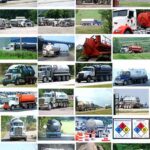
Our look at Canadian Sand and Proppant or cement for gas well casings. Whatever the name or use of these various trucks, they usually catch your attention when they are parked roadside or travelling down the highway as oversize loads.

Source: Marcellus-Shale.us (2009) Read More

YES! Magazine | Partners

YES! Magazine | Partners

YES! Magazine reframes the biggest problems of our time in terms of their solutions. Online and in print, we outline a path forward with in-depth analysis, tools for citizen engagement, and stories about real people working for a better world.

Source: YES! Magazine (2010) Read More

Desalination of Oil Field Brine

Desalination of Oil Field Brine

Oil and gas production consumes staggering amounts of water — more than 5 million gallons per day in fracturing operations alone. What comes back up is brine: saline wastewater laced with drilling byproducts. Engineers have explored desalination as a solution, but the chemistry is stubborn and costly. As shale wastewater volumes surged, the question became practical: can treatment technology keep pace with what the wells produce?

Source: The Future of Desalination in Texas (2006) Read More

Sanjel Corporation

Sanjel Corporation

Sanjel Corporation was among the companies the U.S. House Committee on Energy and Commerce investigated for potential environmental impacts related to hydraulic fracturing. The firm provides cementing and fracturing services across North American shale basins, supporting well completion at high pressure and high volume. As a service company, Sanjel forms part of the operational backbone of unconventional drilling — translating lease rights into functioning wells through specialized crews and equipment.

Source: Sanjel Corporation :: A Specialized Energy Service Company (2010) Read More

Range Resources

Range Resources

Range Resources was among the early movers in developing the Marcellus Shale, helping demonstrate the viability of large-scale horizontal drilling in Pennsylvania. As production expanded, the company became both a symbol of shale’s promise and a participant in disputes over water contamination and oversight.

Source: Range Resources (2010) Read More

Norse Energy Corporation

Norse Energy Corporation

Norse Energy pursued drilling opportunities in New York’s portion of the Marcellus Shale during a period of regulatory uncertainty. As the state debated whether to permit high-volume fracturing, companies like Norse positioned themselves in anticipation of a potential green light — timing their strategy to political outcome.

Source: Norse Energy Corporation (2010) Read More

Big Oil Goes to College

Big Oil Goes to College

Hundreds of millions of dollars in grants from major oil companies may have compromised the ethics of energy research at such institutions as UC Berkeley, UC Davis, Stanford and Cornell.

Source: AmericanProgress.org (2010) Read More

Drinking Water: Understanding the Science and Policy behind a Critical Resource

Drinking Water: Understanding the Science and Policy behind a Critical Resource

The National Research Council of the National Academies reports in Management and Effects of Coalbed Methane Produced Water in the Western United States (National Academies Press, 2010) that “produced water” accumulates over millions of years and should be treated as a largely nonrenewable resource. The study—authored by the Board on Earth Sciences and Resources, the Water Science and Technology Board, and the Division on Earth and Life Studies—warns that removing these underground water stocks without fully understanding groundwater impacts carries serious environmental risks and requires management decisions based on ecological responsibility rather than lowest cost.

Source: National Academies of Sciences, Engineering and Medicine (2010) Read More

Ardent Resources, Inc.

Ardent Resources

Ardent Resources pursued exploration and development opportunities in shale plays during a period of aggressive lease acquisition. Smaller firms like Ardent often entered early, positioning acreage before consolidation and capital restructuring reshaped the field.

Source: Ardent Resources, Inc. (2010) Read More

WATER | Clean Water Action

WATER | Clean Water Action

Clean Water Action mobilized members across states where shale development surged, pressing for tighter wastewater standards and federal oversight. With decades of experience battling industrial pollution, the organization turned its attention to hydraulic fracturing and disposal practices. As court rulings narrowed Clean Water Act protections, advocates argued that enforcement gaps could widen just as drilling intensified.

Source: Clean Water Action (2010) Read More

November (2010)

Poisoned profits : the toxic assault on our children

Poisoned profits : the toxic assault on our children

In The Toxic Assault on Our Children, journalists Philip and Alice Shabecoff examine rising rates of childhood illness in the United States, arguing that environmental exposure to industrial chemicals plays a significant role. Drawing on scientific research and public policy analysis, the authors critique regulatory shortcomings and industry influence. The book calls for stronger environmental protections and greater public awareness regarding toxic exposure and children’s health.

Source: Random House (2008) Read More

Chesapeake Energy – Natural Gas: Fueling America’s Future

Chesapeake Energy - Natural Gas: Fueling America's Future

Chesapeake Energy became one of the most aggressive leaseholders in the shale era, promoting natural gas as a bridge fuel for American energy independence. Its rapid expansion, bold leadership, and financial leverage made it both a driver of the boom and a case study in volatility.

Source: Chesapeake Energy - America's Champion of Natural Gas (2010) Read More

No Frack Mountain

No Frack Mountain

Pennsylvania based blog. Includes a quotes page unique to blogs on the environment, highlighting the struggle between citizens, corporations, and government regulations, providing a larger historical context.

Source: No Frack Mountain (2010) Read More

CONSOL Energy

CONSOL Energy

CNX Gas, a subsidiary of CONSOL Energy, is one of the largest natural gas producers in the Appalachian Basin. In 2010, CONSOL significantly expanded its footprint by purchasing Dominion’s Exploration and Production business for $3.475 billion, adding 1.46 million acres and more than 9,000 producing wells, including substantial holdings in the Marcellus Shale. The acquisition positioned CONSOL as a dominant player in Appalachian gas development and strengthened its leadership in the rapidly growing Marcellus region.

Source: CONSOL Energy (2010) Read More

Pennsylvania lawsuit says drilling polluted water

Pennsylvania lawsuit says drilling polluted water

A Pennsylvania lawsuit alleged that nearby drilling operations contaminated private water wells, igniting a battle over causation and responsibility. Plaintiffs pointed to methane and chemical signatures. Companies disputed the link. As expert witnesses parsed geology, the case underscored a persistent question: when water changes, who proves why?

Source: Reuters (2009) Read More

National Parks Traveler | Bush Administration Poised to Sell Oil and Gas Leases Around Dinosaur National Monument, Arches and Canyonlands National Parks

National Parks Traveler | Bush Administration Poised to Sell Oil and Gas Leases Around Dinosaur National Monument

Reporting on policies during the Bush administration, National Parks Traveler examined how energy development proposals intersected with protected federal lands. When drilling interests approached park boundaries, preservationists questioned whether conservation commitments would hold against energy priorities.

Source: National Parks Traveler (2008) Read More

Shale Gas Shenanigans

Shale Gas Shenanigans

“Shale Gas Shenanigans” cataloged disputed claims, regulatory inconsistencies, and industry messaging strategies surrounding hydraulic fracturing. The tone may carry humor, but the substance tracks contested science and policy gaps. Beneath the wordplay lies documentation.

Source: Energy Bulletin (2010) Read More

Louisiana Environmental Action Network (LEAN)

Louisiana Environmental Action Network (LEAN)

The Louisiana Environmental Action Network (LEAN), founded in 1986, is a community-based nonprofit working to address environmental and public health challenges in Louisiana. Through education, advocacy, technical assistance, and leadership development, LEAN supports residents confronting pollution, industrial conflicts, and regulatory concerns. Its initiatives include community empowerment programs, river stewardship efforts, and grassroots organizing aimed at increasing local control over environmental decision-making.

Source: Louisiana Environmental Action Network (LEAN) (2010) Read More

Natural Gas Drilling Threatens Communities in Northeastern United States

Natural Gas Drilling Threatens Communities in Northeastern United States

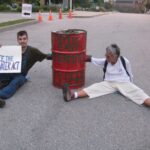
In a 2009 report for the Philadelphia Independent Media Center, Nastassja Noell documented escalating tensions in Pennsylvania, Ohio, and West Virginia over natural gas drilling. Residents described spills, road accidents, and regulatory failures involving Cabot Oil & Gas and Chesapeake Energy, while activist Joanne Fiorito criticized the Pennsylvania DEP for failing to monitor sites. As federal and state oversight faltered, some citizens turned to civil disobedience to defend land, air, and water.

Source: Philadelphia Independent Media Center (2009) Read More

U.S. (EPA): Elimination of Diesel Fuel in Hydraulic Fracturing Fluids Injected into Underground Sources of Drinking Water During Hydraulic Fracturing of Coalbed Methane Wells

U.S. (EPA): Elimination of Diesel Fuel in Hydraulic Fracturing Fluids Injected into Underground Sources of Drinking Water During Hydraulic Fracturing of Coalbed Methane Wells

The U.S. Environmental Protection Agency moved to eliminate the use of diesel fuel in hydraulic fracturing fluids without proper permitting under the Safe Drinking Water Act. Diesel contains benzene and other hazardous compounds. The policy signaled a tightening stance — a recognition that what goes downhole can travel in ways regulators once downplayed.

Source: U.S. Environmental Protection Agency (EPA) (2003) Read More

Marsh Fork Elementary: Journey Up Coal River | A Community and Strip Mining

Marsh Fork Elementary: Journey Up Coal River | A Community and Strip Mining

In West Virginia’s Coal River Valley, Marsh Fork Elementary sat downstream from a massive coal slurry impoundment — millions of gallons of mining waste held behind an earthen dam. Parents worried about what would happen if it failed. Students practiced evacuation drills. The story wasn’t abstract environmental policy; it was children attending school in the shadow of extraction.

Source: Aurora Lights (2015) Read More

October (2010)

Energy Policy Act of 2005

Energy Policy Act of 2005

The Energy Policy Act of 2005 reshaped U.S. energy law — offering incentives for domestic production while limiting certain federal oversight of hydraulic fracturing. The statute helped clear regulatory pathways for shale expansion. Years later, critics would point back to this legislation as a turning point in how the boom unfolded.

Source: U.S. Environmental Protection Agency (EPA) (2005) Read More

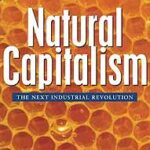
Natural Capitalism: The Next Industrial Revolution

Natural Capitalism: The Next Industrial Revolution

Natural Capitalism by Paul Hawken and Amory and Hunter Lovins argues that businesses can align profitability with ecological responsibility by valuing natural resources as essential capital. The authors propose applying market principles to environmental systems, showing that energy efficiency, resource conservation, and whole-systems thinking can drive innovation and long-term prosperity. First published a decade earlier, the book challenged conventional economics by demonstrating that environmental stewardship and competitive business success are not opposing goals but mutually reinforcing strategies.

Source: Earthscan (2010) Read More

Raul Grijalva’s MySpace Blog

Raul Grijalva's MySpace Blog

Congressman Raúl Grijalva used early social media platforms to challenge energy policy and call for stronger environmental oversight. In the late-2000s digital landscape, blogs and MySpace posts became tools for shaping public narrative — lawmakers speaking directly to constituents about drilling, climate, and regulatory reform.

Source: Raul Grijalva's MySpace Blog (2006) Read More

September (2010)

Obama Admin Rejects Timeout for Natural Gas Drilling in N.Y., Pa.

Obama Admin Rejects Timeout for Natural Gas Drilling in N.Y.

President Obama and federal officials declined calls to seek a temporary halt on Marcellus Shale drilling in the Delaware River Basin pending a cumulative environmental impact study, despite appeals from Rep. Maurice Hinchey and environmental advocates. The dispute exposed tensions between economic development and watershed protection, with critics arguing that comprehensive risk assessment should precede regulatory approval in order to safeguard the basin’s Special Protection Waters.

Source: The New York Times: Greenwire (2010) Read More

Stripping the West

Stripping the West

A portrait of extraction culture with wide-angle scope — land, minerals, money, and the conflicts that follow. The West is often sold as open space; this kind of work shows it as contested space. Leases, roads, rigs, and rights-of-way transform landscapes that once looked permanent. The hook is scale: not one well, but a pattern — and the social tension that arrives when an economy is built on removal.

Source: NOW with Bill Moyers (2002) Read More

ecorp USA

ecorp USA

ecorp USA positioned itself as a shale developer pursuing projects across multiple basins. As independent firms sought acreage and partnerships, shale development became a network of joint ventures and speculative capital as much as geology.

Source: ecorp Usa (2010) Read More

WATER | That Tap Water Is Legal but May Be Unhealthy

WATER | That Tap Water Is Legal but May Be Unhealthy

Water can meet federal standards and still carry risks. Investigations revealed that “legal” does not always mean safe, particularly where industrial activities stress aquifers. Residents confronting murky tap water and ambiguous assurances found themselves navigating a gray zone between compliance and public health.

Source: The New York Times (2009) Read More

Landman Report Card

Landman Report Card

The Landman Report Card, developed through MIT’s Center for Future Civic Media and the Oil and Gas Accountability Project, provided a platform for landowners to review oil and gas land agents negotiating mineral leases. Designed to counter misinformation and imbalance in early industry contact, the project aimed to strengthen community knowledge and transparency during the rapid expansion of shale drilling.

Source: Landman Report Card (2010) Read More

August (2010)

White linked to company in pollution probe

White linked to company in pollution probe

As Houston mayor and 2010 gubernatorial candidate, Bill White faced scrutiny over his $2.6 million compensation from BJ Services, a gas well servicing company under congressional investigation for potential groundwater contamination linked to hydraulic fracturing. Environmental advocates, including Sharon Wilson of Earthworks’ Oil & Gas Accountability Project, questioned the alignment between White’s environmental record and his ties to the drilling industry amid mounting concerns over diesel use and hazardous waste in fracking operations.

Source: The Houston Chronicle - Houston & Texas News | Chron.com (2010) Read More

Broad Scope of EPA’s Fracturing Study Raises Ire of Gas Industry

Broad Scope of EPA’s Fracturing Study Raises Ire of Gas Industry

As the EPA widened its inquiry into hydraulic fracturing’s impact on drinking water, industry voices warned of regulatory overreach. Environmental advocates countered that only a comprehensive study could address long-standing concerns about chemical disclosure, groundwater contamination, and cumulative risk. The debate signaled a turning point: fracking was no longer a regional issue but a national policy flashpoint.

Source: ProPublica (2010) Read More

Gasland | NOW on PBS

Gasland | NOW on PBS

When filmmaker Josh Fox lit his tap water on fire, the image ricocheted across the country. Gasland followed families living above new shale wells — bubbling faucets, tanker trucks, neighbors divided. Industry leaders rejected the film’s claims, but the footage stuck. The documentary transformed a regional drilling story into a national debate about water, power, and what happens when energy extraction moves into backyards.

Source: NOW on PBS (2010) Read More

Gas Drilling Discussion (Suggested Agenda for) : Biblical and Theological Considerations

Gas Drilling Discussion (Suggested Agenda for) : Biblical and Theological Considerations

As towns prepared for public hearings on gas drilling, suggested agendas circulated: groundwater testing, road use agreements, emergency response plans, health monitoring. The checklist reflected a growing realization — once drilling begins, decisions move quickly. Communities that wanted leverage had to prepare before the rigs arrived.

Source: Beach Lake United Methodist Church (2009) Read More

Delaware Riverkeeper Network

Delaware Riverkeeper Network

The Delaware Riverkeeper Network focused on protecting a watershed supplying drinking water to more than 15 million people across four states. As shale proposals edged toward the Delaware Basin, the organization challenged permits and pushed for basin-wide oversight. When water serves entire metropolitan regions, local drilling becomes a regional calculation.

Source: Delaware Riverkeeper Network (2009) Read More

Journey of the Forsaken

Journey of the Forsaken

“Journey of the Forsaken” traced communities left grappling with extraction’s aftermath — damaged roads, disputed leases, lingering health complaints. The title suggests abandonment: after the boom moves on, who remains to handle what’s left? In regions where wells decline and companies restructure, residents sometimes find themselves negotiating consequences alone.

Source: Journey of the Forsaken (2010) Read More

U.S. Environmental Protection Agency (EPA): Comment on the Draft Supplemental Environmental Impact Statement (dSGEIS) sent to the New York State Department of Environmental Conservation (DEC) during the public comment period closing 12/31/09.

U.S. Environmental Protection Agency (EPA): Comment on the Draft Supplemental Environmental Impact Statement (dSGEIS) sent to the New York State Department of Environmental Conservation (DEC) during the public comment period closing 12/31/09.

As the EPA advanced climate-related findings and regulatory steps, including endangerment determinations, greenhouse gas emissions from energy systems entered formal regulatory territory. The shift signaled that climate science was no longer advisory — it could trigger enforceable standards.

Source: U.S. Environmental Protection Agency (EPA) (2009) Read More

Models in ecosystem science

Ecosystem science relies on models — structured representations of complex biological and hydrological systems. In drilling debates, models estimate contamination pathways, habitat fragmentation, and long-term impacts. The quality of the model shapes the quality of the decision.

Source: Princeton University Press (2003) Read More

Dominion

Dominion

Dominion, a major energy infrastructure company, played a central role in transporting and processing natural gas through pipelines and storage systems. Extraction is only the first stage; without midstream infrastructure, production cannot reach markets. Pipelines redraw landscapes as surely as well pads.

Source: Dominion (2010) Read More

CalFrac Well Services

CalFrac Well Services

CalFrac Well Services supplied hydraulic fracturing crews and equipment, providing the technical muscle behind well completion. Service companies like CalFrac operate largely out of public view, yet their fleets of trucks and high-pressure pumps are the operational core of the shale revolution.

Source: Hydraulic Fracturing, Coiled Tubing, Acidizing, Nitrogen and C02 Services (2010) Read More

Barnett Shale Energy Education Council (BSEEC)

Barnett Shale Energy Education Council (BSEEC)

The Barnett Shale Energy Education Council positioned itself as a source of public information about drilling in North Texas, promoting economic benefits and regulatory compliance. Critics viewed the council as industry-aligned messaging during a period of mounting air quality and health concerns. In boom regions, education and advocacy often blur.

Source: Barnett Shale Energy Education Council (2010) Read More

Tennessee Gas Pipeline

Tennessee Gas Pipeline

The Tennessee Gas Pipeline system connects production fields to distant markets, underscoring that extraction is only part of the equation. Pipelines determine where gas flows — and which communities host compressor stations and right-of-way corridors. Infrastructure redraws maps.

Source: Tennessee Gas Pipeline (2010) Read More

Statoil

Statoil

Norway’s Statoil — majority-owned by the Norwegian state — expanded into U.S. shale during the boom, pairing offshore expertise with unconventional gas plays in formations like the Marcellus and Bakken. Backed by sovereign capital and a global portfolio, the company entered American drilling amid ongoing scientific and regulatory examination of whether the gas extraction method known as hydraulic fracturing — or fracking — poses hazards to groundwater drinking supplies. As development scaled, the groundwater question remained central to public debate.

Source: Statoil – a leading energy company in oil and gas production (2010) Read More

American Association of Petroleum Geologists

American Association of Petroleum Geologists

The American Association of Petroleum Geologists represents industry geoscientists, advancing research and technical understanding of subsurface formations. In the shale era, geological expertise underpinned claims of recoverable reserves and production potential, translating rock science into economic narrative.

Source: American Association of Petroleum Geologists (2010) Read More

EOG Resources

EOG Resources

EOG Resources emerged as a leading unconventional oil and gas producer, refining horizontal drilling and completion techniques across multiple basins. Technical innovation and capital discipline positioned EOG as one of shale’s major success stories — while still operating within evolving regulatory oversight.

Source: EOG Resources (2010) Read More

Cornell Cooperative Extension (CCE): Landowner Information

Cornell Cooperative Extension (CCE): Landowner Information

Cornell Cooperative Extension provided educational resources to landowners navigating gas lease offers, surface-use agreements, and royalty terms. In shale regions, access to clear, research-based guidance became essential as contracts multiplied.

Source: Cornell Cooperative Extension (CCE) (2010) Read More

Hydraulic Fracturing of Oil and Gas Wells

Hydraulic Fracturing of Oil and Gas Wells

A nuts-and-bolts explainer of the process: drilling, casing, perforation, high-pressure fluid, sand, and chemical additives — engineered force applied underground to release gas. It’s operational clarity in a debate that often floats above the mechanics. The hook here is not ideology — it’s process: how a well becomes productive, where failures can occur, and why “how it’s done” matters when water, cement, and pressure are the core ingredients.

Source: Earthworks (2010) Read More

Drilling Around the Law: Drinking Water Threatened by Toxic Natural Gas and Oil Drilling Chemicals

Drilling Around the Law: Drinking Water Threatened by Toxic Natural Gas and Oil Drilling Chemicals

This is where policy turns sharp: how legal carve-outs, jurisdictional gaps, and regulatory limits shape what companies must disclose and what agencies can enforce. The title itself signals the tension — not just drilling into rock, but drilling through legal frameworks. The hook is governance: who has authority, what gets exempted, what gets hidden, and how drinking water protection becomes a fight over statutes rather than only chemistry.

Source: Environmental Working Group (2009) Read More
Item added to cart.
0 items - $0.00