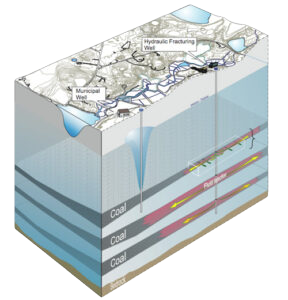
Earthworks’ Oil & Gas Accountability Project works with tribal, urban and rural communities to protect their homes and the environment from the devastating impacts of oil and gas development.
Since 1988, Earthworks has helped communities secure protections of their health, land, water, and air from extractive industries. We are the only national organization in the U.S. to focus exclusively on preventing the destructive impacts of the extraction of oil, gas, and minerals.
Earthworks protects communities and the environment from the adverse impacts of mineral and energy development while promoting sustainable solutions. We’re driven by our commitment to collaborate with communities on the frontline, using science in innovative ways, and building people power to ensure a more just and livable future.
Earthworks fights for clean air, water and land, healthy communities, and corporate accountability. We work for solutions that protect the Earth’s resources, our climate, and our communities.
Earthworks website, https://earthworks.org/about/
See also: Welcome to Earthworks. 26 May 2022. YouTube.
This charity’s score is 99%, earning it a Four-Star rating. If this organization aligns with your passions and values, you can give with confidence.
(Editor’s Note. 23 Dec 2023. Earthworks Oil and Gas Accountability Project has been one of the key influencers in demanding government oversight of extreme extractive processes. Although one its leading critics, the extremely conservative Capital Research Center and its “Influence Watch” Wikipedia style website has what appears to be a well documented article about Earthworks; it offers no real criticism of the organization. In the following ostensibly objective report, InfluenceWatch cites the 2004 EPA Report, debunked by experts and brought to the public’s attention by EPA whistleblower, Weston Wilson.
InfluenceWatch. Earthworks: Oil and Gas Accountability Project.
The Oil and Gas Accountability Project (OGAP) is a project of Earthworks which focuses on federal, state, and local reform to increase government regulation of the energy sector. OGAP focuses most of its advocacy in the American West, especially in New Mexico and Colorado, and promotes left-of-center energy policy, specifically against the conventional fuels industry.
…Oil and Gas Accountability Project focuses on fighting energy use by expanding government oversight and working to publish scientific reports and recommendations which encourage decreased fuel production. In the past fifteen years, eight states have adopted OGAP’s best practices for oil and gas regulation.
…On the federal level, OGAP is focused on closing purported “gaps” in federal regulation, specifically when it comes to natural gas extraction by hydraulic fracturing. Although OGAP insists that it is built on sound science, its demands for increasing fracking regulations run directly against a 2004 report from the Environmental Protection Agency, which concluded that fracking “poses little or no threat to drinking water.”
InfluenceWatch. Oil and Gas Accountability Project.
(Editor’s Note: continued. In 2017 the EPA under Trump administrator, Scott Pruitt announced its decision to not issue final regulations on its proposed regulations for financial responsibility requirements applicable to hardrock mining facilities that were published on January 11, 2017. This decision is based on the record for this rulemaking. This final rulemaking is the Agency’s final action on the proposed rule.
Scott Pruitt’s main qualifications as Donald Trump’s EPA Administrator were his ten lawsuits against the agency filed when he was Oklahoma’s Attorney General.
See also: Rachel Leven. A behind-the-scenes look at Scott Pruitt’s dysfunctional EPA. 9 Nov 2017. Center for Public Integrity.
Today’s EPA is wracked with internal conflict and industry influence, and is struggling to fulfill its mission, according to more than two dozen current and former agency employees.
Rachel Leven. A behind-the-scenes look at Scott Pruitt’s dysfunctional EPA. 9 Nov 2017. Center for Public Integrity.
Since being installed by Trump to lead the EPA in 2017, Pruitt has overseen the repeal or delay of dozens of environmental rules, including the Obama administration’s clean power plan, which sought to curb greenhouse gas emissions from coal-fired power plants.
See also: Oliver Milman. EPA head Scott Pruitt says global warming may help ‘humans flourish’. 7 Feb 2018. The Guardian.
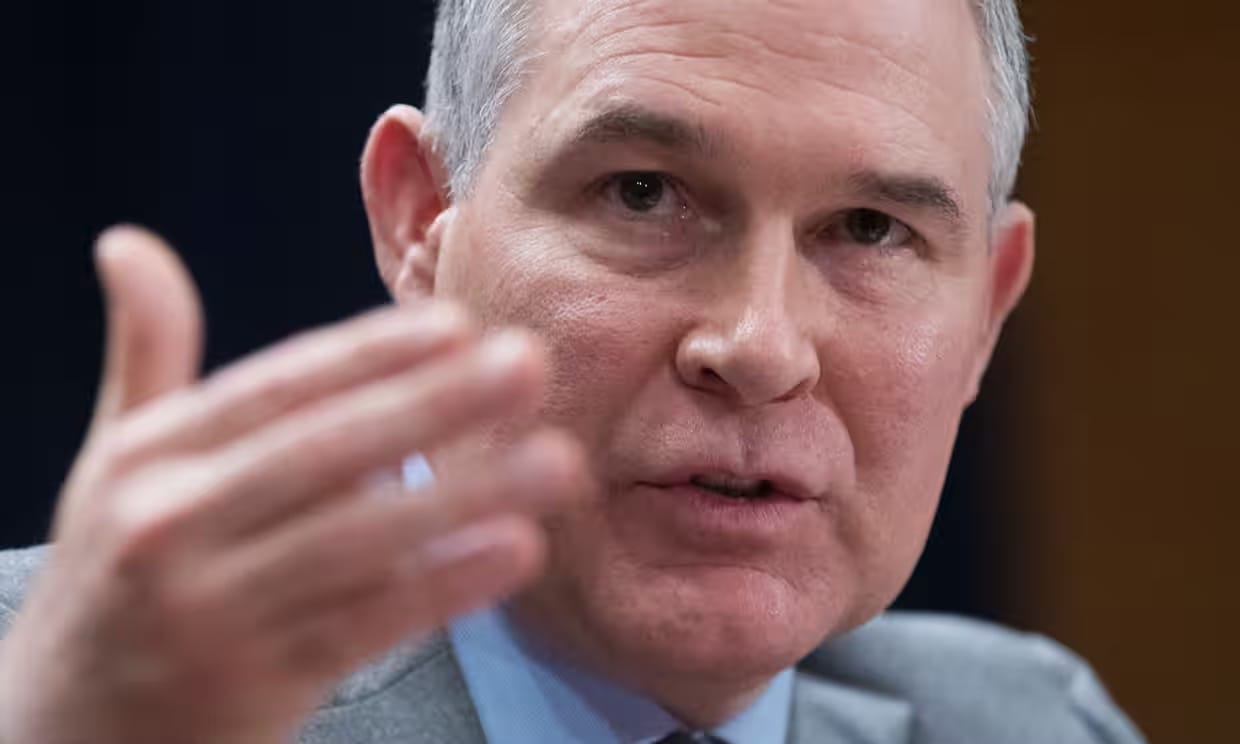
EPA administrator says ‘There are assumptions made that because the climate is warming that necessarily is a bad thing’.
Scott Pruitt, the head of the Environmental Protection Agency, has suggested that global warming may be beneficial to humans, in his latest departure from mainstream climate science.
Pruitt, who has previously erred by denying that carbon dioxide is a key driver of climate change, has again caused consternation among scientists by suggesting that warming temperatures could benefit civilization.
Oliver Milman. EPA head Scott Pruitt says global warming may help ‘humans flourish’. 7 Feb 2018. The Guardian.
Despite the best efforts of Earthworks, industry experts, scientists, and citizen fractivists, and many emotional public hearings, the EPA, since the Bush-Cheney days has proven to be reluctant to pursue regulations on mining and climate change.
See also: Jacob Holzman and Bill Holland. Like fracking under Obama, mining poised to grow during Biden years. 27 Jan 2021. S & P Global Market Intelligence.
From start to finish, the U.S. Environmental Protection Agency’s study of one facet of fracking — its potential threat to drinking water — took nearly six years and produced no real change in federal regulation of oil and gas fracking. As the shale boom gained steam, many raised concerns that the practice of injecting a cocktail of chemicals into the ground under high pressure represented a risk to drinking water supplies.
Public hearings in advance of the EPA study’s design showed sharply divided communities. Torn between quick cash from lease bonuses and production royalties and a lack of reliable information on fracking, neighbors in shale country praised and protested, in equal measure, the sea change occurring across their land.
EPA administrators repeatedly expressed concerns about the unknowns of fracking as their investigators reported tainted water discoveries near gas fields from Pavillion, Wyo., to Dimock, Pa. Still, Obama praised natural gas as the fuel of the future in several State of the Union speeches while natural gas production from shale wells quintupled. Even though New York banned fracking, Obama got the gas he needed to crush coal as a fuel for power while reducing U.S. carbon dioxide emissions.
No significant new federal regulations governing fracking and drinking water were developed.
Jacob Holzman and Bill Holland. Like fracking under Obama, mining poised to grow during Biden years. 27 Jan 2021. S & P Global Market Intelligence.
Earthworks and other organizations including Idaho Conservation League, Earthworks, Sierra Club, Amigos Bravos, Great Basin Resource Watch, and Communities for a better Environment filed a petition for review on 16 May 2018 to stop the EPA from undoing the rule set in place by the Obama Administration to regulate hard rock mining.)
ENVIRONMENTAL PROTECTION AGENCY 40 CFR Part 320 [EPA–HQ–SFUND–2015–0781; FRL–9971– 50–OLEM] RIN 2050–AG61. Financial Responsibility Requirements Under CERCLA Section 108(b) for Classes of Facilities in the Hardrock Mining Industry. Federal Register. Vol. 83. No. 35. Wednesday, February 21, 2018/Rules and Regulations.
See also: Samantha Page. New EPA head takes action delaying a mining clean-up rule. 27 Feb 2017. ThinkProgress.
In one of his first acts of business, Environmental Protection Agency Administrator Scott Pruitt directed his new staff to delay a initiative that would require mining companies to prove they can clean up after themselves.
The order would require companies to prove they will be able to clean up the damage caused by routine mining activities. The order is an effort to reduce liability to taxpayers and improve environmental practices at mines.
But mining interests — such as coal companies — have fiercely objected to the Obama-era proposal, which was developed after environmental groups sued for better enforcement of Superfund regulations. Pruitt on Friday delayed consideration of the order for an additional four months.
“It appears the new EPA administrator is already favoring industry over public interest with this delay,” Earthworks’ Bonnie Gestring told the Associated Press…
Samantha Page. New EPA head takes action delaying a mining clean-up rule. 27 Feb 2017. ThinkProgress.
(Editor’s Note continued: See also: Earthworks. Statement on New Mexico Environment Department’s hire of former Earthworks Energy Director Bruce Baizel. 21 Dec 2020. Earthworks.
Background: On December, 11th, the New Mexico Environment Department (NMED) and the Office of Natural Resources Trustee welcomed former Earthworks Energy Director Bruce Baizel to the role of Legal Director.
Statement by Earthworks Executive Director Jennifer Krill:
“I have seldom worked with anyone who has the quiet power, wisdom, and integrity as Bruce has embodied in his career. For nearly two decades, Bruce has helped to shape and guide Earthworks with pragmatism and conviction. Thanks in large part to his leadership, the regional organization he joined in 2003, the Oil and Gas Accountability Project, has grown into Earthworks’ Energy Program advocating for people and communities across the United States and around the world.
“Bruce’s deep knowledge of the actual consequences of oil and gas extraction on air, water, land, and people–as well as the legal structures that govern how we protect, or fail to protect, it all–is unparalleled.
“The people of New Mexico are lucky to have a Legal Director at the New Mexico Environment Department who sincerely cares about what happens to people and the future of energy in the Land of Enchantment. He is a man who believes that energy policies can and should ensure justice and fairness to everyone. We need more people like Bruce Baizel in places like this in state government.”
Earthworks. Statement on New Mexico Environment Department’s hire of former Earthworks Energy Director Bruce Baizel. 21 Dec 2020. Earthworks
(Archived) Bruce Baizel, Senior Staff Attorney for the Oil & Gas Accountability Project (OGAP), a program of Earthworks, presented testimony to the City of New York, concerned about its water supply in 2008.
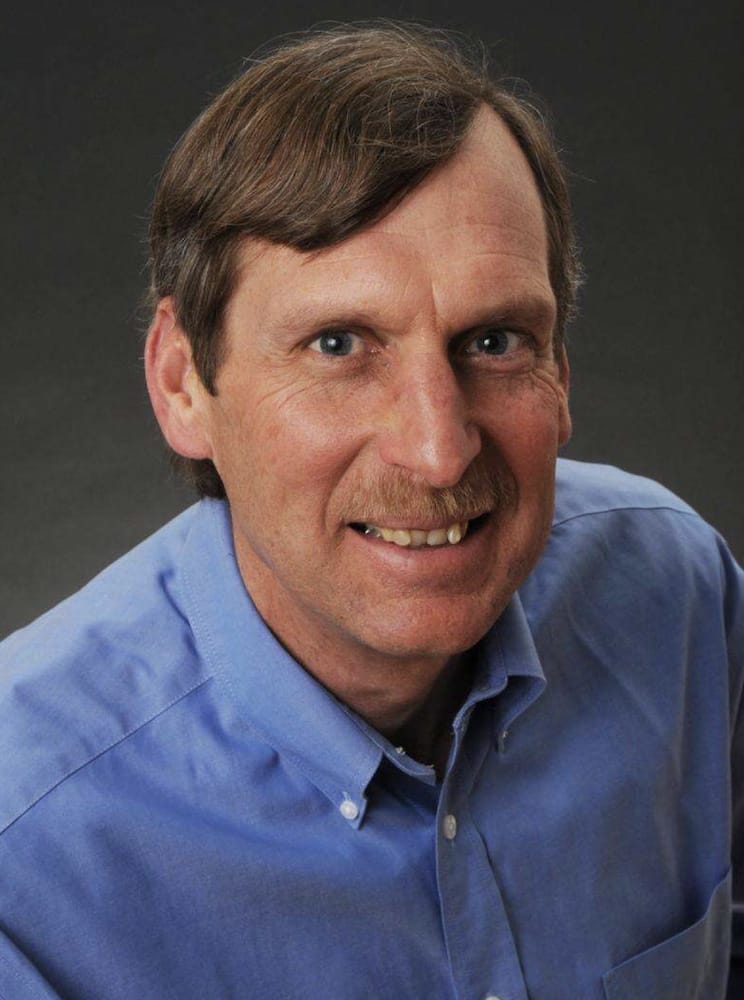
Thank you for the opportunity to present testimony related to Natural Gas Drilling in the New York City Drinking Water Watershed. I am the Senior Staff Attorney for the Oil & Gas Accountability Project (OGAP), a program of Earthworks. Our mission is to work with communities to address and reduce the impacts of oil and gas development.
My testimony is based upon OGAP’s experience with oil and gas development during the past decade. In particular, I am drawing upon my experience as an appointed member of the New Mexico Governor’s Pit Rule Task Force, OGAP’s formal participation in three sets of state rulemakings covering all aspects of oil and gas development over the past 3 years and OGAP’s development of, and support for, successful surface owner protection legislation in Colorado and New Mexico.
In addition, my testimony draws upon OGAP staff research and involvement in EPA processes regarding coalbed methane development and hydraulic fracturing. During this involvement, OGAP staff prepared Our Drinking Water at Risk (2005) and The Oil and Gas Industry’s Exclusions and Exemptions to Major Environmental Statutes (2007).
We have also produced the Oil and Gas at Your Door? A Landowner’s Guide to Oil and Gas Development (2nd Ed., 2005), the preeminent guide for landowners facing the prospect of oil and gas development on their land. Finally, in response to numerous inquiries from individuals, organizations and local governments, OGAP produced Marcellus Gas Shale – A Report (2008) earlier this year, which discusses what can be expected from gas development in the Marcellus shale.
My testimony will first address the three main risks to water posed by gas development: well drilling and production, hydraulic fracturing and transportation of fluids to and from the wellsite. I will then briefly describe some specific incidents that illustrate these risks in a number of different states. Then, I will briefly discuss the current New York regulations most applicable to the risks associated with gas development. Finally, I will present some of the approaches that other municipalities and states have developed to try to address these risks.
II. Contamination Risks to Water from Gas DevelopmentIt is important to keep in mind that gas development is an industrial activity. The operations associated with gas development, no matter where they take place, generally follow a similar pattern of scope and intensity. It is also important to keep in mind that gas development will take place over a 20 to 30 year time frame. It is not a simple, once in and out kind of operation, particularly in the case of the Marcellus shale.
There are a number of potential environmental and public health impacts associated with each stage of gas development – exploration, drilling, production, treatment of the gas, and plugging and abandonment of wells. These impacts include loss of land value due to surface disturbance, contamination of ground and/or surface waters, human or animal health effects related to ground and/or surface water contamination, erosion or sedimentation, loss of wildlife habitat, and air and soil degradation.
Based upon experience with gas development elsewhere, the most important risks from the perspective of protecting the New York City water supply are those that might result in the release of hydrocarbons and other contaminants to the land surface, into soils and groundwater or into surface waters. Releases of these contaminants may occur in a single event, such as a spill, or over longer periods of time, through seepage from drilling or fracturing pits, or from slow leaks in pipes and storage tanks. Spills are the most common type of release and may be small or large in volume.
These spills and seepage result from human error, equipment failure, transportation accidents, improperly designed containment facilities, vandalism, or natural phenomena, such as floods or storm events. These releases and subsequent contamination are not just theoretical, but are real events that have been documented across the gas fields of the United States today. For example, New Mexico has experienced significant impacts to its water resources from oil and gas development. Between 1992 and 2000, the New Mexico Oil Conservation Division (OCD) documented over 700 groundwater contamination events due to oil and gas development.1
As a consequence, New Mexico has recently completed a revision of its rules related to drilling and fracturing fluids and how oil and gas wastes are handled following the completion of a well. The experience in New Mexico has led to a far stronger emphasis in regulation on prevention of the risks of contamination, and a shifting of the liability and cost of contamination from the public to the gas company.
Bruce Baizel, Senior Staff Attorney for the The Oil and Gas Accountability Project Testimony presented to the Committee on Environmental Protection, Council of the City of New York September 10, 2008.
See also: Patrick Reis. NYT. Oct. 6, 2010. “W.Va. Sues Obama, EPA Over Mining Coal Regulations.”
West Virginia, at the direction of Democratic Gov. Joe Manchin, sued the Obama administration today to overturn new federal rules on mountaintop removal mining.
The lawsuit, filed by the state Department of Environmental Protection, accuses U.S. EPA of overstepping its authority and asks the U.S. District Court for the Southern District of West Virginia to throw out the federal agency’s new guidelines for issuing Clean Water Act permits for coal mines.
Patrick Reis. NYT. Oct. 6, 2010. “W.Va. Sues Obama, EPA Over Mining Coal Regulations.”
See also: Wiseman, Hannah J. “Untested Waters: The Rise of Hydraulic Fracturing in Oil and Gas Production and the Need to Revisit Regulation.” Fordham Environmental Law Review 20 (2009): 115-170.
As the hunt for important unconventional gas resources in America expands, an increasingly popular method of wringing resources from stubborn underground formations is a process called hydraulic fracturing – also described as hydrofracturing, fracking, or fracing – wherein fluids are pumped at high pressure underground to fracture a formation and release trapped oil or gas.
Wiseman, Hannah J. “Untested Waters: The Rise of Hydraulic Fracturing in Oil and Gas Production and the Need to Revisit Regulation.” Fordham Environmental Law Review 20 (2009): 115-170.
See also: Horwitt, Dusty. “Drilling Around the Law: Drinking Water Threatened by Toxic Natural Gas and Oil Drilling Chemicals”. Environmental Working Group, 2009.
View and Download the report here: Drilling Around the Law
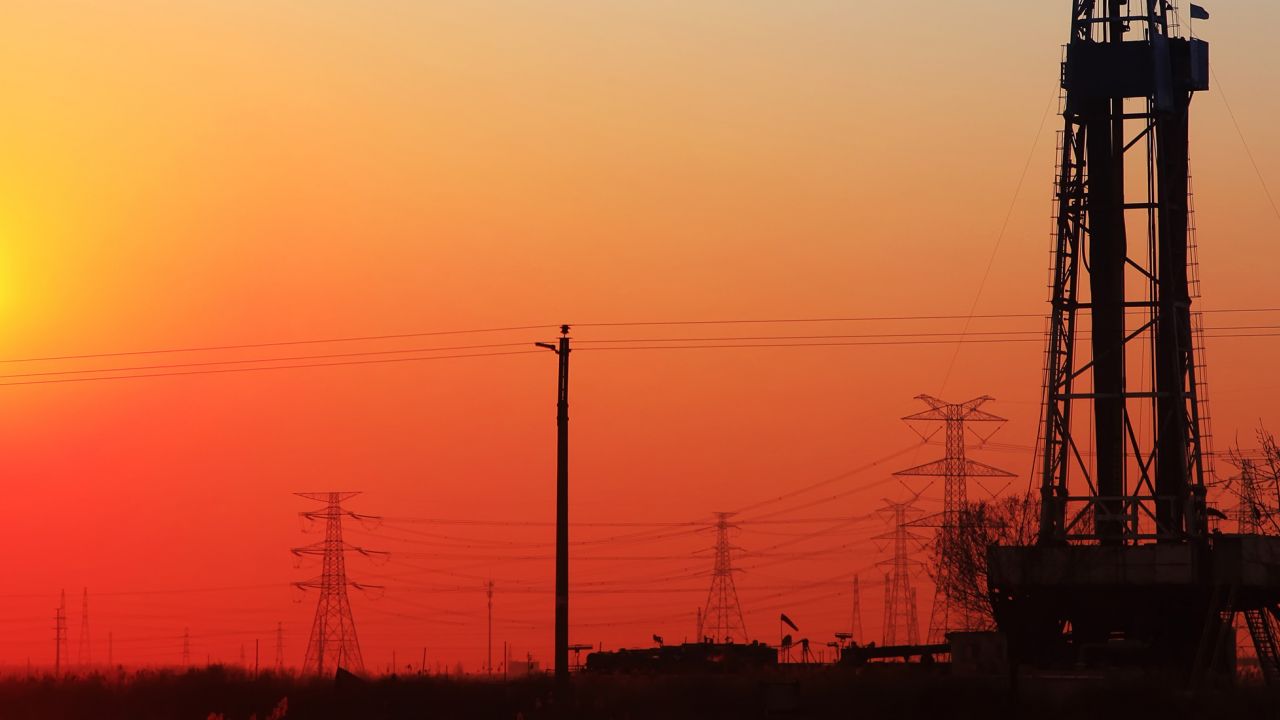
Companies that drill for natural gas and oil are skirting federal law and injecting toxic petroleum distillates into thousands of wells, threatening drinking water supplies from Pennsylvania to Wyoming. Federal and state regulators, meanwhile, largely look the other way.
Horwitt, Dusty. “Drilling Around the Law: Drinking Water Threatened by Toxic Natural Gas and Oil Drilling Chemicals”.Environmental Working Group, 2009.
See: Expert Testimony on Hydraulic Fracturing Impacts, John D. Bredehoeft
See: U.S. Environmental Protection Agency (EPA): Weston Wilson Whistle Blower Letter
See: Editorial – The Halliburton Loophole – NYTimes.com
See: Natural Gas Industry Shills Use the Media to Mislead the Public – Here’s How to Spot Them
See: Energy in Depth – SourceWatch
See: Energy & Commerce Committee Investigates Potential Impacts of Hydraulic Fracturing
See: Coalbed Methane Development: The Costs and Benefits of an Emerging Energy Resource
See: U.S. Environmental Protection Agency (EPA): Weston Wilson Whistle Blower Letter
See: NETL: Secure & Reliable Energy Supplies
See: Energy Policy Act of 2005-Critique
See: This Website is a Crash Course In Fracking
See: Affirming Gasland
See: Marcellus-Shale.us: Our look at the Halliburton Loophole – 2005 Energy Act
See: Fueling Washington
See: Ceres Principles – Corporate Environmental Conduct
See: The top five stories of the year [2010] for climate hawks
See: U.S. Speaker Nancy Pelosi: The Gavel: Draining The Swamp
See: Marcellus Shale Coalition
See: Gasland – The Debate
See: Dish Mayor Calvin Tilman Testifies at Railroad Commission – Oil and Gas Lawyer Blog
See: Health Issues Follow Natural Gas Drilling In Texas