The Clean Water Act (CWA) is the primary federal law in the United States governing water pollution. Its objective is to restore and maintain the chemical, physical, and biological integrity of the nation’s waters; recognizing the responsibilities of the states in addressing pollution and providing assistance to states to do so, including funding for publicly owned treatment works for the improvement of wastewater treatment; and maintaining the integrity of wetlands.[2]
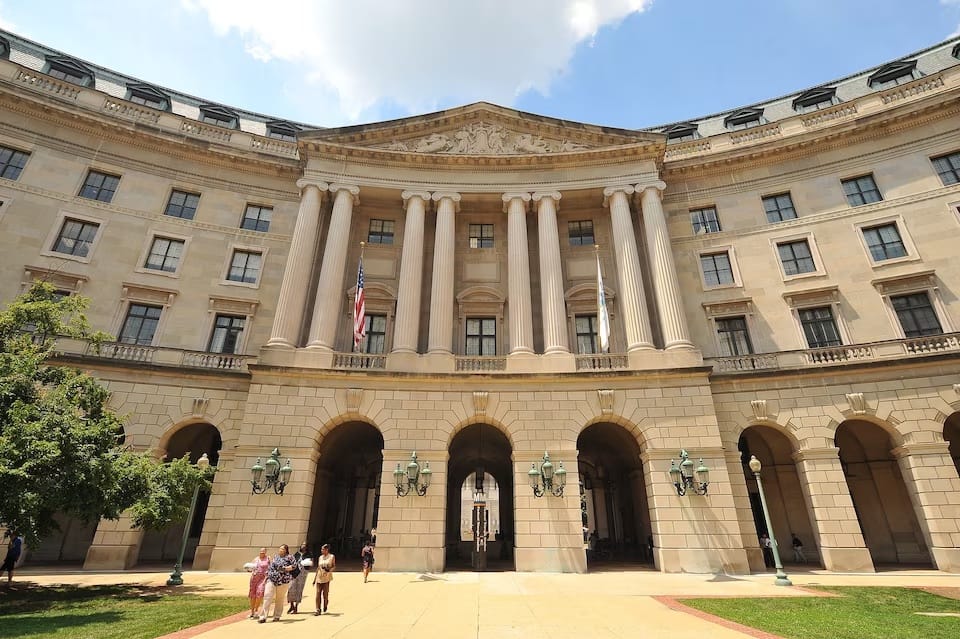
The Clean Water Act was one of the United States’ first and most influential modern environmental laws. Its laws and regulations are primarily administered by the U.S. Environmental Protection Agency (EPA) in coordination with state governments, though some of its provisions, such as those involving filling or dredging, are administered by the U.S. Army Corps of Engineers. Its implementing regulations are codified at 40 C.F.R. Subchapters D, N, and O (Parts 100–140, 401–471, and 501–503).
Technically, the name of the law is the Federal Water Pollution Control Act.[3] The first FWPCA was enacted in 1948, but took on its modern form when completely rewritten in 1972 in an act entitled the Federal Water Pollution Control Act Amendments of 1972.[4][1] Major changes have subsequently been introduced via amendatory legislation including the Clean Water Act of 1977[5] and the Water Quality Act (WQA) of 1987.[6]
The Clean Water Act does not directly address groundwater contamination. Groundwater protection provisions are included in the Safe Drinking Water Act, Resource Conservation and Recovery Act, and the Superfund act.
Wikipedia: Clean Water Act
See also: U.S. EPA (Environmental Protection Agency). Water Enforcement. 9 Jun 2023.
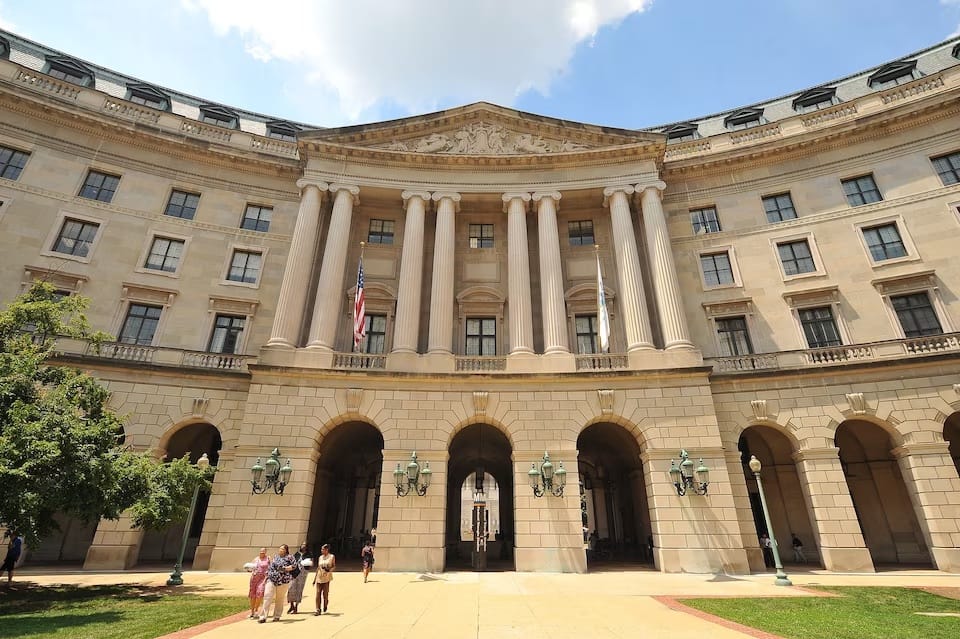
EPA enforces requirements under the Clean Water Act (CWA) and Safe Drinking Water Act (SDWA). For more on EPA’s enforcement process, go to basic information on enforcement.
See also: Safe Drinking Water Act Compliance Monitoring and Assistance
EPA works with its federal, state and tribal regulatory partners through a comprehensive Safe Drinking Water Act compliance monitoring program to protect human health and the environment by ensuring that the regulated community obeys environmental laws/regulations through on-site visits by qualified inspectors, and a review of the information EPA or a state/tribe requires to be submitted.
Underground Injection Control
This website contains information for owners and operators of injection wells, regulators, and the public about safe injection well operations to prevent the contamination of underground sources of drinking water.
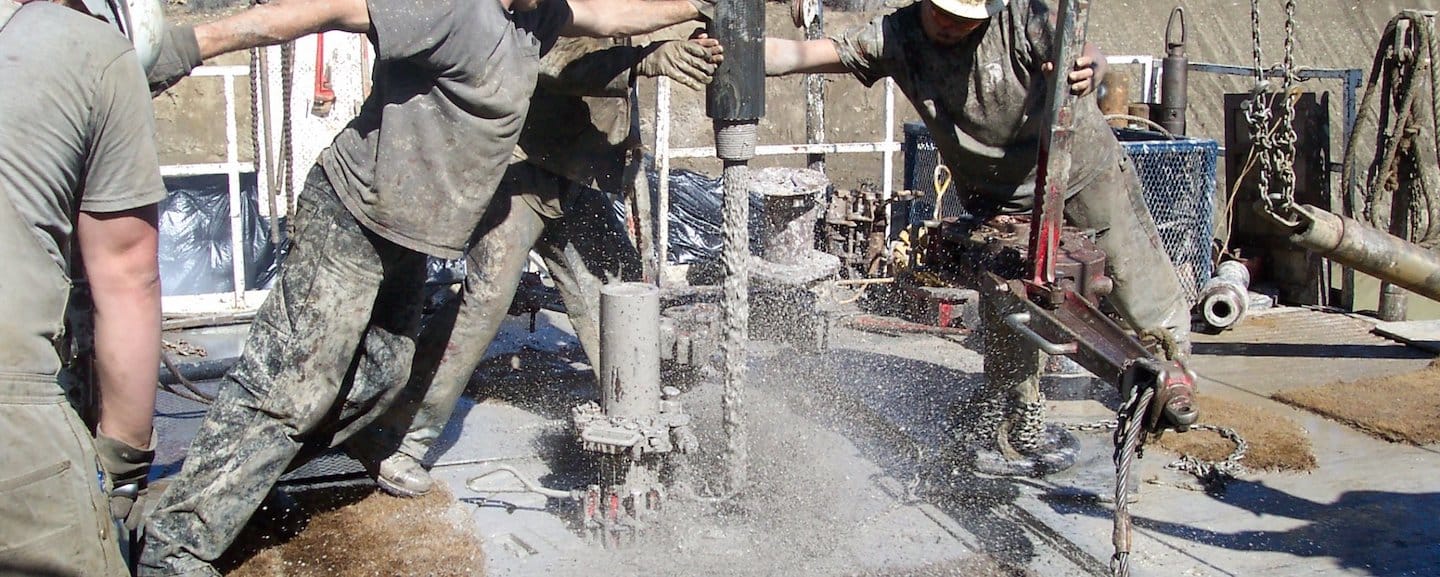
EPA has program requirements for permitting underground injection of diesel fuels in hydraulic fracturing to ensure protection of underground sources of drinking water (USDWs). Learn more about the permitting requirements.
Underground injection is the technology of placing fluids underground into porous formations of rocks through wells or similar conveyance systems. The Underground Injection Control (UIC) program regulates the construction, operation, permitting and closure of injection wells. It is designed to ensure that underground injection wells do not endanger any current and future underground sources of drinking water (USDWs). EPA’s and states’ primary means of monitoring UIC compliance with SDWA and its implementing regulations is by inspecting for compliance with permit conditions on-site at UIC facilities.
See underground injection control program information for the types and purposes of injection wells and for guidance on injection well construction and operation to prevent contamination of underground drinking water resources.
See also: Clean Water Act / Safe Drinking Water Act Intersection
See also: NACWA (National Association of Clean Water Agencies). Clean Water Act / Safe Drinking Water Act Intersection. (Formerly called Association of Metropolitan Sewerage Agencies)
National Association of Clean Water Agencies (NACWA) represents the interests of publicly owned wastewater treatment facilities, collection systems, and stormwater management agencies before the United States Congress, several Federal agencies, and in the courts. National Association of Clean Water Agencies advocates for federal funding for clean water agencies and for responsible national policies that advance clean water and a healthy environment.
Wikipedia: National Association of Clean Water Agencies
The intersection between the Safe Drinking Water Act (SDWA) and the Clean Water Act (CWA) is a dominant factor in many of NACWA’s current advocacy priorities, demonstrating the importance of managing water holistically. The statutes serve two important but distinct purposes that are accomplished through different means. The CWA focuses on protecting the quality of navigable water by ensuring they are fishable and swimmable, while the SDWA focuses on public health and source water protection. Although these goals are not at odds, the statutes do not always work in harmony. In fact, they have been in conflict more and more in recent years.
The Clean Water Act and Groundwater
The potential for overlapping statutory mandates for discharges that reach groundwater is also currently a major issue of concern. Utilities and projects permitted under the SDWA may be affected by recent judicial decisions extending CWA liability to intentional discharges – e.g., water reuse – and unintentional releases – e.g., leaks from drinking water pipes and wastewater collection systems – of pollutants that enter CWA jurisdictional surface waters via groundwater.
See also: ASDWA (Association of State Drinking Water Associations). CWA-SDWA Coordination. 2021.
Clean Water Act and Safe Drinking Water Act (CWA-SDWA) Coordination can help improve source water quality and public health protection, and help achieve watershed goals. Efforts to reduce contamination of drinking water sources can protect aquatic life, provide benefits for recreation, and protect public health from the consumption of contaminated fish. In addition, using the CWA to develop Ambient Water Quality Criteria that are protective of aquatic life can also lead to the protection of a public water supply use.
From ASDWA: Find information about existing collaboratives near you
REGIONAL/WATERSHED COLLABORATIVES
- Catawba-Wateree Initiative (NC, SC)
- Christina Basin Clean Water Partnership
- Clackamas River Water Providers (OR)
- Hamilton-New Baltimore Consortium (OH)
- Idaho Washington Aquifer Collaborative
- Lower Umatilla Basin Groundwater Management Area Committee (OR)
- Lower Yakima Valley Groundwater Management Area Advisory Committee (WA)
- Municipal Authority of Westmoreland County Source Water Protection Program (PA)
- New England Watershed Managers Collaborative
- Potomac Drinking Water Source Protection Partnership (DC, MD, PA, VA, WV)
- Rogue Drinking Water Partnership (OR)
- Salmon Falls Watershed Collaborative (ME/NH)
- Savannah River Clean Water Fund (SC/GA)
- Schuylkill Action Network Collaborative (PA)
- Sebago Clean Waters (ME)
- Source Water Protection in the Ohio River
- The Lower Susquehanna Source Water Protection Partnership (PA)
- Triple Divide Watershed Coalition (PA)
- Upper Big Goose Creek Watershed Control Program (WY)
- Upper and Middle James Riparian Consortium (VA)
- Upper Mississippi River Source Water Protection Project (MN)
- Upper Sacramento, McCloud, and Lower Pit Rivers Regional Water Management Group (CA)
- Watershed Wildfire Protection Group (CO)
STATE COLLABORATIVES
- Arkansas Forests and Drinking Water Collaborative
- Colorado Source Water Protection
- Connecticut Source Water Collaborative
- Idaho Source Water Protection Collaborative
- Iowa Source Water Agricultural Collaborative
- Minnesota Source Water Protection Collaborative
- Nebraska Wellhead Protection Network
- North Carolina Source Water Collaborative
- Ohio Balanced Growth Program
- Texas Partnership for Forests and Water
LOCAL COLLABORATIVES
- Berks County Water and Sewer Association (PA)
- Eastern Lancaster County Source Water Collaborative (PA)
- Iowa Source Water Protection Efforts
- Safe Water Conservation Collaborative (WV)
Examples of Collaboration in Conservation
- Indiana (Wellhead protection)
- Iowa (Little River Lake)
- New Hampshire/Maine (Salmon Falls Watershed)
- Minnesota
- North Carolina
- Pennsylvania (Maiden Creek Watershed)
See: What broke the Safe Drinking Water Act?
See: Buried Secrets: Is Natural Gas Drilling Endangering U.S. Water Supplies?
See: Fracked: Barnett Shale drilling chemicals found in blood and organs
See: Coalbed Methane Development: The Costs and Benefits of an Emerging Energy Resource
See: Expert Testimony on Hydraulic Fracturing Impacts
See: Under the surface : fracking, fortunes and the fate of the Marcellus Shale
See: Model validation : perspectives in hydrological science
See: Fueling Washington
See: The Next Drilling Disaster?
See: Natural Gas Industry Shills Use the Media to Mislead the Public – Here’s How to Spot Them
See: This Website is a Crash Course In Fracking
See: Affirming Gasland
See: U.S. Environmental Protection Agency (EPA): Weston Wilson Whistle Blower Letter
See: NETL: Secure & Reliable Energy Supplies
See: EPA Findings on Hydraulic Fracturing Deemed “Unsupportable”
See: Coalbed Methane Development: The Costs and Benefits of an Emerging Energy Resource
See: Underground Injection of Gas Industry Brine Taking Off – State Journal – STATEJOURNAL.com