93 documents

2024

December (2024)

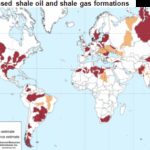
World of Shale

World of Shale

FracTracker Alliance is a Pennsylvania-based nonprofit that maps, analyzes, and communicates data on oil, gas, and petrochemical development. Founded in 2010, the organization provides state-by-state drilling maps, pipeline tracking tools, and thematic analyses to advance public understanding of hydraulic fracturing and its impacts. FracTracker connects environmental data with policy, public health, and climate concerns, offering interactive maps and research resources that situate shale development within both national and international contexts.

Source: Fractracker Alliance (2010) Read More


2013

January (2013)

Chesapeake Energy Flares Barnett Shale Gas Well in Trinity Trail

Chesapeake Energy Flares Barnett Shale Gas Well in Trinity Trail

Reports documented Chesapeake Energy flaring natural gas at Barnett Shale wells — burning off excess production when pipeline capacity or market conditions limited transport. Flaring reduces immediate pressure but raises questions about waste, emissions, and infrastructure readiness during rapid expansion.

Source: YouTube (2009) Read More

Loud and Clear | Rich Pricks and Poor Schmucks

Loud and Clear | Rich Pricks and Poor Schmucks

You saw it on ‘Earth To America!’, now see it here. An Inconvenient Truth? The Blue Man Group really gets the message across loud and clear with this great video. Can you hear?

Source: YouTube | Earth to America (2006) Read More

Train

Train

A television commercial about global warming from Environmental Defense and the Ad Council. 11 Apr 2007.

Source: YouTube (2006) Read More

Hubbert Clip

Hubbert Clip

1976 video clip of M King Hubbert speaking about world oil depletion and explaining the concept of peak oil.

Source: YouTube (2007) Read More

SkyTruth: Upper Green River Valley – A View From Above

SkyTruth: Upper Green River Valley - A View From Above

Using the latest in satellite imagery, aerial photography, and Google Earth technology, this ten minute SkyTruth video explores the environmental impacts of gas and oil drilling in the Upper Green River Valley, an ecologically sensitve area of western Wyoming.

Source: YouTube (2007) Read More

Before/After Drilling

Before/After Drilling

A slow, simulated time-lapse portrays the transformation of the pristine Delaware watershed before and after gas drilling. The visual meditation underscores what communities fear losing: clean water, scenic beauty, and ecological balance.

Source: YouTube (2008) Read More

Don’t Give Up

Don't Give Up

A dark, moody animation that children may not like to watch. A monkey, polar bear and kangaroo kill themselves because their world is ruined. TV Spot created by McCann Erickson Portugal.

Source: YouTube (2008) Read More

Flow – The War Between Public Health and Private Interests

Flow - The War Between Public Health and Private Interests

FLOW: For Love of Water, directed by Irena Salina, investigates the global water crisis and the privatization of freshwater resources. Featuring interviews with scientists, activists, and policy experts, the documentary explores water scarcity, pollution, and corporate control of municipal water systems. The film raises questions about water as a public trust versus a market commodity, while highlighting grassroots movements and policy efforts advocating for equitable access.

Source: Environment and Society (2008) Read More

PA Gas Rush

PA Gas Rush

Learn how new drilling technology and rising fuel prices are driving the natural gas rush in Pennsylvania’s Marcellus Shale—a 6,000 foot deep rock formation which has the potential to fuel the entire country for two full years.

Source: YouTube (2008) Read More

Poison Fire

Poison Fire

If you plan to stop by these woods on a snowy evening bring some marshmallows and expect an evening sunburn. There’s a chance your treats will be toxic.

Source: YouTube (2008) Read More

Polar Bears

Polar Bears

Public service announcement (PSAs) designed to urge Americans to take advantage of mass transit, carpooling and biking to combat global warming.

Source: YouTube (2008) Read More

Barnett Shale: An Aerial View

Barnett Shale: An Aerial View

A drilling rig operating for 3 months has the same impact as a city of 4,000 people—water use, solid waste generation, air emissions and traffic.

Source: YouTube (2009) Read More

CattleDrinkDrillingWaste

CattleDrinkDrillingWaste

This video shows Texas Black Angus cattle drinking from drilling sludge pits at two different drilling sites in Denton County. I have witnessed cattle drinking from sludge pits regularly over the past few years.

Source: YouTube (2009) Read More

Chevron Human Energy Stories | Addressing Climate Change

Chevron Human Energy Stories | Addressing Climate Change

Jonathan McIntoshs’ Remix Video is a critical and transformative work that constitutes a Fair Use in accordance with Title 17 U.S.C. Section 107. Source footage from Chevron TV ads, US Army ad, BBC News, Future Weapons, CSI and several other short clips recorded off television.

Source: YouTube (2009) Read More

DEC Fracks NYC & Josh Fox of Water Under Attack’s Responds

DEC Fracks NYC & Josh Fox of Water Under Attack's Responds

Filmmaker Josh Fox of WaterUnderAttack.Com shows America how to speak truth to power, and leads us in the required revolution. “I know this is a farce, ” he tells DEC at the public hearing they are required to do before shoving this crap down our throats. “You didn’t listen to us before and you probably won’t listen to us again. But we are willing to engage in civil disobedience.”

Source: YouTube (2009) Read More

Dimock Natural Gas Drilling

Dimock Natural Gas Drilling

Natural gas drilling in the Marcellus Shale Formation is threatening our health, and our water quality. Local resident gives her account of drilling in her community.

Source: YouTube (2009) Read More

Haynesville Shale Natural Gas Fracturing Job

Haynesville Shale Natural Gas Fracturing Job

Paul Bison: Nobody in the section, in the neighborhood is gonna ever benefit unless somebody lets ’em drill and when we leased three years ago, we knew what it was for, we took the money and now it’s time for somebody to step up to the plate and help em let it happen.

Source: YouTube (2008) Read More

American Petroleum Institute

American Petroleum Institute

Critics and investigative reports have accused the American Petroleum Institute (API) of advancing climate change denial and working to block climate legislation in defense of its constituent interests. The organization serves as the principal trade association for the U.S. oil and gas industry, shaping regulatory advocacy and public messaging on behalf of member companies. API has defended hydraulic fracturing as safe when properly regulated and has opposed expanded federal oversight that could alter the industry’s operating framework, placing the trade group at the center of national energy policy battles.

Source: API (2010) Read More

Ignitable Drinking Water in Candor, NY, Above Marcellus Shale

Ignitable Drinking Water in Candor

This video documents a well in Candor, NY—above the Marcellus Shale—where drinking water can be ignited, raising urgent questions about regulatory oversight and underground contamination (Spill #0811696). Referencing Walter Hang’s 2010 letter to the NYS DEC and watchdog reports criticizing decades of insufficient enforcement, the footage situates the incident within a broader pattern of state-level regulatory failure and mounting public protest.

Source: YouTube (2009) Read More

Reporter’s Notebook: Hydraulic Fracturing

Reporter's Notebook: Hydraulic Fracturing

Anecdotal evidence has been criticized by Gas Industry advocates in the debate over the inadequately funded EPA study. There have been many anecdotal reports of fouled wells and air pollution, unknown risks to chemical exposure and hydrogen sulfide, and methane leaking from gas compressors captured on infrared film.

Source: YouTube (2009) Read More

Beware The Green Dragon! | Right Wing Watch

Beware The Green Dragon! | Right Wing Watch

Beware The Green Dragon! | Right Wing Watch seeks to expose how the “radical environmental” environmental movement is out to control the world and destroy Christianity.

Source: People for the American Way | Right Wing Watch (2010) Read More

Deep Down | Film on Mountaintop Mining | PBS

Deep Down | Film on Mountaintop Mining | PBS

Beverly May and Terry Ratliff grew up like kin on opposite sides of a mountain ridge in eastern Kentucky. Now in their fifties, the two find themselves in the midst of a debate dividing their community and the world: who controls, consumes, and benefits from our planet’s shrinking supply of natural resources?

Source: Independent Lens | PBS (2010) Read More

Earth Day: Give Earth a Hand

Earth Day: Give Earth a Hand

Tides Foundation is proud to present The Story of Stuff — a 20-minute, fast-paced, fact-filled look at the underside of our production and consumption patterns that calls us together to create a more sustainable and just world.

Source: YouTube | Greenpeace (2010) Read More
Encana Fracking Cake for Kids – A Look Underground

Encana Fracking Cake for Kids - A Look Underground

A recent company event provided an opportunity for one of our engineers to educate children about natural gas development. Parents and educators often ask us for industry material to use with this audience so we made this video in the spirit of creativity.

Source: YouTube (2010) Read More

Gasland Trailer 2010

Gasland Trailer 2010

Directed by Josh Fox. Winner of Special Jury Prize – Best US Documentary Feature – Sundance 2010. Screening at Cannes 2010. Nominated for 2011 Academy Award – Best Documentary Feature.

Source: YouTube (2010) Read More
Myth Busting | The Marcellus: An American Travesty

Myth Busting | The Marcellus: An American Travesty

MarcellusProtest.org served as an information hub for grassroots opposition to shale gas drilling in Pennsylvania and beyond. Emerging from local demonstrations, the movement connected activists, events, and resources across the Marcellus region while critiquing industry narratives. Participants later formed coalitions such as Protect Our Parks to resist drilling in public lands. The site documented how regional organizing built enduring activist networks that continued influencing environmental campaigns long after initial protests concluded.

Source: YouTube | "The Marcellus: An American Renewal" (2010) Read More
Shell Oil Company

Shell Oil Company

Shell USA, Inc. (formerly Shell Oil Company, Inc.) is the United States–based wholly owned subsidiary of Shell plc, a UK-based transnational corporation “oil major” which is among the largest oil companies in the world. It is reported that Royal Dutch Shell Plc agreed to buy closely held East Resources Inc., for about $5 billion.

Source: Wikipedia, the free encyclopedia (2010) Read More

Sixty Lame Minutes

Sixty Lame Minutes

Aubrey McClendon of Chesapeake Energy blamed “Congressional apathy” for coal’s price advantages. Photo: F. Carter Smith/Bloomberg News

Source: Post Carbon Institute | Leading the transition to a resilient world (2010) Read More
Smitsky Letter

Smitsky Letter

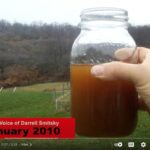
Narrated by Virginia Smitske’s son, this firsthand account describes brown, toxin-filled water in a Pennsylvania household. The video contrasts public fear of distant health threats with the quiet normalization of local contamination tied to gas drilling.

Source: YouTube (2010) Read More
Supreme Court Restricts Clean Water Act

Supreme Court Restricts Clean Water Act

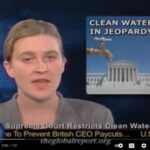
Thousands of the largest water polluters in the United States are outside the Clean Water Acts reach because the Supreme Court has left uncertain which waterways are protected by that law.

Source: YouTube (2010) Read More
U.S. Shale Gas

U.S. Shale Gas

Potential Gas Committee reports unprecedented increase in magnitude of U.S. natural gas resource base.

Source: YouTube (2010) Read More

Cornell 2011 Energy Conference

Cornell 2011 Energy Conference

The Cornell University Law School – 2011 Energy Conference (March 31-April 2, 2011) explored, among other topics, the legal issues associated with natural gas drilling and energy policy, different scientific perspectives on how clean and sustainable natural gas is, alternative clean energy sources, and the potential risks and benefits of shale gas development in Upstate New York.

Source: YouTube (2011) Read More

House committee votes to deny climate change

House committee votes to deny climate change

On March 15, 2011, Republicans in the House energy committee voted not once (archived), not twice, but three times (archived), against amendments (archived) recognizing that climate change is real, despite the broad scientific consensus that ” climate change is happening (archived) and human beings are a major reason for it.” They then unanimously voted (archived) in favor of the Upton-Inhofe bill to repeal the EPA’s scientific endangerment finding on greenhouse pollution.

Source: Grist (2011) Read More
Welcome to Mr. Rogers Neighborhood

Welcome to Mr. Rogers Neighborhood

Kentucky ranks dead last in healthy behavior (archived), and 49th in overall well-being, ..More mountaintop removal will only make these problems with the health of Appalachian people even worse. Its hard to get worse than worst, but Hal Rogers is doing his darndest.

Source: Appalachian Voices (2011) Read More
2012

September (2012)

Oil & Gas Accountability Project (OGAP)

Oil & Gas Accountability Project (OGAP)

OGAP tracks drilling impacts with a watchdog’s eye: complaints, enforcement gaps, industry claims, and the fine print of regulation. The hook is accountability — who reports what, who inspects, who pays, who fixes. In boom country, the technical work happens fast and the paperwork trails behind. OGAP exists to pull that trail forward into view, turning scattered incidents into patterns that regulators and communities can’t easily ignore.

Source: Earthworks (2009) Read More

May (2012)

2011

May (2011)

As You Sow – Corporate Accountability, Shareholder Action, and ToxicsReduction

As You Sow - Corporate Accountability

As You Sow, a shareholder advocacy organization, pressed ExxonMobil and Chevron to disclose the environmental and financial risks of hydraulic fracturing, winning significant investor support for resolutions demanding transparency. Nearly 30 percent of Exxon shareholders and over 40 percent of Chevron investors backed first-year proposals calling for studies of fracking’s impacts, signaling growing concern within mainstream financial markets over regulatory, public health, and reputational risks.

Source: As You Sow (2011) Read More

Fracking Canada

Fracking Canada

Stop Fracking Ontario is a web project to inform and promote activism against fracking in Ontario, in the surrounding region, and elsewhere.

Source: Fracking Canada (2011) Read More
Environmental Advocates New York

Environmental Advocates New York

The New York Water Rangers, launched by Environmental Advocates of New York, mobilized residents to defend state waters from hazardous fracking waste. Through legislative advocacy, coalition organizing, and narrative strategy developed with SmartMeme Studios, the campaign pushed to close loopholes in state law, extend moratorium protections, and require independent health impact assessments before permitting high-volume hydraulic fracturing in New York.

Source: Environmental Advocates New York (2011) Read More
The Deep Hot Biosphere : The Myth of Fossil Fuels

The Deep Hot Biosphere : The Myth of Fossil Fuels

This post explores Thomas Gold’s controversial abiogenic theory of petroleum formation, which argues that hydrocarbons originate deep within the Earth rather than from compressed biological matter. While climate policy debates focus on fossil fuel scarcity and carbon removal, the article raises concerns about methane emissions from gas flaring and questions assumptions embedded in mainstream energy narratives. Gold’s “deep hot biosphere” hypothesis challenges conventional geology and reframes discussions about resource limits, earthquakes, and even the origins of life.

Source: Springer | Copernicus (1998) Read More
U.S. Congress. (2009). A bill to amend the Safe Drinking Water Act to repeal a certain exemption for hydraulic fracturing, and for other purposes

U.S. Congress. (2009). A bill to amend the Safe Drinking Water Act to repeal a certain exemption for hydraulic fracturing

Legislation introduced in Congress sought to amend the Safe Drinking Water Act to remove exemptions shielding hydraulic fracturing from federal oversight. Supporters argued the change would restore transparency and accountability. Industry groups warned of duplication and delay. The bill spotlighted the “Halliburton loophole” in statutory form.


Source: Library of Congress (2009) Read More

March (2011)

Gasland’ Filmmaker Takes on Cuomo and ‘Dot.FlatEarth’

Gasland’ Filmmaker Takes on Cuomo and ‘Dot.FlatEarth’

Debates between hydrofracking proponents and critics intensified during the Gasland era, with Walter Hang of Toxics Targeting arguing that existing regulatory frameworks could not ensure safe natural gas extraction. Industry experts and academics countered with calls for improved oversight and technological safeguards, while environmental filmmakers and investigative journalists amplified evidence of methane leakage, cement failure, and groundwater contamination.

Source: Dot Earth | New York Times (2012) Read More

As climate crime continues, who are we sending to jail? Tim DeChristopher?

As climate crime continues

Let’s consider for a moment the targets the federal government chooses to make an example of. So far, no bankers have been charged, despite the unmitigated greed that nearly brought the world economy down. No coal or oil execs have been charged, despite fouling the entire atmosphere and putting civilization as we know it at risk.

Source: Grist (2011) Read More

Marcellus Shale Protest

Marcellus Shale Protest

On November 3, 2010, more than 500 demonstrators gathered in Pittsburgh to protest the Developing Unconventional Gas (DUG) East Conference, where industry leaders—including keynote speaker Karl Rove—met to discuss shale gas development. Activists from Pennsylvania and neighboring states marched to the David Lawrence Convention Center calling for a moratorium on drilling and raising concerns about health, water safety, and environmental impacts linked to Marcellus Shale gas extraction. MarcellusProtest.org, a project of the Center for Coalfield Justice, served as an information hub for organizing, events, and regional activism across shale-impacted communities.

Source: Marcellus Shale Protest | No Frackng Way (2010) Read More

WATER | FRONTLINE: Poisoned Waters

WATER | FRONTLINE: Poisoned Waters

More than three decades after the Clean Water Act, iconic American waterways like the Chesapeake Bay and Puget Sound are in perilous condition and facing new sources of contamination. PBS FRONTLINE’s Poisoned Waters investigated industrial pollution and regulatory breakdowns, tracing how enforcement gaps and political compromises left communities with compromised drinking water. The documentary elevated local complaints into a national reckoning over whether oversight has kept pace with modern extraction and discharge practices.

Source: Public Broadcasting Service Frontline (2009) Read More

February (2011)

Triana Energy

Triana Energy

Triana Energy operated in the Marcellus Shale during the boom’s early expansion, navigating leasing, drilling, and eventual acquisition in a fast-moving market. In a 2009 case in West Virginia, landowners who sold natural gas to Chesapeake and its predecessors — including Triana Energy, NiSource Inc., and Columbia Natural Resources — alleged they were cheated out of portions of their royalty payments. In shale’s rapid ascent, corporate timing and contract terms often moved just as quickly as the drilling rigs.

Source: Triana Energy (2010) Read More

H2Oil: An Explanation of the Tar Sands in Alberta

H2Oil: An Explanation of the Tar Sands in Alberta

The documentary H2Oil examines the environmental consequences of Alberta’s tar sands extraction. The film highlights the water-intensive process of oil sands production, the creation of tailings ponds containing toxic byproducts, and downstream health concerns reported by Indigenous communities. It situates oil sands development within broader debates over resource extraction, freshwater scarcity, public health, and regulatory oversight.

Source: Futurism Now (2010) Read More

Tree spiker : from Earth First! to lowbagging: my struggles in radical environmental action

Tree spiker : from Earth First! to lowbagging: my struggles in radical environmental action

In Tree Spiker: From Earth First! to Lowbagging: My Struggles in Radical Environmental Action, Mike Roselle recounts his evolution from Yippie provocateur to cofounder of Earth First! and the Rainforest Action Network, tracing decades of radical environmental activism from street theater to mountaintop-removal protests in Appalachia. Writing against the backdrop of federal drilling exemptions advanced under Vice President Dick Cheney and ongoing battles over hydraulic fracturing disclosure, Roselle situates non-violent civil disobedience as both moral response and strategic necessity in confronting coal, oil, and gas power structures.

Source: St. Martin's Press (2009) Read More

Mountaintop Removal

Mountaintop Removal

The documentary Mountaintop Removal, directed by Michael C. O’Connell, examines the human and ecological toll of strip-mining in West Virginia. Featuring activists such as Ed Wiley, Julia Bonds, and Maria Gunnoe, along with commentary from Jeff Goodell and Duke University scientists, the film exposes how mountaintop removal mining reshapes Appalachia’s landscape and water systems. It situates coal extraction within broader debates over corporate power, public health, and environmental justice.

Source: Haw River Films | IMDB (2007) Read More

Keystone XL Pipeline – Issues

Keystone XL Pipeline - Issues

Our country’s need for energy is a top priority and oil is among the energy sources that will help us meet this need. An oil pipeline, known as the Keystone XL Pipeline, has been proposed by TransCanada Corporation to deliver oil from its source in Canada through Nebraska to refineries in Oklahoma and Texas.

Source: U.S. Senator Mike Johanns for the State of Nebraska (2010) Read More

January (2011)

Encana

Encana

Encana expanded aggressively into U.S. shale plays, positioning itself as a major unconventional producer across multiple basins. As drilling scaled, the company became part of the broader debate over groundwater safety, emissions, and regulatory oversight that accompanied high-volume hydraulic fracturing.

Source: Encana (2010) Read More

Industrial Scars

Industrial Scars

Bear witness to the environmental destruction that is currently plaguing our planet; from a forest in West Virginia devastated by mountaintop removal mining, to a region in Florida left in ruins by the phosphate mining industry, J. Henry Fair presents hard evidence that our unchecked consumerism is leading the way in the destruction of our planet, one natural resource at a time.

Source: Industrial Scars (2011) Read More

2010

December (2010)

Federation of American Scientists (FAS) – SourceWatch

Federation of American Scientists (FAS) - SourceWatch

The Federation of American Scientists envisions a world where cutting-edge science, technology, and expertise are embedded in government and public discourse to meet the largest challenges of our time. In the shale debate, FAS compiled technical analyses of energy systems, environmental risks, and policy frameworks. Where campaign rhetoric often dominated headlines, its documentation grounded arguments in research — a reminder that extraction is both industrial process and national strategy.

Source: SourceWatch (2010) Read More

November (2010)

Drilling Wastewater Disposal Options in N.Y. Report Have Problems of Their Own – ProPublica

Drilling Wastewater Disposal Options in N.Y. Report Have Problems of Their Own - ProPublica

New York faced a practical question with massive implications: what do you do with the wastewater? Truck it? Treat it? Inject it? Store it? The choices sound technical until you scale them — volumes, routes, facilities, permits — and realize disposal is the hidden engine of the boom. This entry centers the downstream reality of fracking: what comes back up, where it goes, and which communities inherit the burden.

Source: ProPublica (2009) Read More

Drilling blamed for Java mud leak

Drilling blamed for Java mud leak

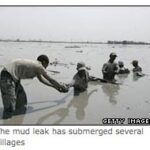
January 24, 2007. A mud flow that has displaced thousands of Indonesians was most probably caused by gas drilling, scientists say.

Source: BBC News | Asia-Pacific (2007) Read More

What is the National Children’s Study?

What is the National Children's Study?

The National Children’s Study will examine the effects of the environment, as broadly defined to include factors such as air, water, diet, sound, family dynamics, community and cultural influences, and genetics on the growth, development, and health of children across the United States, following them from before birth until age 21 years.

Source: nationalchildrensstudy.gov (2008) Read More

Gasland: Drilling Isn’t Safe

Gasland: Drilling Isn't Safe

The advocacy site DrillingIsntSafe.org argues that hydraulic fracturing poses documented risks of drinking water contamination, air pollution, and chemical exposure, citing the 2010 documentary Gasland by Josh Fox as a catalyst for national awareness. The site critiques Energy in Depth—funded by the American Petroleum Institute—for attempting to counter the film’s claims, framing the public debate over fracking as a clash between industry public relations efforts and citizen-driven environmental accountability.

Source: Drilling Isn't Safe (2010) Read More
America’s Natural Gas Alliance

America's Natural Gas Alliance

The American Natural Gas Alliance responds with a polished PR rebuttal, arguing that Gasland distorts facts and fuels fear. While claiming to champion factual debate, the video restricts comments and disables ratings, intensifying questions about transparency in industry messaging.

Source: America's Natural Gas Alliance (2011) Read More

Marsh Fork Elementary: Journey Up Coal River | A Community and Strip Mining

Marsh Fork Elementary: Journey Up Coal River | A Community and Strip Mining

In West Virginia’s Coal River Valley, Marsh Fork Elementary sat downstream from a massive coal slurry impoundment — millions of gallons of mining waste held behind an earthen dam. Parents worried about what would happen if it failed. Students practiced evacuation drills. The story wasn’t abstract environmental policy; it was children attending school in the shadow of extraction.

Source: Aurora Lights (2015) Read More

October (2010)

Futurism Now

Futurism Now

Futurism Now, a Minnesota-based blog by Shelly Thomas, examines energy policy, climate change, and environmental justice through news aggregation, commentary, and multimedia resources. Active since 2008, the site covers international energy issues, including tar sands development, climate science denial, and corporate political influence. It highlights environmental impacts such as water contamination, carbon emissions, and industrial extraction, while linking activism, investigative journalism, and grassroots advocacy.

Source: Futurism Now (2011) Read More

September (2010)

Two held on $100,000 bails for non-violent protest; Demand Bail Reduction: Call Magistrate Snodgrass 304-369-7360

Two held on $100

On May 17, 2010, Climate Ground Zero activists EmmaKate Martin and Benjamin Bryant blockaded Massey Energy’s headquarters in Boone County, West Virginia, protesting mountaintop removal mining. Magistrate Snodgrass set bail at $100,000 each for misdemeanor charges, marking one of the highest bails imposed on nonviolent environmental protesters in the state. The action, linked to broader campaigns involving James Hansen and Daryl Hannah, spotlighted escalating legal pressure on climate resistance movements.

Source: It’s Getting Hot In Here (2010) Read More

Stripping the West

Stripping the West

A portrait of extraction culture with wide-angle scope — land, minerals, money, and the conflicts that follow. The West is often sold as open space; this kind of work shows it as contested space. Leases, roads, rigs, and rights-of-way transform landscapes that once looked permanent. The hook is scale: not one well, but a pattern — and the social tension that arrives when an economy is built on removal.

Source: NOW with Bill Moyers (2002) Read More

New York Well Watch Forum

New York Well Watch Forum

The New York Well Watch Forum gathered residents monitoring proposed drilling near the state’s drinking water supply. Members shared test results, regulatory filings, and personal observations — building a citizen archive of vigilance. As Albany debated whether to allow high-volume hydraulic fracturing, the forum functioned as both clearinghouse and early-warning system.

Source: Google Groups: New York Well Watch Forum (2010) Read More
August (2010)

White linked to company in pollution probe

White linked to company in pollution probe

As Houston mayor and 2010 gubernatorial candidate, Bill White faced scrutiny over his $2.6 million compensation from BJ Services, a gas well servicing company under congressional investigation for potential groundwater contamination linked to hydraulic fracturing. Environmental advocates, including Sharon Wilson of Earthworks’ Oil & Gas Accountability Project, questioned the alignment between White’s environmental record and his ties to the drilling industry amid mounting concerns over diesel use and hazardous waste in fracking operations.

Source: The Houston Chronicle - Houston & Texas News | Chron.com (2010) Read More

Earthjustice

Earthjustice

Earthjustice, founded in 1971 as the Sierra Club Legal Defense Fund, pledged renewed legal resistance as President Donald Trump returned to office in 2025, emphasizing its record of courtroom victories defending clean air, water, and climate protections. The organization also condemned the Mendoza Supreme Court in Argentina for rejecting civil society participation in a case concerning fracking in the Vaca Muerta formation, arguing that indigenous Mapuche groups and international environmental advocates were denied meaningful input while fossil fuel interests were granted access.

Source: Earthjustice: Environmental Law: Because the Earth Needs a Good Lawyer (2025) Read More

Editorial – The risks of fracking | Philadelphia Inquirer

Editorial - The risks of fracking | Philadelphia Inquirer

A March 22, 2010 Philadelphia Inquirer editorial noted the Marcellus Shale Coalition’s claim that hydraulic fracturing had never contaminated groundwater, while acknowledging environmental risks and New York’s drilling moratorium. What followed was a pointed public exchange: commenters such as Jim Barth challenged industry timelines, cited EPA whistleblower Westin Wilson and ProPublica’s Abrahm Lustgarten, and questioned chemical disclosure, regulatory exemptions, and cumulative impacts on Pennsylvania watersheds.

Source: Philadelphia Inquirer (2010) Read More
Gasland | NOW on PBS

Gasland | NOW on PBS

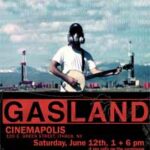
When filmmaker Josh Fox lit his tap water on fire, the image ricocheted across the country. Gasland followed families living above new shale wells — bubbling faucets, tanker trucks, neighbors divided. Industry leaders rejected the film’s claims, but the footage stuck. The documentary transformed a regional drilling story into a national debate about water, power, and what happens when energy extraction moves into backyards.

Source: NOW on PBS (2010) Read More
Clean Water Not Dirty Drilling

Clean Water Not Dirty Drilling

“Clean Water Not Dirty Drilling” became both slogan and organizing banner for activists opposing hydraulic fracturing near critical water supplies. The framing was simple but pointed: if water is nonnegotiable, drilling must meet a higher standard — or be rejected. Rallies and petitions amplified the message as policy decisions approached.

Source: Clean Water Not Dirty Drilling (2010) Read More

Delaware Riverkeeper Network

Delaware Riverkeeper Network

The Delaware Riverkeeper Network focused on protecting a watershed supplying drinking water to more than 15 million people across four states. As shale proposals edged toward the Delaware Basin, the organization challenged permits and pushed for basin-wide oversight. When water serves entire metropolitan regions, local drilling becomes a regional calculation.

Source: Delaware Riverkeeper Network (2009) Read More
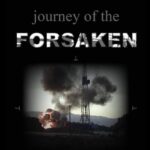
Journey of the Forsaken

Journey of the Forsaken

“Journey of the Forsaken” traced communities left grappling with extraction’s aftermath — damaged roads, disputed leases, lingering health complaints. The title suggests abandonment: after the boom moves on, who remains to handle what’s left? In regions where wells decline and companies restructure, residents sometimes find themselves negotiating consequences alone.

Source: Journey of the Forsaken (2010) Read More
Barnett Shale Energy Education Council (BSEEC)

Barnett Shale Energy Education Council (BSEEC)

The Barnett Shale Energy Education Council positioned itself as a source of public information about drilling in North Texas, promoting economic benefits and regulatory compliance. Critics viewed the council as industry-aligned messaging during a period of mounting air quality and health concerns. In boom regions, education and advocacy often blur.

Source: Barnett Shale Energy Education Council (2010) Read More

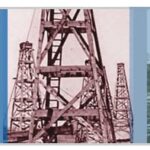
Oil150, 1859-2009: Celebrating the Story- Progress from Petroleum

Oil150

The Oil150 program marked 150 years since the first commercial oil well was drilled in Pennsylvania in 1859. Celebratory events traced the arc from Titusville’s wooden derricks to modern shale pads. The commemoration linked historic petroleum origins to contemporary extraction — a reminder that today’s boom rests on a century-and-a-half industrial lineage. Yet alongside celebration, critics point to documented cases of regulatory lapses and community health concerns tied to contaminated drinking water and air pollution in drilling regions.

Source: Oil150, 1859-2009: Celebrating the Story- Progress from Petroleum (2010) Read More

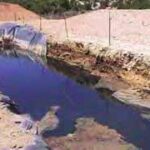
Pit Pollution

Pit Pollution

Reports of pollution from open waste pits highlighted risks associated with storing drilling byproducts on-site. Wildlife mortality, groundwater concerns, and surface runoff raised questions about containment practices. Waste management remains one of the less visible — yet consequential — aspects of shale development.

Source: Earthworks (2004) Read More

Hydraulic Fracturing of Oil and Gas Wells

Hydraulic Fracturing of Oil and Gas Wells

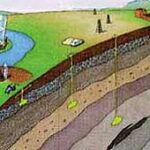
A nuts-and-bolts explainer of the process: drilling, casing, perforation, high-pressure fluid, sand, and chemical additives — engineered force applied underground to release gas. It’s operational clarity in a debate that often floats above the mechanics. The hook here is not ideology — it’s process: how a well becomes productive, where failures can occur, and why “how it’s done” matters when water, cement, and pressure are the core ingredients.

Source: Earthworks (2010) Read More
Item added to cart.
0 items - $0.00