On May 22, 2010 President Obama established the National Commission on the BP Deepwater Horizon Oil Spill and Offshore Drilling through Executive Order 13543 issued on May 21, 2010.
Archive.org
Presentation of the findings and recommendations in the National Oil Spill Commission’s final report on the causes of BP’s Gulf rig blowout and prevention of future disasters will be held 11am EST, Tues., Jan 11, 2011 at the The National Press Club: 529 14 St., NW, Washington DC.
Viewing: Credentialed press only. Public viewing available via live stream at www.OilSpillCommission.gov.
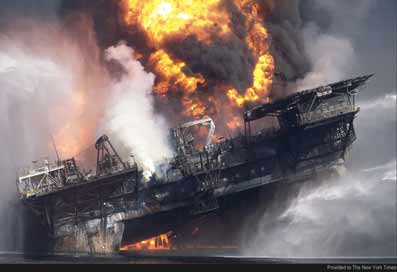
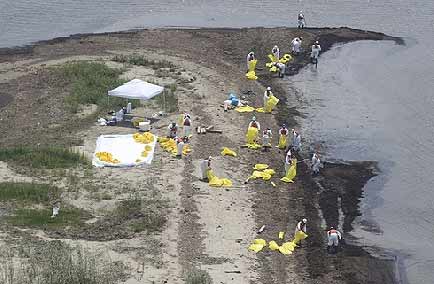
On April 20, 2010, an explosion destroyed an offshore drilling rig at the Macondo Prospect in the Gulf of Mexico, causing a major sustained oil leak. Obama visited the Gulf, announced a federal investigation, and formed a bipartisan commission to recommend new safety standards, after a review by Secretary of the Interior Ken Salazar and concurrent congressional hearings. He then announced a six-month moratorium on new deepwater drilling permits and leases, pending regulatory review.
The National Commission on the BP Deepwater Horizon Oil Spill and Offshore Drilling is a bipartisan presidential commission, established by Executive Order 13543 signed by Barack Obama on May 21, 2010, that is “tasked with providing recommendations on how the United States can prevent and mitigate the impact of any future spills that result from offshore drilling.”
…On October 6, 2010, the commission released preliminary reports criticizing the Obama administration for mismanagement of its response to the Deepwater Horizon oil spill. Amongst other things cited were, not being fully candid with the American people, and giving the impression of not being fully competent.[4][5] On January 11, 2011, the commission released its final report,[6] with recommendations to Congress for new spending and regulations.[7]
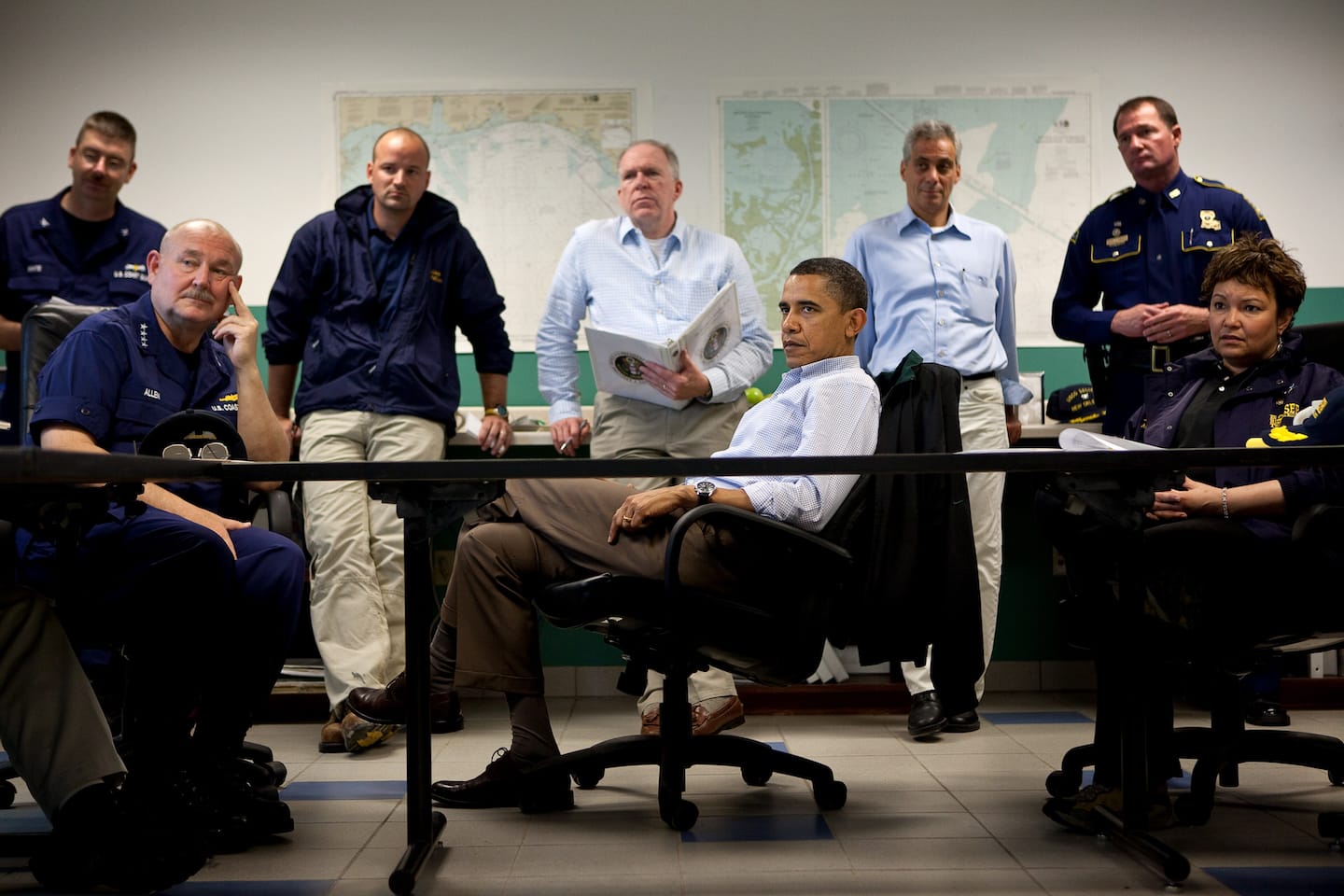
As multiple efforts by BP failed, some in the media and public expressed confusion and criticism over various aspects of the incident, and stated a desire for more involvement by Obama and the federal government. Prior to the oil spill, on March 31, 2010, Obama ended a ban on oil and gas drilling along the majority of the East Coast of the United States and along the coast of northern Alaska in an effort to win support for an energy and climate bill and to reduce foreign imports of oil and gas.
In July 2013, Obama expressed reservations and said he “would reject the Keystone XL pipeline if it increased carbon pollution [or] greenhouse emissions.” On February 24, 2015, Obama vetoed a bill that would have authorized the pipeline. It was the third veto of Obama’s presidency and his first major veto. In December 2016, Obama permanently banned new offshore oil and gas drilling in most United States-owned waters in the Atlantic and Arctic Oceans using the 1953 Outer Continental Shelf Act.
See: The Ceres Principles | Mixplex
See: Before the Big Spill | Mixplex
See: BP Deepwater Horizon Committee Hears From Oil Industry Executives | Mixplex
See: National Commission on the BP Deepwater Horizon Oil Spill and Offshore Drilling
See: Chevron Human Energy Stories | Addressing Climate Change
See: Unconventional Gas Shales: Development, Technology, and Policy Issues
See: Anadarko Petroleum Corporation
See: BP chief hails American breakthrough in gas supplies from shale rocks
See: Legislating Under the Influence
See: BP – For BP, a History of Spills and Safety Lapses
See: U.S. Speaker Nancy Pelosi: The Gavel: Draining The Swamp