

Environmental organization website. Advocating on Legislation & Policy in Washington and Pennsylvania.
“An organization of citizens committed to a vision of the future that places the conservation of our natural resources at the center of a vibrant economy.”
Read the Strategic Plan 2024-2028.
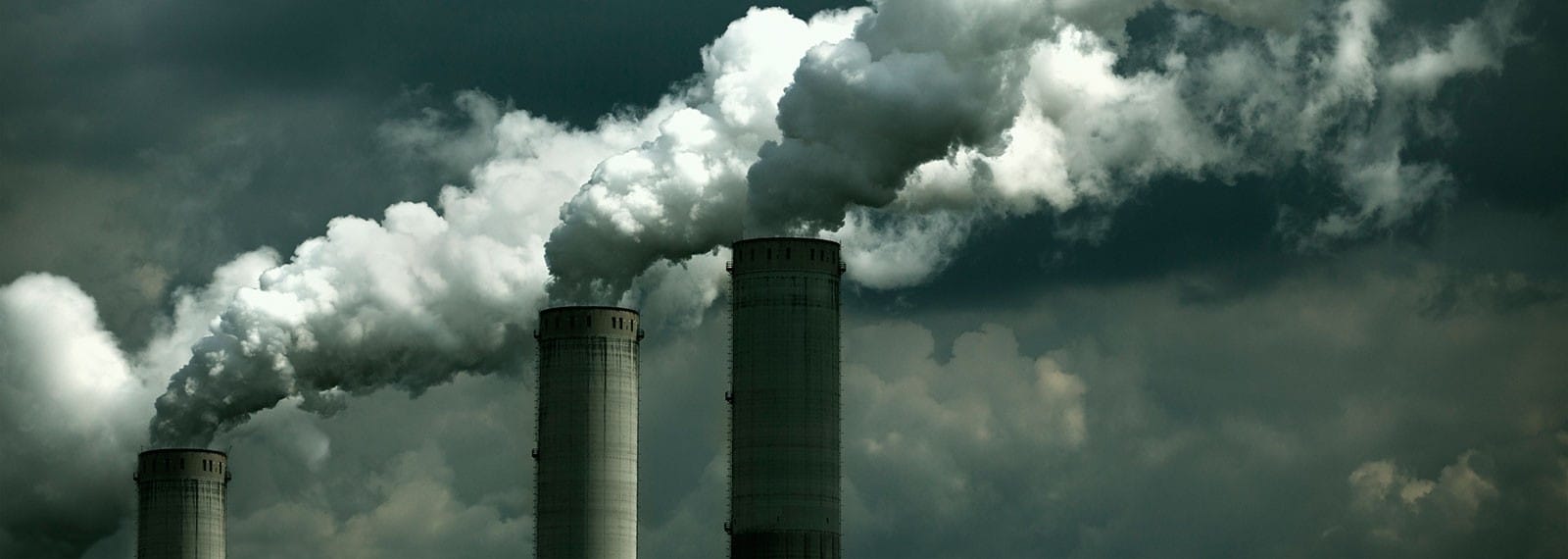
Why Do We Have an Environmental Rights Amendment?
Article I Section 27 of the Pennsylvania constitution states:
Pennfuture. Environmental Rights Amendment.
The people have a right to clean air, pure water, and to the preservation of the natural, scenic, historic and esthetic values of the environment. Pennsylvania’s public natural resources are the common property of all the people, including generations yet to come. As trustee of these resources, the Commonwealth shall conserve and maintain them for the benefit of all the people.
In the 1960s and 70s Pennsylvanians were waking up to the effect of centuries of largely unrestricted exploitation of the natural environment. The lumber harvesting practices of the 19th century had devastated millions of acres and left much of Pennsylvania barren while the industry picked up and moved to other states. Deforestation, pollution and unregulated hunting and trapping meant that game had practically disappeared from the state at the turn of the 20th century.
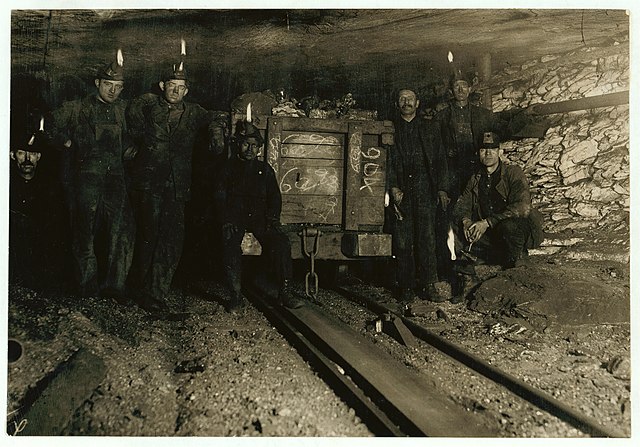
Well into the 20th century, virtually unregulated coal mining scarred the natural environment of coal-rich areas with banks of burning coal and refuse, underground mine fires, water pollution from acid mine drainage, strip mining pits, and acid water impoundments.
Localized environmental tragedies like the 1948 Donora smog tragedy, the 1959 Knox Mine disaster, the 1961 Glen Alden mine water discharge, and the 1962 Centralia mine fire brought into stark relief the human and environmental costs of unrestricted and unmitigated exploitation of the environment.
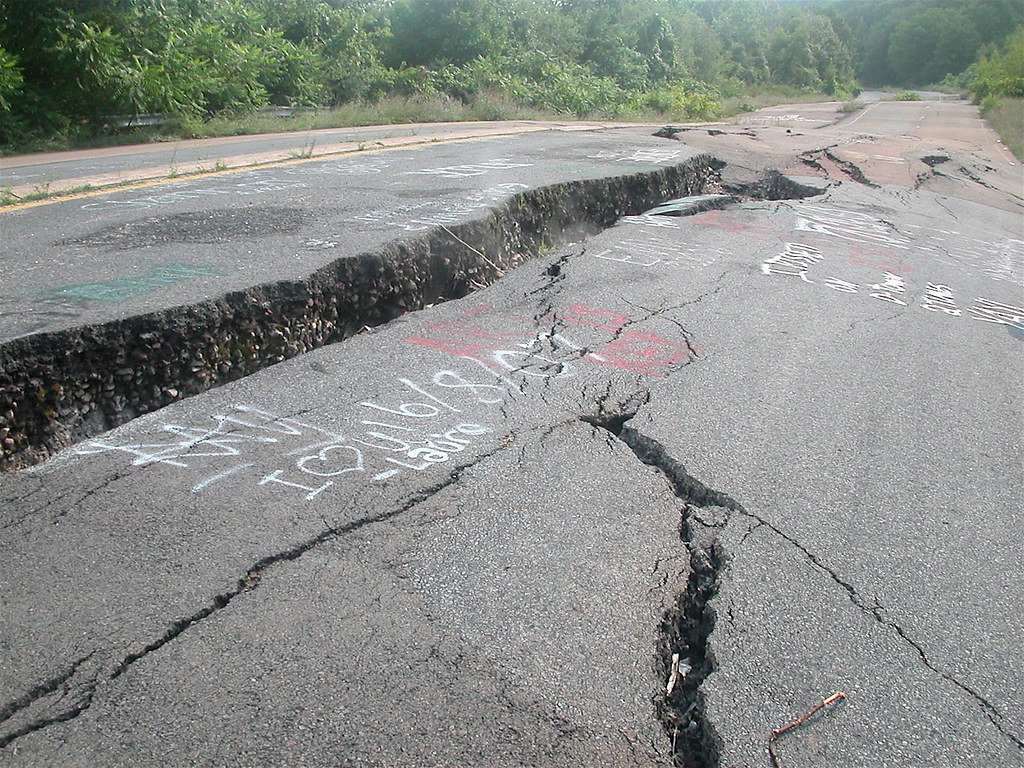
In the words of an anonymous Pennsylvania resident:
We seared and scarred our once green and pleasant land with mining operations. We polluted our rivers and our streams with acid mine drainage, with industrial waste, with sewage. We poisoned our delicate, pleasant and wholesome air with the smoke of steel mills and coke ovens and with the fumes of millions of automobiles. We smashed our highways through fertile fields and thriving city neighborhoods. We cut down our trees and erected eyesores along our roads. We uglified our land and we called it progress.
In 1971, Pennsylvanians decided that we could not continue down this path. We could not relegate to history books the valuable natural and esthetic aspects of our environmental inheritance. Pennsylvanians decided that all people had a right to a clean and safe environment that could not be sacrificed on the altar of a “progress” that left our land barren, our water polluted, and our air unsafe to breathe. We decided that the environment was entitled to the strongest protection under law. Thus, the Environmental Rights Amendment or ERA was born.
What is the Environmental Rights Amendment?
The ERA is found in Article I, Section 27 of the Pennsylvania Constitution. It reads:
The people have a right to clean air, pure water, and to the preservation of the natural, scenic, historic and esthetic values of the environment. Pennsylvania’s public natural resources are the common property of all the people, including generations yet to come. As trustee of these resources, the Commonwealth shall conserve and maintain them for the benefit of all the people.
Structured as it is, in three sentences, the ERA effectively does three things:
- It establishes that the people of Pennsylvania have a right to clean air, pure water, and the preservation of natural, scenic, historic and esthetic values of the environment.
- It establishes that “public natural resources” are the common property of all Pennsylvanians, including future generations.
- It makes the Commonwealth—including all levels and branches of government—the trustee of these public natural resources. This means that the Commonwealth has a duty to conserve and maintain Pennsylvania’s public natural resources for the benefit of the people.
The Environmental Rights Amendment was proposed by State Legislator Franklin L. Kury on the first Earth Day in 1970.
Kury, Franklin L. Clean Politics, Clean Streams : A Legislative Autobiography and Reflections. Lehigh University Press ; Rowman & Littlefield Pub. Group, 15 Sep 2011.
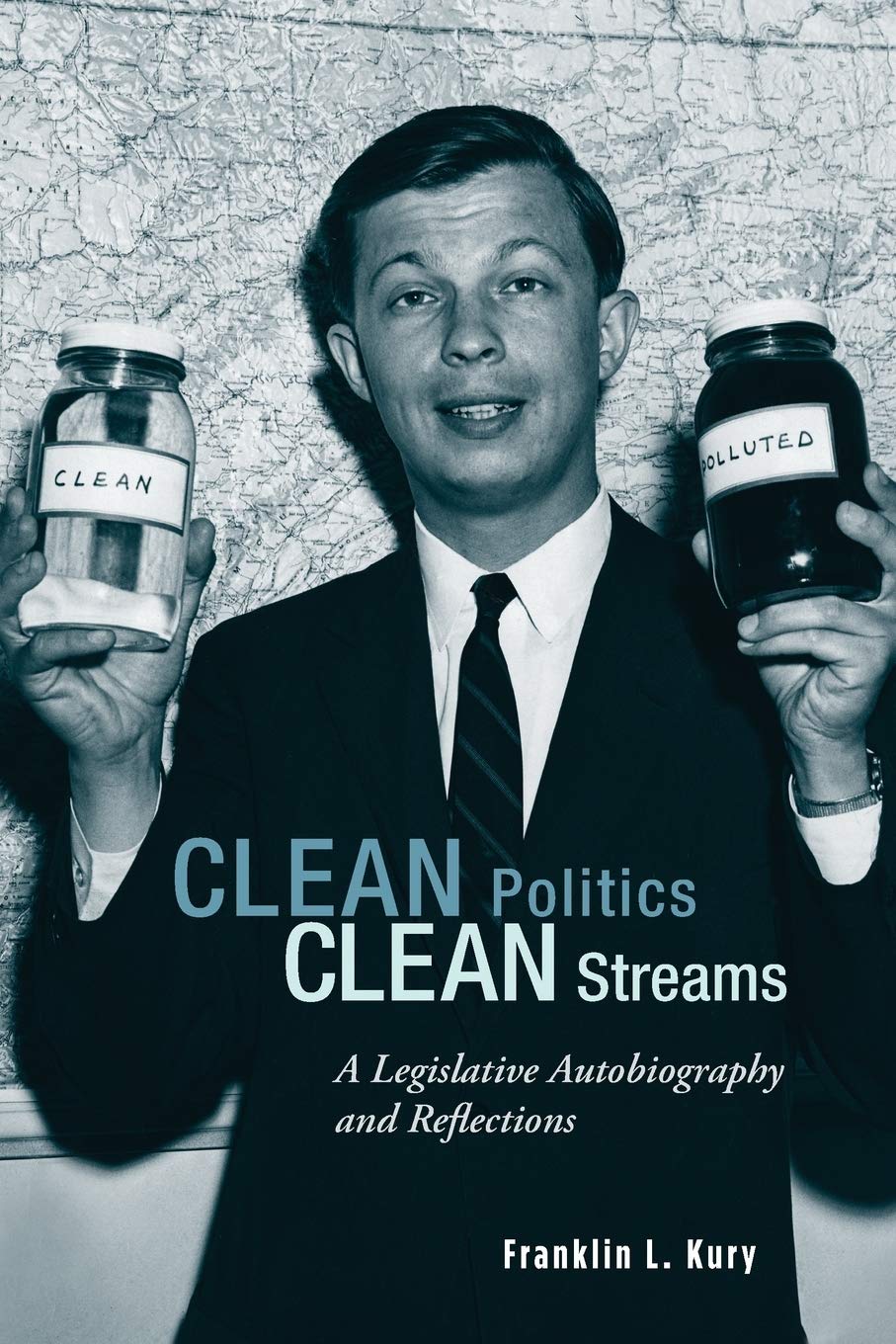
When the Environmental Rights Amendment was proposed by State Legislator Franklin L. Kury on the first Earth Day in 1970, it received the unanimous assent of both the Pennsylvania House of Representatives and the Pennsylvania Senate. When put to the voters of Pennsylvania the following year, it was ratified by a vote of nearly four to one, with over one million people voting in favor.
The drafters chose to place the ERA in Article I of the Pennsylvania Constitution, otherwise known as the Declaration of Rights, which sets forth what the drafters consider to be “general, great and essential principles of liberty and free government.” This placement means that Pennsylvanians’ environmental rights are placed alongside and on par with our fundamental political rights such as freedom of speech, freedom of assembly, freedom of religion, the right to trial by jury, and the right to bear arms. Pennsylvania is one of only four states (along with Montana, Rhode Island, and New York) to elevate and affirm its people’s environmental rights in this way.
See: New York State Attorney General: Oil & Gas Leases: Landowners’ Rights
See: Flow – The War Between Public Health and Private Interests
See: US natural gas drilling boom linked to pollution and social strife
See: Poison Fire
See: Under the surface : fracking, fortunes and the fate of the Marcellus Shale
See: Drill, Baby, Drill!: The chant of the political naif
See: Coalbed Methane Development: The Costs and Benefits of an Emerging Energy Resource
See: Art of the common-place: the agrarian essays of Wendell Berry