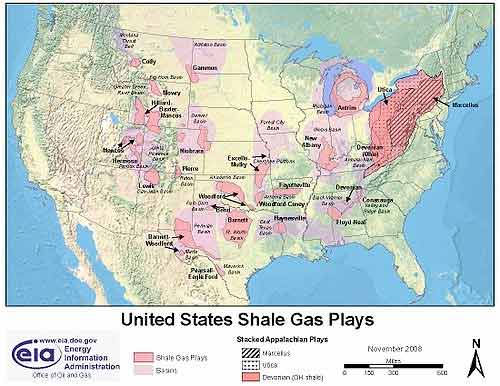
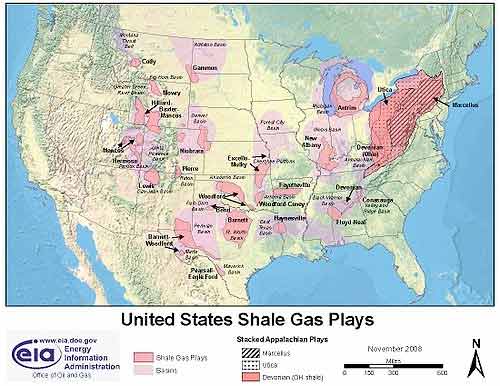
Shale gas in the United States is rapidly increasing as a source of natural gas. Led by new applications of hydraulic fracturing technology and horizontal drilling, development of new sources of shale gas has offset declines in production from conventional gas reservoirs, and has led to major increases in reserves of US natural gas. (2010)
(Editor’s Note. 23 Dec 2023. Accessed same article today.)
Shale gas in the United States is an available source of unconventional natural gas. Led by new applications of hydraulic fracturing technology and horizontal drilling, development of new sources of shale gas has offset declines in production from conventional gas reservoirs, and has led to major increases in reserves of U.S. natural gas. Largely due to shale gas discoveries, estimated reserves of natural gas in the United States in 2008 were 35% higher than in 2006.[1]
In 2007, shale gas fields included the #2 (Barnett/Newark East) and #13 (Antrim) sources of natural gas in the United States in terms of gas volumes produced.[2] The number of unconventional natural gas wells in the U.S. rose from 18,485 in 2004 to 25,145 in 2007 and is expected to continue increasing[3] until about 2040.
The economic success of shale gas in the United States and rapid growth in the amount produced after 2009 has led to rapid development of shale gas in Canada, and, more recently, has spurred interest in shale gas possibilities in Europe, Asia, and Australia. It has been postulated that there may be a 100-year supply of natural gas in the United States, but only 11 years of gas supply is in the form of proved reserves.[4]
…A 2017 study finds that hydraulic fracturing contributed to job growth and higher wages: “new oil and gas extraction led to an increase in aggregate US employment of 725,000 and a 0.5 percent decrease in the unemployment rate during the Great Recession“.[29] Research shows that shale gas wells can have a significant adverse impact on some house prices, with groundwater-reliant homes declining 13% in value whereas piped-water homes will see an increase of 2–3%. The price increase of the latter is most likely due to the royalty payments that property owners get from gas extracted under their land.[79]
Environmental Issues
Complaints of uranium exposure and lack of water infrastructure emerged as environmental concerns for the rush.[85][86] In Pennsylvania, controversy has surrounded the practice of releasing wastewater from “fracking” into rivers which serve as consumption reserves.[87]
Methane release contributing to global warming is a concern.[88]
Several shale gas sources, including the Utica Shale, Marcellus Shale, and Woodford Shale, were identified by a team of researchers publishing in Energy Policy as “carbon bombs,” or a fossil fuel project that would result in more than one gigaton of carbon dioxide emissions if fully extracted and burnt.[89]
Popular culture
The word “fracking”, slang for hydraulic fracturing, has entered the English language.[90]
The Great Shale Gas Rush[91] refers to the growth in unconventional shale gas extraction in the early 21st-century.
Pennsylvania was featured in the Academy Award-nominated,[92] environmental documentary Gasland by Josh Fox in 2010.[93] Most of the filming for the 2012 Gus Van Sant dramatic film, Promised Land, starring Matt Damon, took place in the Pittsburgh area, although the setting is upstate New York.
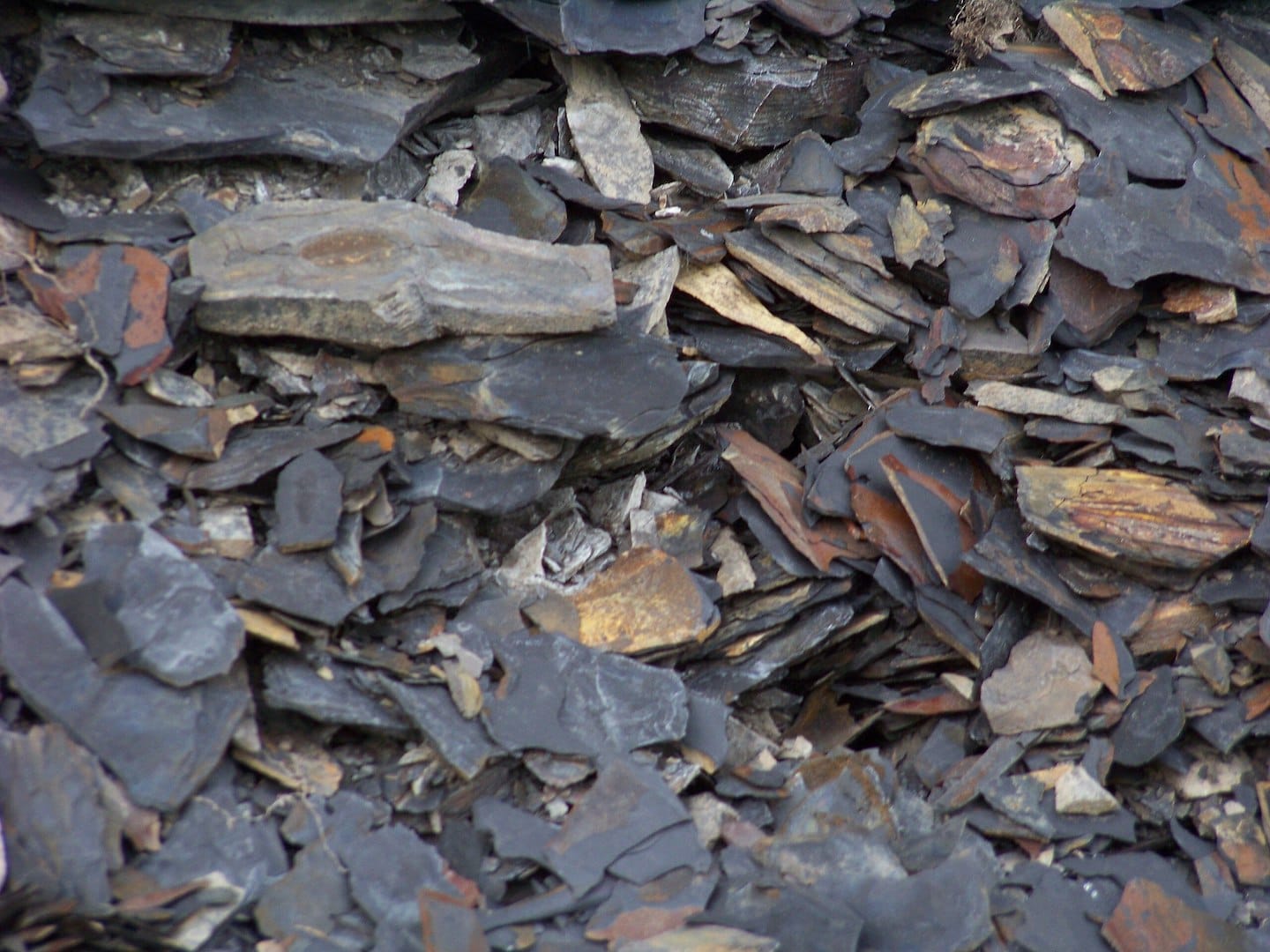
Please note that information taken from Wikipedia should be verified using other, more reliable sources. It is a good place to start research, but because anyone can edit Wikipedia, we do not recommend using it in research papers or to obtain highly reliable information.
See: This Website is a Crash Course In Fracking
See: The Marcellus Shale Formation Information Site
See: Gasland Trailer 2010
See: Gasland: Drilling Isn’t Safe
See: Affirming Gasland
See: Natural gas
See: Natural Gas – Energy Explained, Your Guide To Understanding Energy
See: Encana Fracking Cake for Kids – A Look Underground
See: It’s Getting Hot In Here: Keeping (and Calculating) Tabs on Gas Drilling
See: The Yes Men | Climate Pledge of Resistance
See: U.S. Energy Information Administration. EIA Energy Kids – Natural Gas
See: Hydraulic Fracturing: History of an Enduring Technology
See: Natural Gas Industry Shills Use the Media to Mislead the Public – Here’s How to Spot Them