
For best viewing, click ⛶ for fullscreen.
No Boundaries: Out Walking | Apr 2026
6 minutes read time.
The web address earthstage.pw ends in “.pw”, the country-code domain for Palau, an island nation in the Pacific Ocean. Palau is on the frontlines of global warming. Although it produces only a tiny fraction of global greenhouse gas emissions, the small island nation faces severe and immediate threats from climate change, including sea-level rise, coral bleaching, intense rainfall, drought, and increased storm activity.
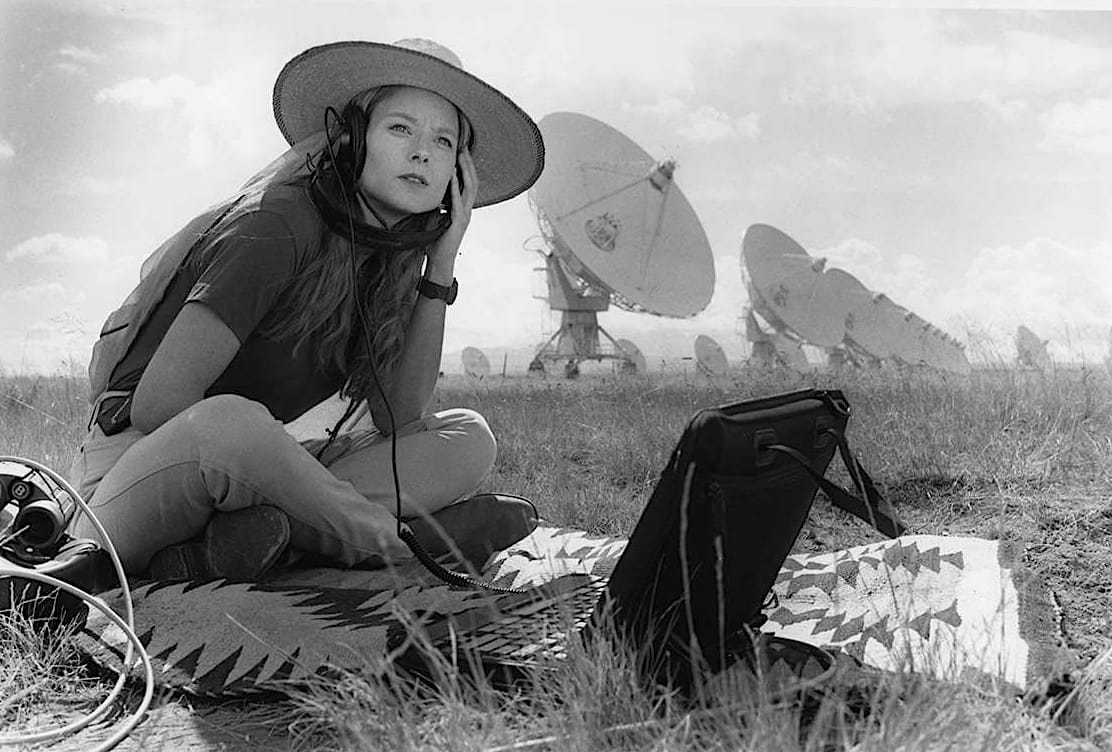
In recent years, I’ve been spending more time walking through Ithaca, noticing the effects of the wind and changing light and recording what I see. This month also includes visits from my children, rainbows, a red tailed hawk and other birds as well as a regular walk past a 100 year old train once powered by coal.
Most days, I leave from North Plain Street, heading west along Buffalo Street, past the Children’s Garden, and alomng the inlet trail toward the Treman Marina and Cayuga Lake before circling back home. On alternate days, I follow the creeks through town — Cascadilla Gorge, Fall Creek, the wooded paths near Beebe Lake, and the trails that weave between water, stone, bridges, birds, traffic, and neighborhoods.
These walks will now become part of the structure of the bibliographic resources project, Fracking Resource Guide, launched in 2010 and abandoned in 2012 until 2024-2026 when I began the work to reconstruct it. I used the Wayback Machine of Archive.org to fix the link rot that occurred over time that presents in any mature online project.
Earthstage has become more than a site for making transparent both the immediate and long-term the effects caused by the extreme extraction of oil, gas and water resources for the profit of large publicly held corporations.
I documented the action taken by citizens who asked important questions of government regulators and scientists in New York State and elsewhere, often under-represented by mainstream media, but reported by both the non-profit press and many personal bloggers and educational programs. In 2010, government information was both highly regarded by policy makers, educators, and informed by peer review. In 2026, the truth has changed.
I will continue to provide monthly reporting on government regulation during the second Trump administration in a special 2 column feature that will provide side by side comparison between EPA Administrator Lee Zeldin and Guardian columnist, Dharna Noor.
The Fracking Resource Guide began as a librarian’s effort to gather and preserve public information related to hydraulic fracturing: reports, films, interviews, scientific papers, activism, industry claims, government documents, and historical context across many formats. The original goal was straightforward — help people encounter primary source material directly and make complicated information more navigable.
Over time, however, the project has also become something else.
Restoration is slow work.
Repairing broken links.
Recovering memory.
Preserving context.
Reconnecting citations.
Rebuilding archives.
Walking through forests.
Listening across disagreement.
Making room for uncertainty without abandoning evidence.
Increasingly, I have come to understand Earthstage not simply as a record of environmental conflict, but as an ongoing attempt to explore how people remain attentive inside technologically saturated environments. I will present the natural world as a constantly transforming visual statement. The slow dissolves and live sounds are recorded with my cinematographer’s understanding of the shot in motion in three to four second clips.
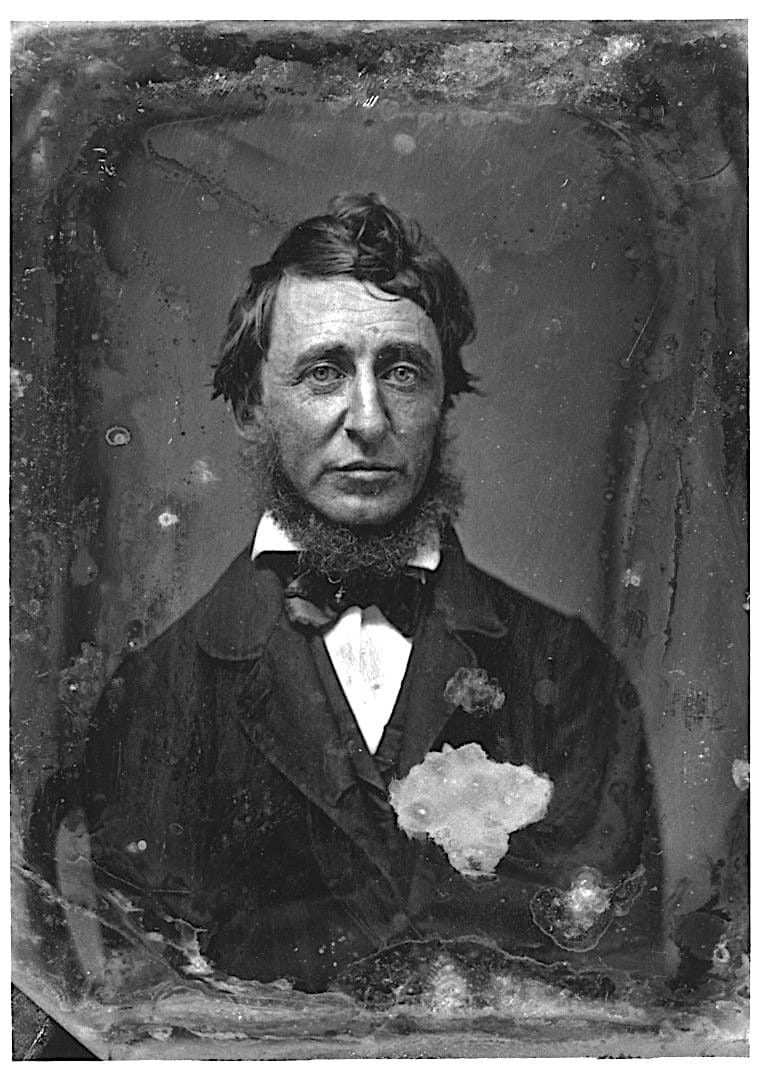
True walking is a sacred adventure that recharges the mind and preserves the soul.
Where is the literature which gives expression to Nature?
Henry David Thoreau. Walking. As published in Atlantic Monthly, 1862.
…I confess that I am partial to these wild fancies, which transcend the order of time and development. They are the sublimest recreation of the intellect. The partridge loves peas, but not those that go with her into the pot.
Smackdown
Official Story / Public Reckoning / Deeper Contrast
April 2026
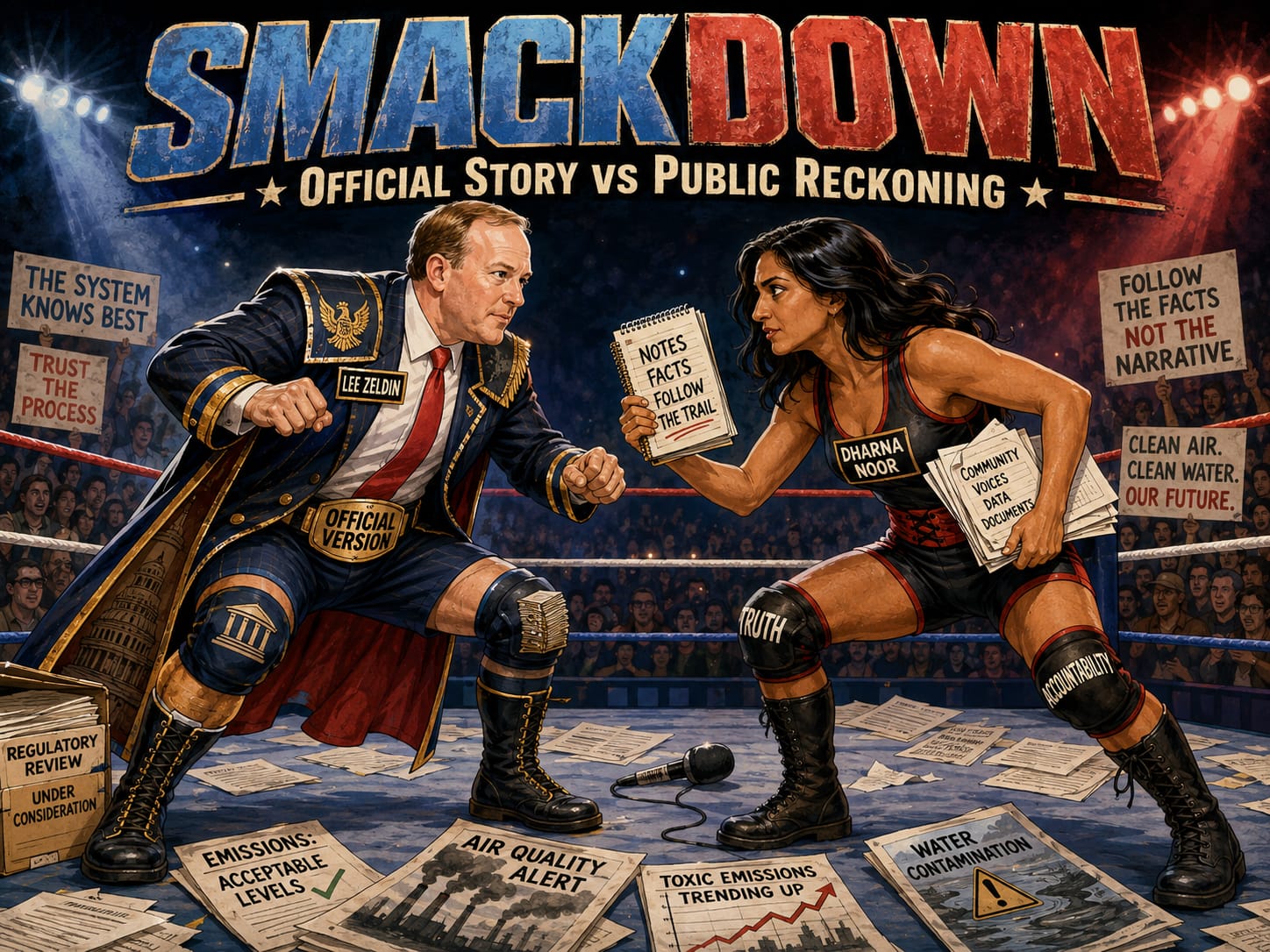
EPA / Lee Zeldin
EPA frames April as practical environmental action: safer water, domestic energy, regulatory relief, science advisory renewal, water reuse, lead-risk communication, and technology-led solutions.
Emphasis
- Drinking water action
- Oil and gas regulatory relief
- Water reuse for AI and industry
- Gold Standard Science
- Advanced recycling
Guardian / Dharna Noor
Noor frames April as a warning sign: Zeldin’s presence among climate-denial groups suggests anti-climate politics and industry-aligned narratives gaining influence over federal policy.
Emphasis
- Climate-denial influence
- Fossil-fuel-aligned networks
- Attacks on climate science
- Public health risk
- Weakened federal oversight
The deeper contrast
EPA presents environmental policy as practical stewardship joined to economic growth. The Guardian frames the same period as a contest over science, public health, and industry influence.
Key verbs
EPA verbs: safeguard, unleash, reuse, strengthen, streamline
Guardian verbs: expose, warn, normalize, deny, undermine
Sources
- EPA. EPA Takes Bold Action to Ensure Drinking Water is Safe from Microplastics, Pharmaceuticals, and Potential Hidden Contaminants. 2 Apr 2026. EPA.
- EPA. Administrator Zeldin in The Hill: The Trump EPA has a Plan to ‘Unmake’ Plastic Waste. 27 Apr 2026. EPA.
- Dharna Noor. Trump’s EPA chief Zeldin gives keynote speech at climate-denying group’s event. 8 Apr 2026. The Guardian.
- Dharna Noor. Inside a jubilant DC conference where ‘the climate deniers are in charge now’. 14 Apr 2026. The Guardian.
The Fracking Resource Guide includes difficult questions about energy, extraction, infrastructure, scale, ecological cost, and public responsibility. Writers such as Bill McKibben have spent decades exploring these tensions — not as a rejection of technology itself, but as an argument for thinking more carefully about consequence, scale, and long-term stewardship.
What scale?
What cost?
Whose land?
Whose water?
Whose future?
But here is some good news. At the same time, recent neuroscience and environmental health research has begun examining how natural environments affect stress, cognition, attention, and emotional regulation.
A 2024 study by Sonja Sudimac and Simone Kühn investigating one-hour forest walks observed measurable changes associated with hippocampal stress regulation and reductions in rumination. Another 2024 study by Andrew S. McDonnell and David L. Strayer found that walks in natural environments altered resting brain activity in ways associated with reduced cognitive fatigue and emotional stress.
Of course, scientific literature alone cannot fully explain the experience of walking beside moving water at dusk, hearing wind across the inlet, or watching changing light move across Cayuga Lake. (link will open in Google Earth)
But the growing body of research does suggest something important:
environments matter profoundly — neurologically, emotionally, socially, culturally, and ecologically.
Walking has gradually become part of the methodology of this archive.
Not escape.
Not retreat.
A form of listening.
Earthstage is no longer only an archive of extraction and environmental risk. I hope it can also become a place for reflection, restoration, curiosity, and deeper listening.
See also: Sudimac, Sonja, and Simone Kühn. “Can a nature walk change your brain? Investigating hippocampal brain plasticity after one hour in a forest.” Environmental research 262 (2024): 119813.
See also: McDonnell AS, Strayer DL. The influence of a walk in nature on human resting brain activity: a randomized controlled trial. Sci Rep. 2024 Nov 8;14(1):27253. doi: 10.1038/s41598-024-78508-x. PMID: 39516236; PMCID: PMC11549482.
See also: Good News. The Daily Climate. Ongoing, 2017-2026.
See: Civil Disobedience
See: Welcome to Mr. Rogers Neighborhood
See: Birth of EPA
See: Climate Zombies Now Run The House
See: The Deeper Listening Series
See: Neil’s Mellow Pad