For best viewing, click ⛶ for fullscreen.
Playground of Coincidence: Out Walking | Aug 2025
17 minutes read time
We begin with video clips of my 2GB iPod Shuffle being updated at the top of the month: ovenbird, then garden, 335 of 377 tracks. Every month I load a fresh random sample drawn from a collection of 7,039 tracks, 37GB of music, and every time I walk alone I listen through closed-ear headphones, keeping a record of what I heard when I return home. The randomness is intentional. It is already part of the playground of coincidence.
Then auto nauseous and an overhead view of the laptop screen: Paul Horn, Raphael Saadiq, Mary Rowell and others fade out of focus.
Is this the prelude to August? Perhaps it is. Before I have gone anywhere, one system of coincidence is already running alongside another.
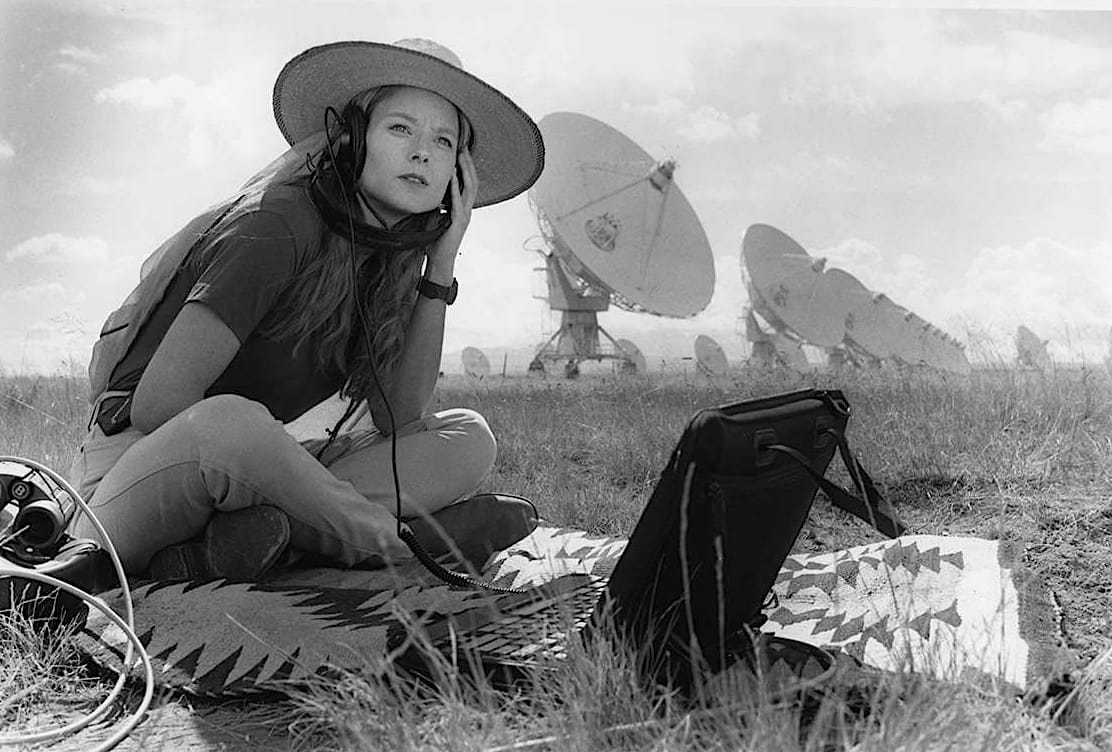
When I walk the dog I leave the closed-ear headphones at home. Through my hearing aids I listen instead to Amy Goodman, NPR, Thom Hartmann, Ian Masters and other voices coming through the radio, sometimes while another stream of sound is happening around me. What I hear and what I see do not arrive according to the same schedule.
We are by the waterside and hear the reeds blowing in the wind. We are walking, watching the wind and the dance of grasses, when I look up into a tree and the camera begins to spin.
Are we nauseous yet?
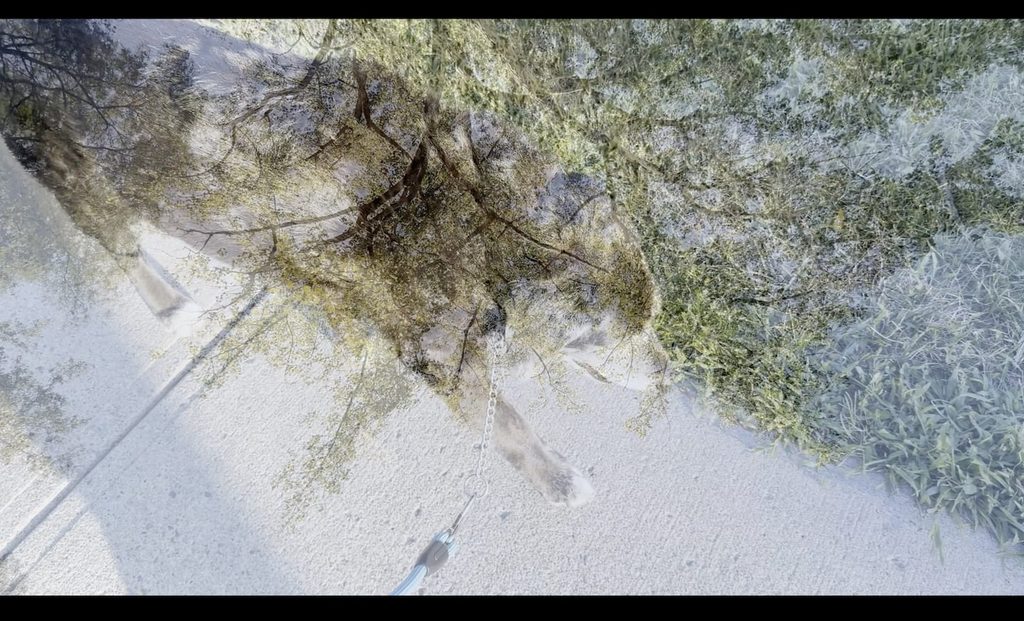
I am walking my dog Chloe. Stiller and I attend a memorial service for the 26-year-old son of our friends, where one of the tents is hung with crystals around the inside perimeter. I look through them toward the garden.
In my notes from the memorial, beneath the name of his mother, Viola, I wrote down words I believe were hers: “Grateful to have been on Earth.”
I remember crying as she spoke.
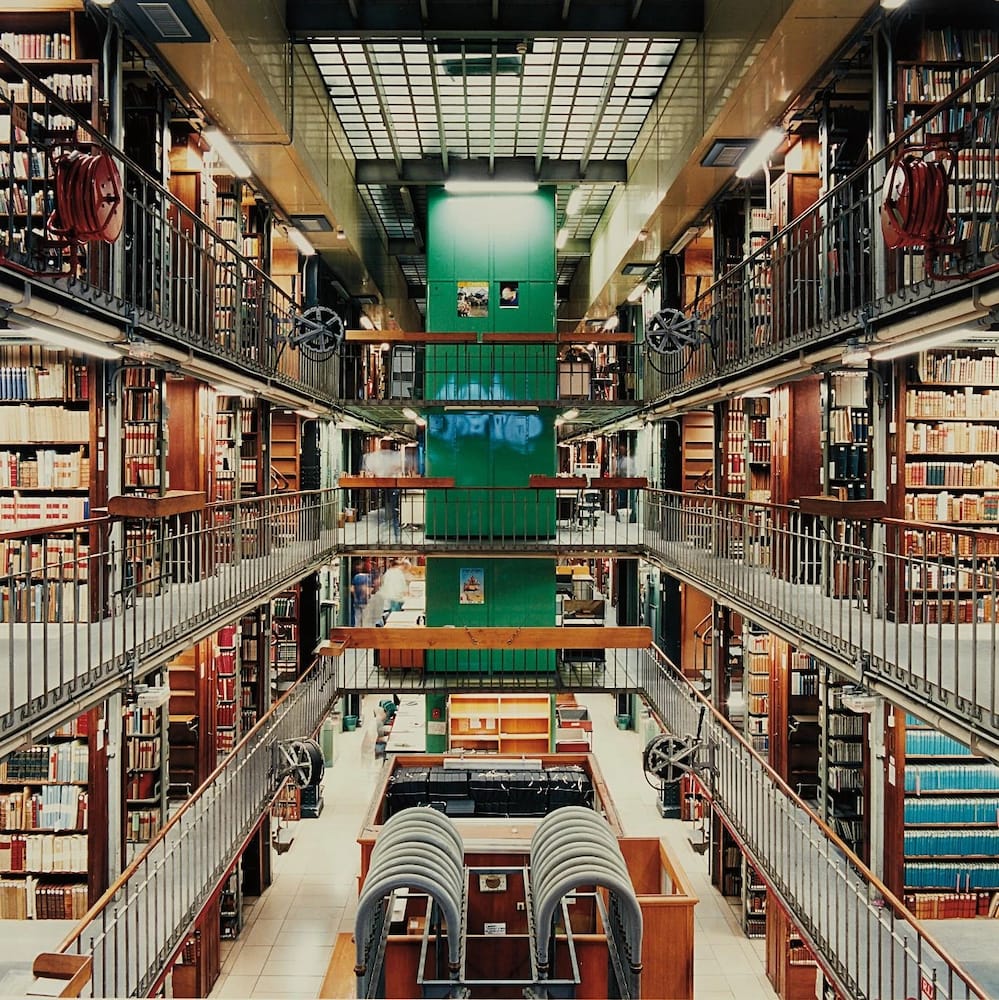
Later I walk past a tiny house whose library is empty.
The looking continues. I look up at trees and down at leaves as they tow my car away. I reach my hand out and a still life of apples on a wooden surface appears, then a hole in metal.
Might it be the poet’s sun?
No, I’m on the verse of Earth.
Flowers and stones and knitting intersect until, out of the chaos, a Ford Model T from the 1920s appears in perfect condition, parked right around the corner from my house.
Who left this here?
We wind up at the lake, where women are swimming for Hospicare in the annual event and John Simon and his band are playing. The music belongs to one event, the swimmers to another, my walking to neither of them exactly, yet for a few minutes they all occupy the same place.
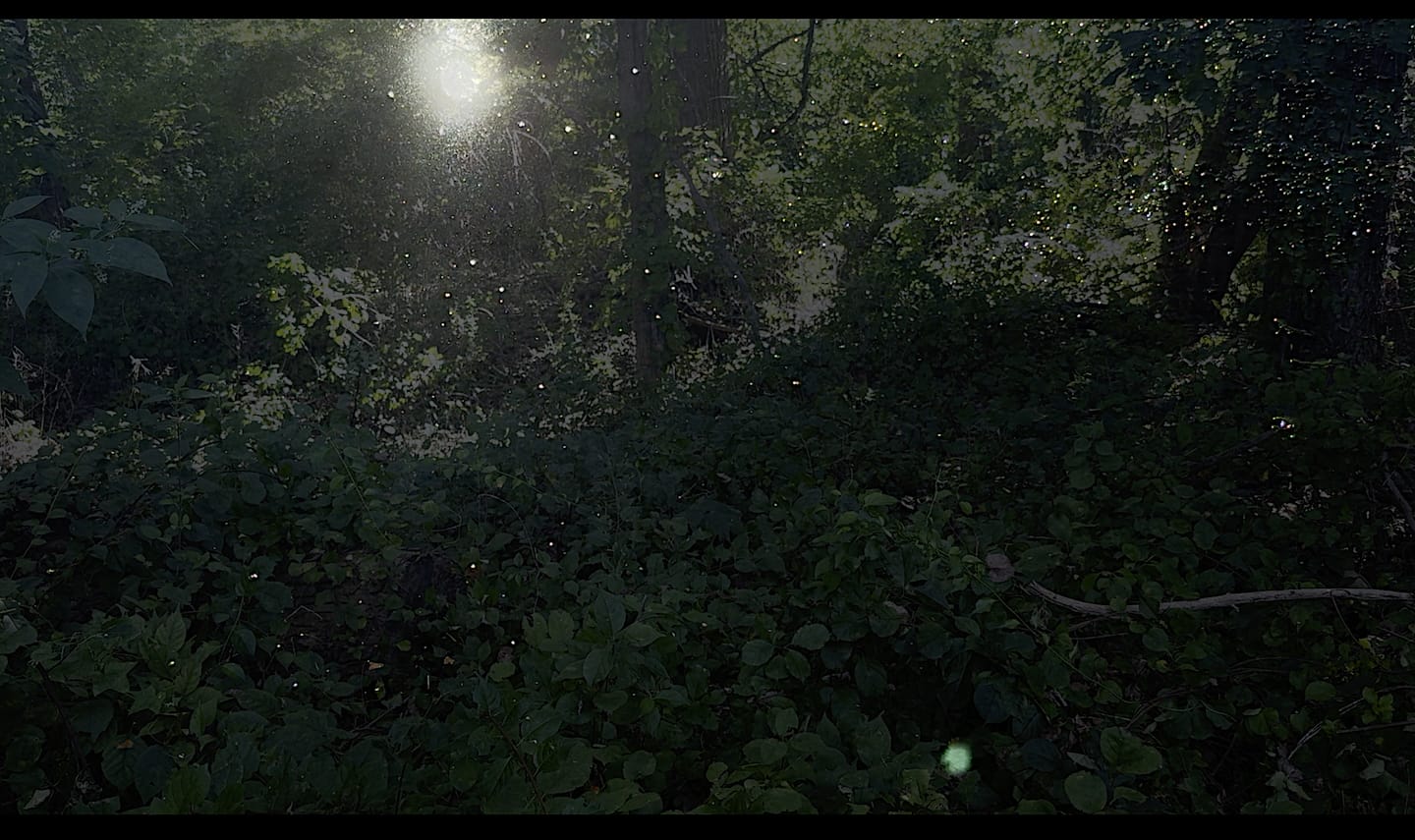
The sun sparkles off the surface of the lake like stars.
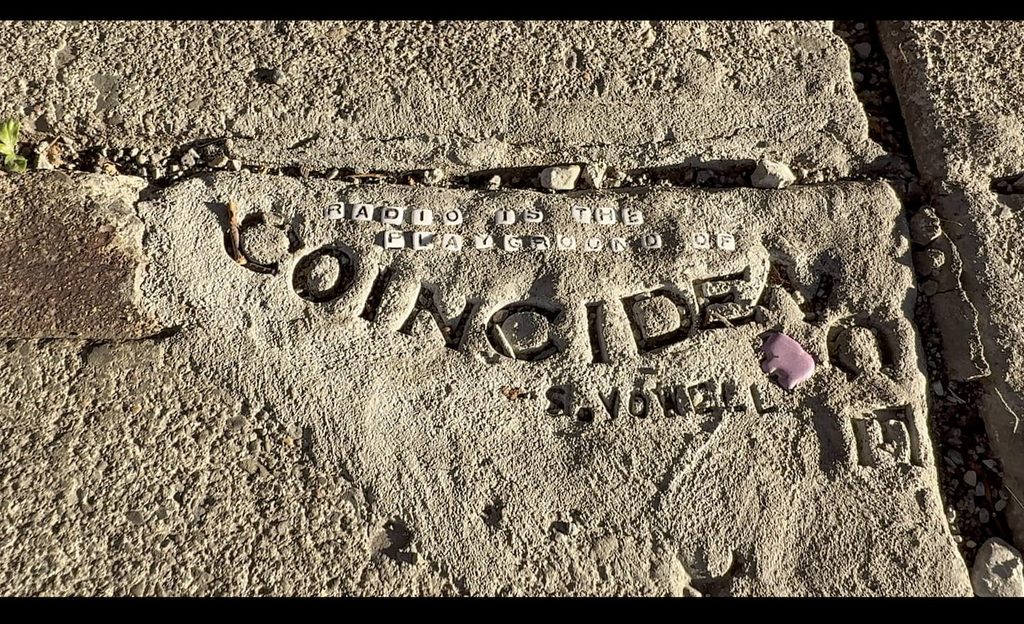
A snake is on the path and the camera points at it. We continue downtown past the mural I have come to call Perseverance, then past the street art outside WSKG:
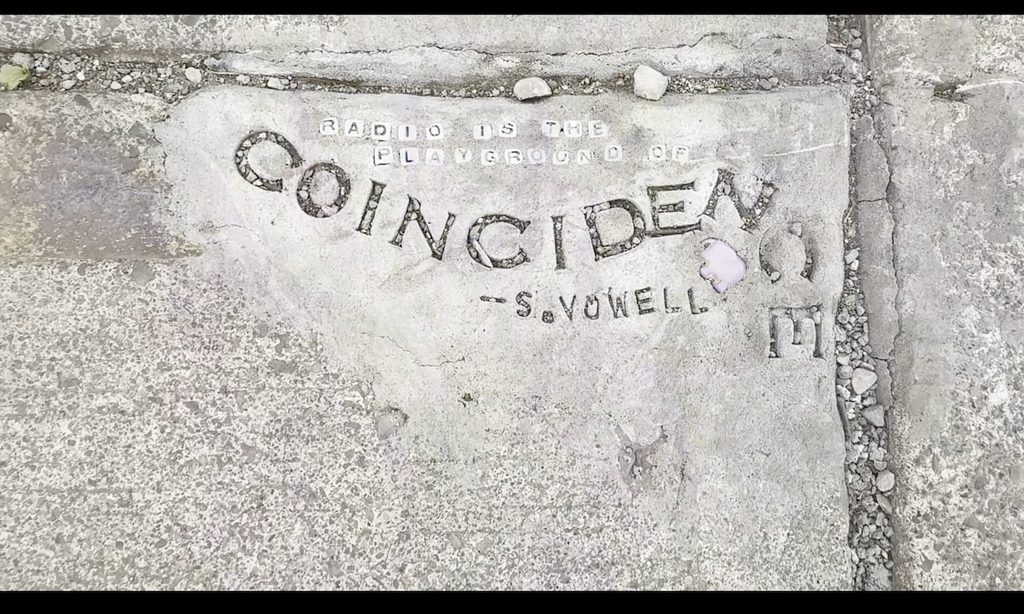
Radio is the playground of coincidence.
The walk has found its own title.
The Buffalo Pothole Bandit has transformed cracks and potholes in the sidewalk into mosaics, turning breaks in the pavement into public art.
Lyla’s friend Alec brings over his DSLR kit while I am working on my washing machine. We see the machine running with the top down, its mechanisms exposed, and then a sunflower pokes up out of the complexity and centers our sight back in the wild.
Out in the woods the cicadas are chirping.
Near the road I encounter a large hawk. It has left a fish on the path. I find the fish with my camera.
Seagulls rest in the field.
I continue to walk.
Someone has left monsters in their car.
Downstairs at an electronic-music event, a cacophony of sounds becomes a cacophony of ants, inner intestines and a steam shovel tearing up the street. One thing does not illustrate the next so much as collide with it. The sound becomes almost physical; machinery and anatomy begin to occupy the same visual field.
Our insides have become our outsides.
On the bridge in the woods by the water, we see the shadow of the walker right side up and upside down.
Cicadas continue to sing
A yellow line and chain intersect improbably.
Why these two things?
The camera does not say. For the moment, they simply exist beside one another.
It studies bees on a pink flower. Then, a butterfly emerges. Looking closely beside my footsteps, far clouds are reflected in the water.
My walking shadow blends among the veins of leaves stared at so closely that scale becomes uncertain, amid blocks of black through which an egret eventually emerges.
Near the street a sign at the JewelBox tells us that gems are “picked fresh from the nearest sparkle patch.”
This seems a reasonable description of what I am doing too.
We see the artist Jonathan Matas painting the Underground Railroad mural beneath the bridge near the Ithaca Commons, the mural I call Perseverance and will revisit many times during my outings over the next year. The image is not yet the image it will become. I am watching it happen.
My cat stalks through the grass.
Is there nothing happening here? Or is everything happening here?
The cicadas keep up their steady drone beat. Footsteps on the path, a glance at the steamroller, and then someone has left books outside where no one will read them in the rain.
Books ordinarily belong to preservation. These have been handed over to weather.
Paper absorbs water. Pages curl. Ink and bindings begin to change. It is an opportunity to see what happens when an object made to hold memory is allowed to decay, a kind of counter-preservation activity I will of course be sure to record.
Young friends of our son Cody come to visit and gather around our table. Charlotte laughs.
Then a white line in the grass, a sunflower, back on the trail, always returning home.
The dissolves begin to cascade. Man-made objects spin. Wheels resemble steam engines. Rectangles become shadows. A metal ball hangs in its own peculiar space.
When I return to the mural later that month it has acquired words:
Freedom and Perseverance.
The mural has changed because the artist continued working on it. The walk has changed because I returned.
Radio is the playground of coincidence, and I host my own.
At times I have written, perhaps provocatively, that there are no coincidences. I have wondered about making a literature review of books that try to understand coincidence and fate: The Celestine Prophecy, The Alchemist, The Anatomy of Fate. Human beings have always wanted to know whether the encounter that feels meaningful was waiting for us or whether we supplied the meaning after it occurred.
I do not think this film has to decide.
Perhaps the more interesting question is what happens when attention places two things beside one another.
A song encounters a tree. A news story accompanies a dog walk. An electronic composition finds ants and intestines. A sunflower grows out of a washing machine. A mural changes between visits. An abandoned object becomes sculpture because somebody stops to look at it.
For now we can build our own fate one frame at a time, reinventing the cinema for our personal enlightenment.
The August cacophony of cicadas reaches a crescendo as a giant close-up of barbed wire is overwhelmed by vegetation.
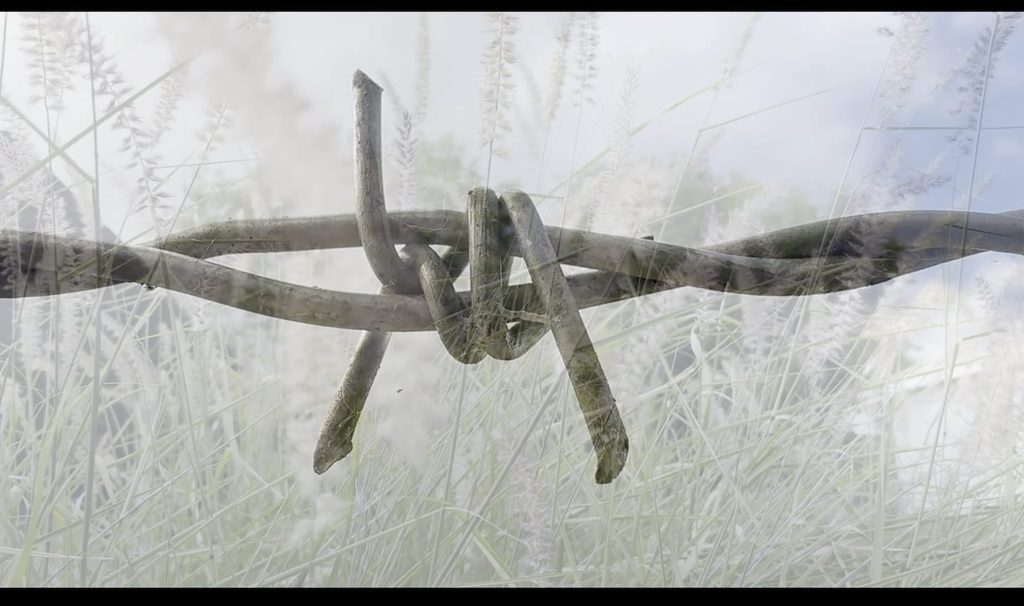
The wire was presumably put there to establish a boundary. The plants appear unimpressed.
Someone has left red wool on a fence, its red becoming the flames of flowers. Cracks in the street lead us to a toy helicopter that has crashed, or perhaps simply been abandoned for recycling, standing beside a lion.
The red rose by another name becomes what it was and what it will be, all in a matter of seconds.
That is not a real Harley-Davidson that goes by like a sign with arrows which turn into one another, then into burrows in the earth made by groundhogs, rabbits, badgers or gophers.
Or perhaps none of these things has anything to do with any of the others.
The dissolves suggest relationships faster than language can justify them. The eye accepts the transition before the mind has finished asking whether it makes sense.
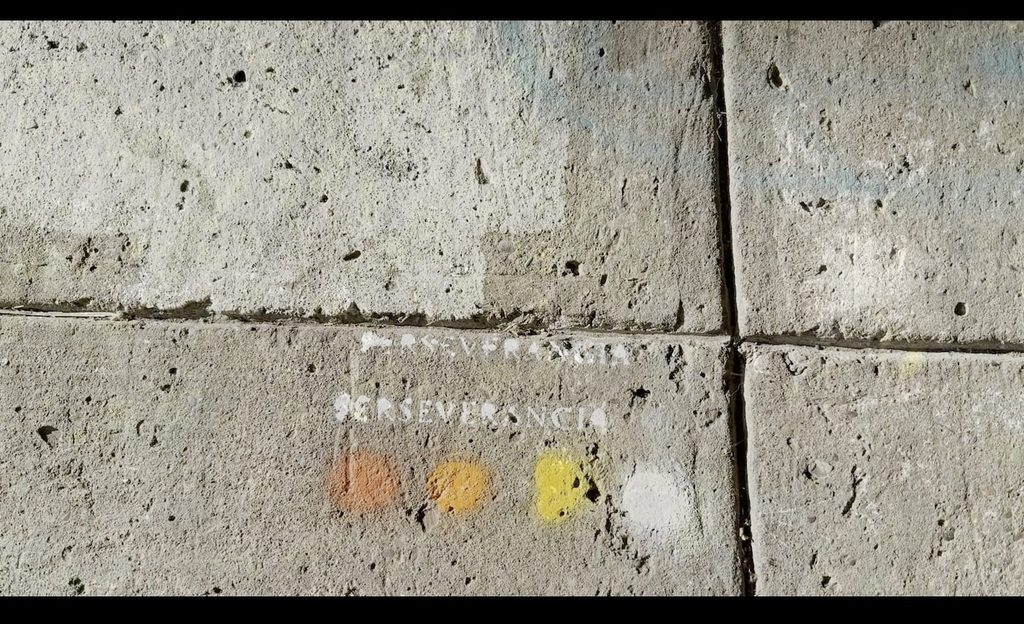
On the sidewalk someone has written:
perseverancia
An Earth flag moves in the wind in front of my house. I hung it there, and on a windy day I study it again when I return home.
I am mesmerized by the wind blowing through the willow tree beside the inlet.
There are measurements I could put around all of this. The Health app has collected my walking statistics since 2018, and I average about six miles a day. I keep an unusually careful record of the music I hear.
But I have chosen not to put the mileage and step counts at the top of the Fracking Resource Guide, and I have not made the playlist records the explanation of the films.
The measurements tell me something true.
They do not tell me what happened.
Six miles cannot explain why I stopped beneath a willow tree. A spreadsheet can tell me which track was playing but not what that track encountered while I was walking. The number of steps cannot preserve the crystals hanging inside a memorial tent, or the garden beyond them, or what happened when Viola spoke about her son.
The camera cannot preserve all of that either. It can only remain present for some of it.
The sun behind the leaves floats into the oily black of the shadow.
There is delight in finding these relationships, and absurdity in some of them. But coincidence is not always delightful. I am sad that our friends’ son has taken his own life at 26, and I worry about the well-being of all the young people in the world.
That knowledge occupies August too. It does not cancel the sunflower, the butterfly, Charlotte laughing, the women swimming, the Model T, the willow moving in the wind or Viola’s gratitude for her son having been on Earth.
Nor do those things explain the loss.
They have simply come to exist beside one another.
The sun disappears into the inky blackness of meaning lost or found in coincidence.
I keep looking.
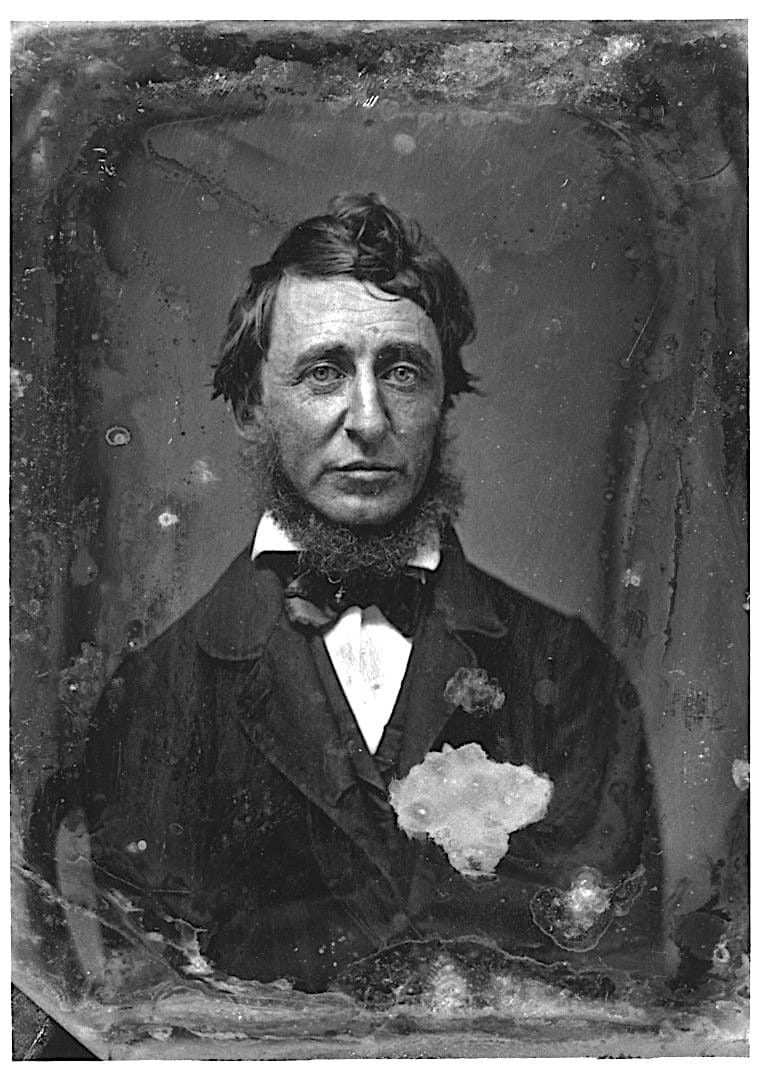
For I believe that climate does thus react on man,—as there is something in the mountain-air that feeds the spirit and inspires. Will not man grow to greater perfection intellectually as well as physically under these influences? Or is it unimportant how many foggy days there are in his life?
Henry David Thoreau. Walking. As published in Atlantic Monthly, 1862.
I trust that we shall be more imaginative, that our thoughts will be clearer, fresher, and more ethereal, as our sky,—our understanding more comprehensive and broader, like our plains,—our intellect generally on a grander scale, like our thunder and lightning, our rivers and mountains and forests,—and our hearts shall even correspond in breadth and depth and grandeur to our inland seas.
Smackdown
Official Story / Public Reckoning / Deeper Contrast
August 2025
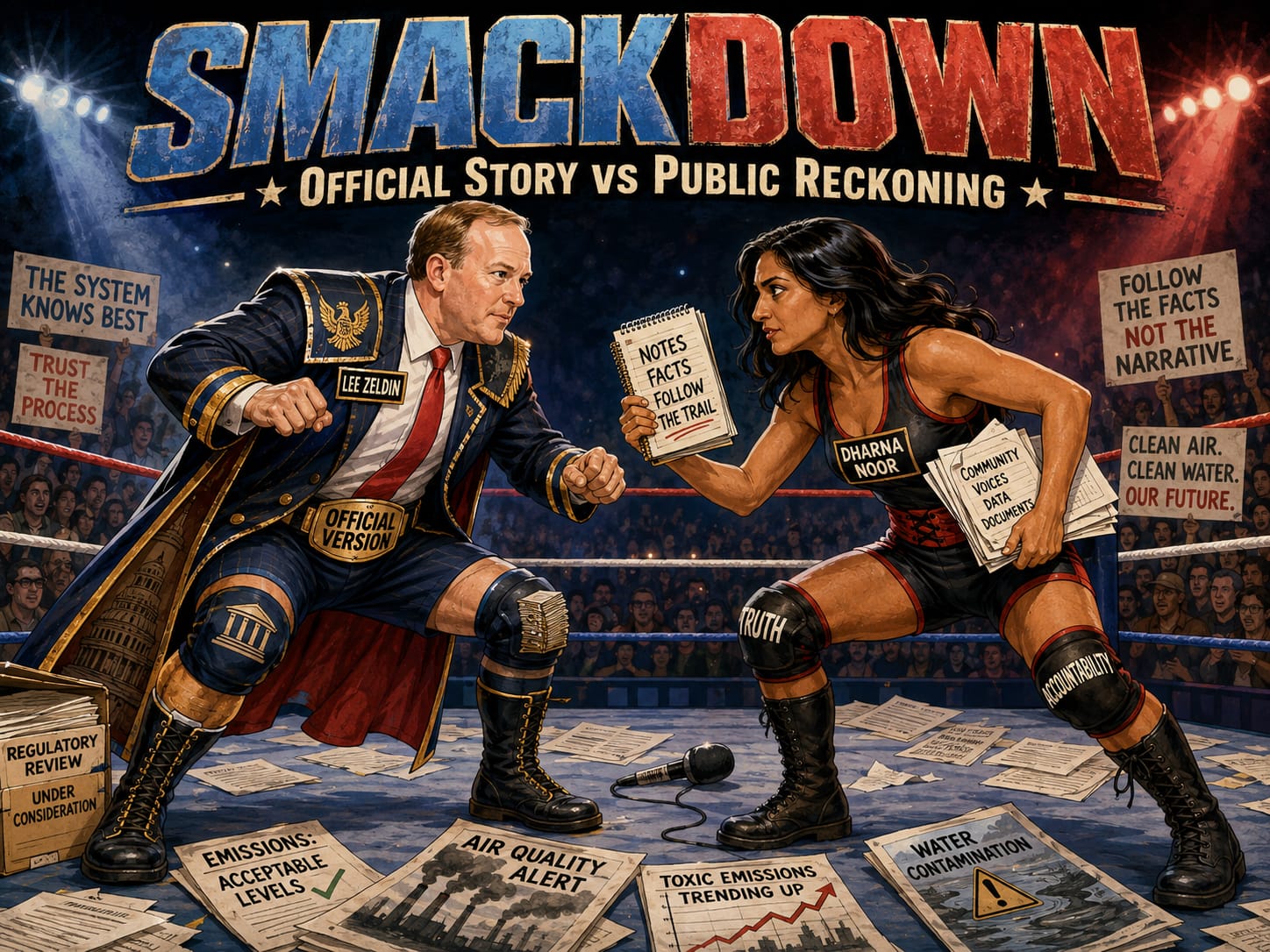
Federal / EPA, Energy
Federal agencies describe August through deregulation, legal reconsideration, consumer choice, energy affordability, grid reliability, and energy abundance. The administration moves to remove the scientific and legal finding that has allowed EPA to regulate greenhouse-gas emissions from motor vehicles, while the Department of Energy challenges prevailing assessments of climate risk and argues for keeping fossil-fuel infrastructure and generation available.
Emphasis
- EPA proposes rescinding the 2009 Endangerment Finding, the legal prerequisite for federal greenhouse-gas standards for new motor vehicles and engines, and removing those regulations for light-, medium-, and heavy-duty highway vehicles. EPA presents the proposal as a major deregulatory action that would restore consumer choice, lower regulatory costs, and reduce the cost of living.
- The Department of Energy releases A Critical Review of Impacts of Greenhouse Gas Emissions on the U.S. Climate, arguing that CO2-induced warming may be less economically damaging than commonly believed, that aggressive mitigation may impose greater costs than benefits, and that U.S. policy alone would have little detectable direct effect on global climate.
- EPA Administrator Lee Zeldin argues for reviving the Constitution Pipeline, presenting additional natural-gas infrastructure as a way to improve grid stability, lower energy prices, support economic growth, and strengthen national security.
- Energy Secretary Chris Wright orders the J.H. Campbell coal-fired power plant in Michigan to remain available for operation, describing the intervention as necessary to minimize the risk of power shortages and preserve reliable electricity.
- EPA moves against California heavy-duty vehicle requirements, describing the state program as an unlawful expansion of authority that could increase costs beyond California.
Key verbs
- rescind
- remove
- restore
- reduce
- secure
- keep
Foregrounded
Legal authority, regulatory costs, vehicle choice, energy prices, grid reliability, national security, industrial growth, and the availability of fossil-fuel infrastructure. Climate policy is repeatedly evaluated in terms of what regulation may cost, restrict, prevent, or remove.
Minimized or contested
The scale of present and future climate harm, the health consequences associated with fossil-fuel pollution, and the scientific basis for treating greenhouse gases as a danger to public health and welfare. The Department of Energy addresses climate science directly, but reaches conclusions sharply disputed by many climate scientists.
The Guardian / National Academies / Science
The public record follows August through scientific evidence, physical effects, and health. Scientists challenge the Department of Energy report, the National Academies begin an independent review of the Endangerment Finding, extreme heat is attributed more strongly to human-caused warming, and new research quantifies health damage associated with the oil-and-gas system.
Emphasis
- Climate scientists criticize the Department of Energy climate report as selective and misleading, arguing that it gives disproportionate weight to contrarian interpretations while discounting a much larger body of established climate research.
- The National Academies launch an independent review of evidence accumulated since 2009 on whether greenhouse-gas emissions are reasonably anticipated to endanger public health and welfare. The review is initiated in response to EPA’s proposed rescission.
- Scientists find that human-caused warming made the July Nordic heatwave substantially more likely and hotter. Hospitals overheated while wildfires, drownings, and toxic algal blooms increased even in countries historically associated with cooler climates.
- The Guardian reports on the federal order keeping Michigan’s J.H. Campbell coal plant operating beyond its planned retirement, examining the financial cost to ratepayers as well as the pollution and health consequences of extending the plant’s life.
- Dharna Noor reports on research estimating more than 90,000 premature U.S. deaths each year from air pollution associated with the oil-and-gas system. The study also estimates 216,000 cases of childhood-onset asthma and more than 10,000 preterm births, with unequal burdens among communities of color.
Key verbs
- review
- measure
- attribute
- document
- warn
- expose
- harm
Foregrounded
Observed effects, accumulated scientific evidence, human health, extreme heat, pollution exposure, climate attribution, and the costs borne by people living near or downstream from fossil-fuel production and infrastructure.
Minimized or absent
The administration’s broader case that additional fossil-fuel infrastructure and dispatchable generation may be needed for reliability, rising electricity demand, and near-term affordability receives less emphasis than the environmental, health, and climate consequences.
Sources
- U.S. Environmental Protection Agency. Proposed Rule: Reconsideration of 2009 Endangerment Finding and Greenhouse Gas Vehicle Standards. Published in the Federal Register 1 Aug 2025.
- U.S. Department of Energy. Department of Energy Issues Report Evaluating Impact of Greenhouse Gasses on U.S. Climate, Invites Public Comment. 29 Jul 2025. U.S. Department of Energy.
- Lee Zeldin. Building the Constitution Pipeline is vital for New England’s grid stability. 5 Aug 2025. U.S. Environmental Protection Agency.
- U.S. Department of Energy. Energy Secretary Issues Order to Secure Grid Reliability in Midwest. 21 Aug 2025. U.S. Department of Energy.
- U.S. Environmental Protection Agency. EPA Takes Action to Deny California’s Latest Illegal Power Grab on Heavy-Duty Vehicles. 25 Aug 2025. U.S. Environmental Protection Agency.
- The Guardian. Scientists slam Trump administration climate report as a ‘farce’ full of misinformation. 1 Aug 2025. The Guardian.
- National Academies of Sciences, Engineering, and Medicine. National Academies Launch Fast-Track Review of Latest Evidence for Whether Greenhouse Gas Emissions Endanger Public Health and Welfare. 7 Aug 2025. National Academies.
- Damian Carrington. ‘No country is safe’: deadly Nordic heatwave supercharged by climate crisis, scientists say. 14 Aug 2025. The Guardian.
- The Guardian. A coal-fired plant in Michigan was to close. But Trump forced it to keep running at $1m a day. 21 Aug 2025. The Guardian.
- Dharna Noor. Air pollution from oil and gas causes 90,000 premature US deaths each year, says new study. 22 Aug 2025. The Guardian.
The Deeper Contrast
August keeps asking whether things that appear beside one another belong together. The camera allows a relationship to appear before deciding what the relationship means.
The Smackdown also places things beside one another, but here the adjacency is deliberate.
Elsewhere in the same month, scientists attribute an extreme Nordic heatwave more strongly to human-caused warming. Researchers quantify premature deaths and illness associated with pollution from the oil-and-gas system. The federal government orders a coal plant that was preparing to close to remain available.
These are not the accidental correspondences of the walk.
They belong to the same public argument about what constitutes harm, what evidence government should consider, what costs should count, and what obligations follow from knowing them. The distinction matters. The Endangerment Finding concerns greenhouse gases and the legal authority to regulate them. The oil-and-gas health study examines other forms of air pollution as well. Heat, asthma, carbon dioxide, electricity prices and grid reliability are not interchangeable problems merely because fossil fuels connect them.
Things can exist beside one another without becoming the same thing.
That was one of August’s lessons on the walk. It may also be a useful discipline for reading public policy. The official record asks us to notice the costs of regulation, limits of statutory authority, demand for energy and the reliability of the electrical system. The scientific and journalistic record asks us to notice another set of costs: heat, pollution, illness, environmental change and the consequences of continued emissions.
Neither disappears because attention is directed toward the other.
Perhaps this is where Playground of Coincidence stops being playful.
In the film, I can leave a yellow line beside a chain and allow the question to remain unanswered. Public policy eventually has to choose.
See: The Case for a Truth and Reconciliation Commission on Toxic Hazards
See: Stripping the West
See: The Need for Mass Mobilizations
See: Beware The Green Dragon! | Right Wing Watch
See: About this website
See: Perseverance