(Editor’s Note, 15 Dec 2024. The original item is no longer available on the web. The former title of this piece was: Natassaja Noell. Gas drilling and toxic terrorists: New York City Mayor says risks of gas drilling “unacceptable”. 23 Mar 2010. Examiner.)
Earthworks. Blackout in the Gas Patch: Blackout Case Study 4 – Angel and Wayne Smith. 18 Sep 2014. Earthworks.
Other parts of Blackout in the Gas Patch:
- Press release
- Full Report
- Executive Summary
- Photos from the report (great photos on Flickr!)
From the case study:
Events in Angel and Wayne Smith’s community of Clearville illustrate the trajectory of gas development in Pennsylvania. In 2007, Steckman Ridge, LP (a subsidiary of Spectra Energy) proposed to build a Marcellus Shale gas storage project by converting and expanding an older Oriskany Sandstone gas production field, parts of which would run under and near the Smith’s home and cattle operations.
Our research on gas wells and facilities in the area revealed several pollution events, problems that persisted for long periods of time, and plausible reasons why the development would have compromised air and water quality. In addition, there were instances when the Pennsylvania Department of Environmental Protection (DEP) gave operators the benefit of the doubt about activities and incidents. Yet it was only because residents filed complaints that DEP conducted some inspections and investigations and discovered violations.
Over time, the Smiths and several neighbors have developed increasingly frequent headaches, bouts of fatigue, sinus problems, throat and eye irritation, muscle tremors, and shortness of breath. They wonder if groundwater conditions might have changed due to early drilling activities, the shutting in of production wells, or continual injection and withdrawal of gas at the storage field. They’ve tracked when blowdowns and venting occur at the station and possible links to their health problems. They’ve filed numerous complaints with DEP, the US Environmental Protection Agency (EPA), and the US National Response Center (NRC), written to public officials, and filed Right-to-Know requests to obtain documents on operations and emissions.
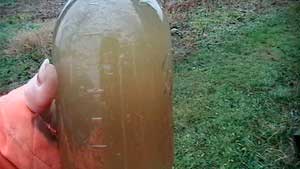
The Smiths trace the start of their problems to the summer of 2007, when the taste, odor, and appearance of water from their well and spring began to change. Over the course of several months, a horse and three cows died and 12 calves were either miscarried or stillborn—unprecedented losses in decades of farming. When operations expanded at the Steckman Ridge Quarles Compressor station, the Smiths and other residents started experiencing frequent noise and odors and declining air quality…
Earthworks. Blackout in the Gas Patch: Blackout Case Study 4 – Angel and Wayne Smith. 18 Sep 2014. Earthworks.
See also: Ellen Cantarow. The downwinders: Fracking ourselves to death in Pennsylvania. 11 May 2013. Al Jazeera.
Living closer to gas-field infrastructure increases the risk of severe deterioration in health, writes Cantarow.
More than 70 years ago, a chemical attack was launched against Washington state and Nevada. It poisoned people, animals, everything that grew, breathed air and drank water. The Marshall Islands were also struck. This formerly pristine Pacific atoll was branded “the most contaminated place in the world”. As their cancers developed, the victims of atomic testing and nuclear weapons development got a name: downwinders. What marked their tragedy was the darkness in which they were kept about what was being done to them. Proof of harm fell to them, not to the US government agencies responsible.
Now, a new generation of downwinders is getting sick as an emerging industry pushes the next wonder technology – in this case, high-volume hydraulic fracturing. Whether they live in Texas, Colorado, or Pennsylvania, their symptoms are the same: rashes, nosebleeds, severe headaches, difficulty breathing, joint pain, intestinal illnesses, memory loss and more. “In my opinion,” says Yuri Gorby of Rensselaer Polytechnic Institute, “what we see unfolding is a serious health crisis, one that is just beginning.”
See also: Chris Bennett.Pipelines and Farmers Battle Over Lifetime Loss.14 Nov 2017. AgWeb Farm Journal.
See: NYCDEP Calls for Prohibition on Drilling in the New York City Watershed