This Website is a Crash Course In Fracking
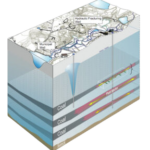
A curated collection of bibliographic resources, government documents, letters, and video investigations serves as a crash course in fracking.
Source: Neil Zusman (2010) Read More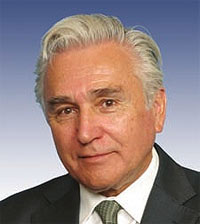
Maurice Dunlea Hinchey (October 27, 1938 – November 22, 2017) was an American politician who served as a U.S. Representative from New York and was a member of the Democratic Party. He retired at the end of his term in January 2013 after 20 years in Congress. …He was particularly noted for his work on protecting the natural environment. For 14 years, he chaired the Environmental Conservation Committee. Hinchey also served on the Ways and Means, Rules, Banks, Health, Higher Education, Labor, Energy and Agriculture committees. During his chairmanship of the Committee on Environmental Conservation, the committee conducted a successful investigation into the causes of “Love Canal,” the nation’s first major toxic dump site. During his tenure, he aided in the passage of the country’s first law concerning regulation of acid rain. His committee also gained public attention for its investigation of the infiltration of the waste removal industry by organized crime.
A curated collection of bibliographic resources, government documents, letters, and video investigations serves as a crash course in fracking.
Source: Neil Zusman (2010) Read More
Legislation introduced in Congress sought to amend the Safe Drinking Water Act to remove exemptions shielding hydraulic fracturing from federal oversight. Supporters argued the change would restore transparency and accountability. Industry groups warned of duplication and delay. The bill spotlighted the “Halliburton loophole” in statutory form.
Source: Library of Congress (2009) Read More
The Interior Department wades into controversy as it mulls whether to require drilling companies to disclose the chemicals they use to frack wells drilled on public lands.
Source: ProPublica (2011) Read More
A leading congressional critic of shale drilling is scolding the Obama administration for failing to try to slow drilling in the Northeast’s Marcellus Shale.
Source: The New York Times | Greenwire (2010) Read More
EPA water resources documentation outlined contamination pathways, aquifer vulnerability, and monitoring protocols tied to energy development. Beneath political disputes lies hydrology — fracture networks, pressure gradients, and migration risks that do not respond to talking points.
Source: Earthworks (2004) Read More
President Obama and federal officials declined calls to seek a temporary halt on Marcellus Shale drilling in the Delaware River Basin pending a cumulative environmental impact study, despite appeals from Rep. Maurice Hinchey and environmental advocates. The dispute exposed tensions between economic development and watershed protection, with critics arguing that comprehensive risk assessment should precede regulatory approval in order to safeguard the basin’s Special Protection Waters.
Source: The New York Times: Greenwire (2010) Read More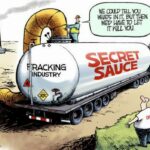
The so-called “Halliburton Loophole” exempted hydraulic fracturing from key provisions of the Safe Drinking Water Act. Critics argued the exemption shielded industry from meaningful oversight, while defenders insisted state regulation sufficed. At stake: whether federal law should close the gap between energy development and environmental accountability.
Source: The New York Times (2009) Read More
As drilling expanded across the Marcellus region, elected officials split along economic and environmental lines. Promises of jobs and tax revenue competed with warnings about water contamination and landscape fragmentation. The shale boom reshaped not only terrain, but political alliances.
Source: Press & Sun-Bulletin: pressconnects.com (2009) Read More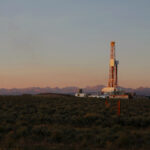
Investigative reporter Abrahm Lustgarten examined whether hydraulic fracturing posed risks to underground water supplies long assumed safe. Internal documents, field reports, and federal hesitations suggested a murkier picture than public assurances implied. At stake: aquifers serving millions. The promise of cleaner-burning fuel collided with a quieter question — what happens if the contamination is slow, invisible, and hard to prove?
Source: ProPublica (2008) Read More