U.S. EPA Water Enforcement

U.S. EPA Water Enforcement

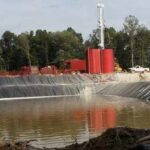
The Environmental Protection Agency’s water enforcement division pursues violations related to discharges, contamination, and compliance under federal water statutes. Under the Clean Water Act, the law’s objective is to “restore and maintain the chemical, physical, and biological integrity of the nation’s waters,” while recognizing state responsibilities and providing federal assistance — including funding for publicly owned treatment works. Enforcement records form the regulatory ledger that reveals how that mandate is implemented, tested, or challenged in drilling regions.

Source: U.S. EPA (2023) Read More
Clean Water Act Definition of “Waters of the United States”

Clean Water Act Definition of "Waters of the United States"

Americans depend on clean and abundant water. However, over the past decade, interpretations of Supreme Court rulings removed some critical waters from Federal protection, and caused confusion about which waters and wetlands are protected under the Clean Water Act.

Source: US EPA: Wetlands | Clean Water Act (1972) Read More

EPA Hydraulic Fracturing Study Plan Review Panel

EPA Hydraulic Fracturing Study Plan Review Panel

The Panel will review and provide independent expert advice on EPA’s draft Hydraulic Fracturing Study Plan that will investigate the potential public health and environmental protection research issues that may be associated with hydraulic fracturing.

Source: EPA Science Advisory Board (SAB) (2011) Read More

Safe Drinking Water Act (SDWA) | Safe Drinking Water Act | US EPA

Safe Drinking Water Act (SDWA) | Safe Drinking Water Act | US EPA

The Safe Drinking Water Act establishes federal standards to protect public water supplies from contamination. Its authority over underground injection became central to the hydraulic fracturing debate — especially after exemptions narrowed its reach. The statute’s language determines what protections apply beneath the surface.

Source: U.S. Environmental Protection Agency (1974) Read More

U.S. EPA Initiates Hydraulic Fracturing Study | Meeting | EPA Science Advisory Board (SAB)

U.S. EPA Initiates Hydraulic Fracturing Study | Meeting | EPA Science Advisory Board (SAB)

Under mounting pressure, the EPA launched a comprehensive study of hydraulic fracturing’s potential impacts on drinking water resources. The move signaled federal recognition that questions about contamination required systematic review. Communities awaiting answers looked to the agency for clarity — and for evidence that could withstand political crosswinds.

Source: U.S. Environmental Protection Agency (EPA) (2010) Read More

U.S. Environmental Protection Agency (EPA): Hydraulic Fracturing Study (2010-2012)

U.S. Environmental Protection Agency (EPA): Hydraulic Fracturing Study (2010-2012)

The Environmental Protection Agency compiled research, guidance, and regulatory interpretations on hydraulic fracturing as public scrutiny intensified. From underground injection rules to drinking water protections, the agency’s evolving position signaled how far federal oversight would reach — and where exemptions still stood.

Source: U.S. Environmental Protection Agency (EPA) (2010) Read More

U.S. Environmental Protection Agency (EPA): EPA Announces “Eyes on Drilling” Tipline.

U.S. Environmental Protection Agency (EPA): EPA Announces “Eyes on Drilling” Tipline.

The Environmental Protection Agency weighed how existing federal statutes applied to hydraulic fracturing — parsing authority under the Safe Drinking Water Act and Clean Water Act. As pressure mounted from both industry and environmental groups, the EPA’s interpretations shaped whether certain practices required permits or fell through regulatory gaps.

Source: US EPA: “Eyes on Drilling” Tipline. (2010) Read More

U.S. (EPA): Elimination of Diesel Fuel in Hydraulic Fracturing Fluids Injected into Underground Sources of Drinking Water During Hydraulic Fracturing of Coalbed Methane Wells

U.S. (EPA): Elimination of Diesel Fuel in Hydraulic Fracturing Fluids Injected into Underground Sources of Drinking Water During Hydraulic Fracturing of Coalbed Methane Wells

The U.S. Environmental Protection Agency moved to eliminate the use of diesel fuel in hydraulic fracturing fluids without proper permitting under the Safe Drinking Water Act. Diesel contains benzene and other hazardous compounds. The policy signaled a tightening stance — a recognition that what goes downhole can travel in ways regulators once downplayed.

Source: U.S. Environmental Protection Agency (EPA) (2003) Read More

U.S. Environmental Protection Agency (EPA): Private Drinking Water Wells

U.S. Environmental Protection Agency (EPA): Private Drinking Water Wells

As the EPA proposed new guidance or rule adjustments affecting drilling oversight, stakeholders mobilized. Public comment periods filled with submissions from industry groups, environmental advocates, and private citizens. Proposed rules are not final decisions — but they mark moments when policy direction becomes visible.

Source: U.S. Environmental Protection Agency (EPA): Private Drinking Water Wells (2010) Read More

U.S. Environmental Protection Agency (EPA): Comment on the Draft Supplemental Environmental Impact Statement (dSGEIS) sent to the New York State Department of Environmental Conservation (DEC) during the public comment period closing 12/31/09.

U.S. Environmental Protection Agency (EPA): Comment on the Draft Supplemental Environmental Impact Statement (dSGEIS) sent to the New York State Department of Environmental Conservation (DEC) during the public comment period closing 12/31/09.

As the EPA advanced climate-related findings and regulatory steps, including endangerment determinations, greenhouse gas emissions from energy systems entered formal regulatory territory. The shift signaled that climate science was no longer advisory — it could trigger enforceable standards.

Source: U.S. Environmental Protection Agency (EPA) (2009) Read More
Item added to cart.
0 items - $0.00