Abrahm Lustgarten

Abrahm Lustgarten

Abrahm Lustgarten is an American investigative reporter, author, filmmaker and public speaker specializing in human adaptation to climate change, and an educator training journalists in cross-disciplinary communication about the climate crisis. He writes on staff for ProPublica and has worked with the New York Times Magazine.

Reporter’s Notebook: Hydraulic Fracturing
Reporter's Notebook: Hydraulic Fracturing

Anecdotal evidence has been criticized by Gas Industry advocates in the debate over the inadequately funded EPA study. There have been many anecdotal reports of fouled wells and air pollution, unknown risks to chemical exposure and hydrogen sulfide, and methane leaking from gas compressors captured on infrared film.

Source: YouTube (2009) Read More

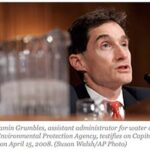
Congress Launches Investigation Into Gas Drilling Practices

Congress Launches Investigation Into Gas Drilling Practices

Members of Congress initiated investigations into gas drilling practices, requesting documents and testimony related to environmental impacts and regulatory compliance. When congressional oversight activates, the technical mechanics of fracking move into public record.

Source: ProPublica (2010) Read More

Broad Scope of EPA’s Fracturing Study Raises Ire of Gas Industry

Broad Scope of EPA’s Fracturing Study Raises Ire of Gas Industry

As the EPA widened its inquiry into hydraulic fracturing’s impact on drinking water, industry voices warned of regulatory overreach. Environmental advocates countered that only a comprehensive study could address long-standing concerns about chemical disclosure, groundwater contamination, and cumulative risk. The debate signaled a turning point: fracking was no longer a regional issue but a national policy flashpoint.

Source: ProPublica (2010) Read More

Pennsylvania Orders Cabot Oil and Gas to Stop Fracturing in Troubled County – ProPublica

Pennsylvania Orders Cabot Oil and Gas to Stop Fracturing in Troubled County - ProPublica

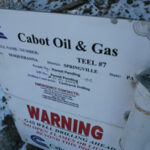
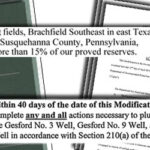
After three chemical spills in nine days, Pennsylvania regulators ordered Cabot Oil and Gas to suspend hydraulic fracturing operations in Susquehanna County pending review. The Department of Environmental Protection cited ongoing environmental concerns and prior violations. The temporary halt signaled escalating tension between state oversight and aggressive shale development, as communities pressed for stronger enforcement amid a surge in drilling activity.

Source: ProPublica (2009) Read More

Frack Fluid Spill in Dimock Contaminates Stream, Killing Fish – ProPublica

Frack Fluid Spill in Dimock Contaminates Stream

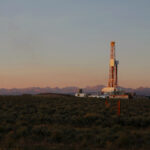
Pennsylvania environmental officials were racing to contain up to 8,000 gallons of hazardous drilling fluid after a series of spills at a natural gas site near Dimock. The incident, in a community already shadowed by water contamination fears, reignited scrutiny of high-volume fracking practices and regulatory oversight. As cleanup crews worked, residents questioned whether enforcement could keep pace with the accelerating Marcellus Shale boom.

Source: ProPublica (2009) Read More

Natural Gas Drilling: What We Don’t Know

Natural Gas Drilling: What We Don’t Know

ProPublica examined the unanswered scientific questions surrounding fracking’s long-term impacts. With limited federal oversight and patchwork state regulation, researchers and residents alike confronted a troubling reality: large-scale shale development was advancing faster than independent study could verify its safety.

Source: ProPublica (2009) Read More

Buried Secrets: Is Natural Gas Drilling Endangering U.S. Water Supplies?

Buried Secrets: Is Natural Gas Drilling Endangering U.S. Water Supplies?

Investigative reporter Abrahm Lustgarten examined whether hydraulic fracturing posed risks to underground water supplies long assumed safe. Internal documents, field reports, and federal hesitations suggested a murkier picture than public assurances implied. At stake: aquifers serving millions. The promise of cleaner-burning fuel collided with a quieter question — what happens if the contamination is slow, invisible, and hard to prove?

Source: ProPublica (2008) Read More
Item added to cart.
0 items - $0.00