Search Results for: wastewater

49 results found

Keywords Filter Sort

Drilling Wastewater Disposal Options in N.Y. Report Have Problems of Their Own – ProPublica

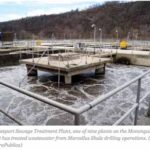
New York faced a practical question with massive implications: what do you do with the wastewater? Truck it? Treat it? Inject it? Store it? The choices sound technical until you scale them — volumes, routes, facilities, permits — and realize disposal is the hidden engine of the boom. This entry centers the downstream reality of fracking: what comes back up, where it goes, and which communities inherit the burden.

Source: ProPublica (2009) Read More


WATER: Hundreds turn out to oppose wastewater facility – Corning, NY – The Corning Leader

Hundreds packed a public meeting to challenge a proposed wastewater treatment facility meant to handle drilling runoff. Residents worried about contaminants, truck convoys, and what might slip through filtration. Officials argued the plant would manage an unavoidable byproduct of the boom. But the turnout signaled something deeper: communities refusing to be quiet endpoints for an industry’s leftovers.

Source: Corning Leader (2010) Read More

Plan to send fracking wastewater near Keuka Lake is abandoned | stargazette.com | Star-Gazette

A contentious plan by Chesapeake Energy to convert an abandoned gas well in Pulteney, New York, into a deep-well wastewater disposal site near Keuka Lake is officially dead—though the company left the door open for similar facilities in the future. The proposal, which would have handled more than 180,000 gallons of Marcellus Shale fracking waste per day, drew opposition from local residents, Pulteney Town Supervisor Bill Weber, U.S. Rep. Eric Massa, and Walter Hang of Ithaca-based Toxics Targeting, who argued that grassroots resistance in the Finger Lakes influenced decisions before the EPA and the New York DEC.

Source: Ithaca Journal (2010) Read More

Plan to truck hydrofracking wastewater to Finger Lakes shelved, for now

Sharon Daggat and her husband have a 52 acre farm, 38 acres used as a vineyard, in the Steuben County town of Pulteney. They are concerned about a permit that would allow Chesapeake Energy to store hydrofracking wastewater in an empty natural gas well next to their property. Their property is less than a mile west of Keuka Lake. They fear contamination of their well water and damage to their vineyard.

Source: syracuse.com (2010) Read More

Despite overhaul, gas wastewater still a problem

Pennsylvania’s natural gas drillers are still flushing vast quantities of contaminated wastewater into rivers that supply drinking water, despite major progress by the industry over the past year in curtailing the practice.

Source: The Mercury | PottsMerc.com (2011) Read More

Pa. drillers told to stop sending wastewater to treatment plants

The bromides themselves are not a public health risk – they account for a tiny part of the salty dissolved solids that create an unpleasant taste in water at elevated levels. …But bromides react with the chlorine disinfectants used by drinking water to form brominated trihalomethanes (THMs), a volatile organic compound.

Source: Philadelphia Inquirer (2011) Read More

Magic for Water 📺

I walk alone, looking at water, light and whatever enters the frame, while the larger world arrives through war, politics, climate and memory. The work begins in solitude but is meant for others: an offering, perhaps knowingly inadequate, made in the hope that looking closely can still help us live together.

Source: Mixplex (2026) Read More

Family 📺

November carries public grief and cosmic scale along the same path. Carl Sagan’s apple pie opens the scale outward. If you wish to make an apple pie from scratch, you must first invent the universe. We begin to understand this.

Source: Mixplex (2026) Read More

U.S. EPA Water Enforcement

The Environmental Protection Agency’s water enforcement division pursues violations related to discharges, contamination, and compliance under federal water statutes. Under the Clean Water Act, the law’s objective is to “restore and maintain the chemical, physical, and biological integrity of the nation’s waters,” while recognizing state responsibilities and providing federal assistance — including funding for publicly owned treatment works. Enforcement records form the regulatory ledger that reveals how that mandate is implemented, tested, or challenged in drilling regions.

Source: U.S. EPA (2023) Read More

Pit Pollution

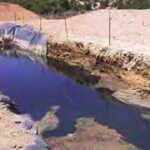
Reports of pollution from open waste pits highlighted risks associated with storing drilling byproducts on-site. Wildlife mortality, groundwater concerns, and surface runoff raised questions about containment practices. Waste management remains one of the less visible — yet consequential — aspects of shale development.

Source: Earthworks (2004) Read More

Shale gas in the United States – Wikipedia, the free encyclopedia

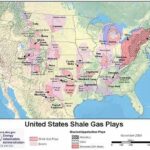
A high-level snapshot of how shale gas moved from experimental technique to dominant source of U.S. natural gas production. It traces the arc: horizontal drilling, hydraulic fracturing, major basins (Barnett, Marcellus, Haynesville), and the policy fights that followed. Useful as a fast orientation tool — a place to collect names, dates, and terms — before you dive into the messier record of spills, exemptions, and enforcement.

Source: Wikipedia (2010) Read More

Energy in Depth

Energy in Depth continued to advocate for hydraulic fracturing through media outreach and rapid-response commentary, positioning itself as a counterweight to environmental criticism. In the shale era, narrative strategy became as organized as drilling logistics.

Source: Energy in Depth (2010) Read More

Lenape Resources, Inc.

Lenape Resources operated in upstate New York, exploring gas prospects amid a regulatory landscape that remained uncertain. Smaller operators often navigated tighter margins and local scrutiny, their ambitions tied closely to state permitting decisions.

Source: Lenape Resources, Inc. (2010) Read More

East Resources

East Resources expanded rapidly in the Marcellus before selling major holdings in a multibillion-dollar transaction. The sale underscored how shale acreage could be aggregated and monetized quickly, turning regional drilling plays into national financial events.

Source: East Resources (2010) Read More

A Fracking First in Pennsylvania: Cattle Quarantine

In a striking case reported by ProPublica, cattle in Pennsylvania were quarantined after exposure to drilling wastewater. The incident brought agricultural risk into the shale narrative, linking industrial operations with livestock health. When farms enter the story, extraction feels less remote and more immediate.

Source: ProPublica (2010) Read More

Barnett Shale Energy Education Council (BSEEC)

The Barnett Shale Energy Education Council positioned itself as a source of public information about drilling in North Texas, promoting economic benefits and regulatory compliance. Critics viewed the council as industry-aligned messaging during a period of mounting air quality and health concerns. In boom regions, education and advocacy often blur.

Source: Barnett Shale Energy Education Council (2010) Read More

Exxon-Xto Deal Forces Congress to Reconsider Natural Gas

Rex Tillerson — a former tuba player in the University of Texas Longhorn Band who once supplied the band’s bottom register — would later rise to become ExxonMobil’s CEO. In global energy markets, he built a reputation as a disciplined negotiator, forging high-level relationships including with Russian President Vladimir Putin and the Kremlin. When Exxon moved to acquire XTO Energy, doubling down on U.S. shale, the scale of the bet drew renewed congressional attention to natural gas policy and market concentration. When a supermajor commits billions, energy independence narratives and oversight frameworks shift with it. Scale reshapes politics.

Source: The New York Times : Climatewire (2010) Read More

Watchdog: New York State Regulation of Natural Gas Wells Has Been “Woefully Insufficient for Decades.”

Watchdog reporting scrutinized New York’s regulatory approach to natural gas development as the state weighed whether to permit high-volume hydraulic fracturing. New York–based Toxics Targeting examined the Department of Environmental Conservation’s own spill database, identifying 270 documented cases over three decades involving fires, explosions, wastewater releases, well contamination, and ecological damage tied to gas drilling — many still unresolved. The findings challenged repeated assurances that existing regulations were sufficient to safeguard public health and the environment.

Source: Democracy Now! (2009) Read More
New York State Water Resources Institute

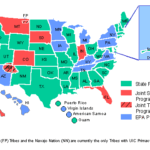
The New York State Water Resources Institute supports research on watershed management and water quality across the state. As Marcellus development loomed, baseline studies and hydrological monitoring gained urgency. Without baseline data, change cannot be measured.

Source: NYS.WRI (2010) Read More

Atlas Energy, Inc.

Atlas Energy emerged as a key player in Marcellus development, negotiating leases and expanding operations during the boom’s early years. Corporate strategies, capital flows, and partnership structures reveal how shale moved from local experiment to financial enterprise.

Source: Atlas Energy Resources (2010) Read More

Desalination of Oil Field Brine

Oil and gas production consumes staggering amounts of water — more than 5 million gallons per day in fracturing operations alone. What comes back up is brine: saline wastewater laced with drilling byproducts. Engineers have explored desalination as a solution, but the chemistry is stubborn and costly. As shale wastewater volumes surged, the question became practical: can treatment technology keep pace with what the wells produce?

Source: The Future of Desalination in Texas (2006) Read More

Coalbed Methane Development: The Costs and Benefits of an Emerging Energy Resource

Coalbed methane extraction promised domestic energy gains, but critics tracked groundwater drawdown, surface disturbance, and wastewater disposal challenges. The cost-benefit debate was not theoretical — it played out in ranchlands and aquifers. As unconventional gas expanded, lessons from coalbed methane became a cautionary template.

Source: Natural Resources Journal (2003) Read More

Marcellus Shale Development : Toxic Tort Litigation Blog

As drilling expanded across Pennsylvania and neighboring states, toxic tort claims followed — lawsuits alleging groundwater contamination, methane migration, and chemical exposure. Plaintiffs sought damages for health impacts and property loss. Defendants contested causation and baseline conditions. In these cases, geology met civil procedure, and the burden of proof carried enormous weight.

Source: Toxic Tort Litigation Blog (2010) Read More

Clean Water Restoration Act of 2009 (S 787)

The Clean Water Restoration Act aimed to clarify and restore federal authority over streams and wetlands narrowed by Supreme Court rulings. Supporters argued it would close regulatory gaps affecting small waterways. Opponents warned of expanded federal reach. In drilling regions, the bill’s language carried implications for wastewater oversight and watershed protection.

Source: cleanwateraction.org (2010) Read More

Incite: An independent advocate for the environment. | Gas Pains

Incite offered commentary and analysis independent of party lines, scrutinizing environmental decisions tied to energy development. As drilling debates hardened into ideological camps, independent voices aimed to unpack data, challenge assumptions, and keep public focus on long-term ecological stakes.

Source: Audobon Magazine (2010) Read More

WATER | Clean Water Action

Clean Water Action mobilized members across states where shale development surged, pressing for tighter wastewater standards and federal oversight. With decades of experience battling industrial pollution, the organization turned its attention to hydraulic fracturing and disposal practices. As court rulings narrowed Clean Water Act protections, advocates argued that enforcement gaps could widen just as drilling intensified.

Source: Clean Water Action (2010) Read More

Splashdown!

“Splashdown!” chronicled moments when drilling runoff, wastewater disputes, or regulatory failures collided visibly with water systems. Whether metaphorical or literal, the title captured the fear that contamination travels downhill. In boom regions, disposal sites and treatment facilities multiplied. The concern wasn’t theoretical chemistry — it was whether what went into holding ponds might eventually reach rivers.

Source: Splashdown! (2010) Read More

Sierra Club Finger Lakes Group Gas Information Page

The Sierra Club’s Finger Lakes chapter compiled local data on gas development proposals in central New York. From watershed maps to permit summaries, the page equipped residents with tools to engage regulators. As the Marcellus debate intensified statewide, the group aimed to ground the conversation in regional facts and familiar landscapes.

Source: Sierra Club (2009) Read More

Gas wells’ leftovers may wash into Ohio | Columbus Dispatch Politics

Waste from gas wells — brine, drilling muds, chemical residues — risked washing into Ohio waterways, raising alarms about downstream impacts. As disposal sites filled and storms rolled through, environmental groups pressed for stronger oversight. State officials weighed the evidence. The leftovers of the shale boom weren’t just industrial details; they traveled with gravity and rain.

Source: Columbus Dispatch Politics (2010) Read More

Buried Secrets: Is Natural Gas Drilling Endangering U.S. Water Supplies?

Investigative reporter Abrahm Lustgarten examined whether hydraulic fracturing posed risks to underground water supplies long assumed safe. Internal documents, field reports, and federal hesitations suggested a murkier picture than public assurances implied. At stake: aquifers serving millions. The promise of cleaner-burning fuel collided with a quieter question — what happens if the contamination is slow, invisible, and hard to prove?

Source: ProPublica (2008) Read More

WATER: Gas drilling in huge Appalachia reserve yields foul, briny byproduct – AP

A vast Appalachian watershed — a reserve supplying drinking water across multiple states — faced encroaching gas development. Conservationists warned that drilling in or near protected lands could ripple far beyond lease boundaries. Industry backers emphasized economic revival in struggling regions. The scale was enormous: aquifers, forests, pipelines threading through one of the East’s largest intact landscapes.

Source: cleveland.com (2010) Read More

WATER: Rulings Restrict Clean Water Act, Foiling E.P.A.

Court rulings narrowed the reach of the Clean Water Act, limiting federal oversight of certain streams and wetlands. Environmental advocates warned that smaller waterways — often feeding larger rivers — could slip beyond regulation. For drilling operations and wastewater disposal sites, the implications were immediate. A legal technicality in Washington could determine what protections applied at the edge of a rural creek.

Source: The New York Times (2010) Read More

Underground Injection of Gas Industry Brine Taking Off – State Journal – STATEJOURNAL.com

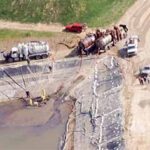
As millions of gallons of fracking “flowback” return to the surface in West Virginia, operators have increasingly shipped the heavy brine to Ohio for underground injection. According to state officials, disposal options remain limited, with only two permitted Class II wells handling waste locally. The logistical strain underscores a growing dilemma: while drilling accelerates across the Marcellus Shale, wastewater disposal infrastructure lags behind, raising questions about long-term environmental safeguards.

Source: The State Journal (2010) Read More

Dark Side of a Natural Gas Boom

As drilling surged across Pennsylvania, economic optimism collided with mounting reports of spills, wastewater mismanagement, and regulatory strain. What was marketed as a clean-energy bridge began to reveal industrial consequences, leaving communities to reckon with the environmental costs of rapid extraction.

Source: The New York Times (2009) Read More

Politicians choose sides in Marcellus Shale drilling debate

As drilling expanded across the Marcellus region, elected officials split along economic and environmental lines. Promises of jobs and tax revenue competed with warnings about water contamination and landscape fragmentation. The shale boom reshaped not only terrain, but political alliances.

Source: Press & Sun-Bulletin: pressconnects.com (2009) Read More

Hazards posed by natural gas drilling are not limited to below ground

In a June 20, 2010 investigation for the Republican Herald, journalist Laura Legere reported that many of the most serious hazards from Marcellus Shale drilling occur above ground, including chemical storage, wastewater transport, and surface spills. Department of Environmental Protection records obtained through Pennsylvania’s Right-to-Know Law revealed hundreds of violations involving at least 92 drilling companies, prompting DEP Secretary John Hanger to attribute repeated spills and methane leaks—particularly involving Cabot Oil & Gas—to poor management and inadequate oversight.

Source: Republican Herald (2010) Read More

Environmental Advocates New York

The New York Water Rangers, launched by Environmental Advocates of New York, mobilized residents to defend state waters from hazardous fracking waste. Through legislative advocacy, coalition organizing, and narrative strategy developed with SmartMeme Studios, the campaign pushed to close loopholes in state law, extend moratorium protections, and require independent health impact assessments before permitting high-volume hydraulic fracturing in New York.

Source: Environmental Advocates New York (2011) Read More

Gas Drillers Plead Guilty to Felony Dumping Violations

Two operators associated with Swamp Angel Energy pleaded guilty to felony violations of the Safe Drinking Water Act after unlawfully injecting 200,000 gallons of brine into an abandoned well near the Allegheny National Forest. The case marked a rare instance of criminal enforcement in the fracking boom, underscoring concerns that routine fines often failed to deter serious contamination risks linked to oil and gas wastewater disposal.

Source: ProPublica (2010) Read More

World of Shale

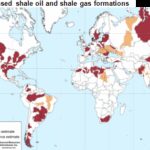
FracTracker Alliance is a Pennsylvania-based nonprofit that maps, analyzes, and communicates data on oil, gas, and petrochemical development. Founded in 2010, the organization provides state-by-state drilling maps, pipeline tracking tools, and thematic analyses to advance public understanding of hydraulic fracturing and its impacts. FracTracker connects environmental data with policy, public health, and climate concerns, offering interactive maps and research resources that situate shale development within both national and international contexts.

Source: Fractracker Alliance (2010) Read More

West Virginia Blue: Dunkard Creek fish kill

The 2009 Dunkard Creek fish kill devastated a 38-mile ecosystem in West Virginia, wiping out more than 160 species of fish, mussels, salamanders and aquatic life. Investigators pointed to oil and gas drilling wastewater as the most likely cause, amid concerns about inadequate treatment capacity in the Marcellus Shale region. The disaster sparked outrage among local observers and raised urgent questions about wastewater management, regulatory oversight, and the environmental costs of rapid shale gas development.

Source: West Virginia Blue (2009) Read More
Greers Ferry Lake Natural Gas Watch

Max Brantley highlights concerns raised by the Greers Ferry Lake Natural Gas Watch about the risks fracking poses to local water resources, including Greers Ferry Lake and the Lake Maumelle watershed. The post critiques political responses to pipeline spills and questions the transparency of Arkansas’s Rule B19, which purported to require full disclosure of fracking chemicals. Critics argue the rule amounts to a “magic trick,” allowing industry to appear accountable without meaningful disclosure.

Source: Facebook | Greers Ferry Lake Natural Gas Watch (2010) Read More

The Case of Chevron

According to the EPA’s National Emission Inventory, Chevron was responsible for 4,030,422.95 pounds of green house gas emission pollution in Plaquemines Parish, Louisiana in 2002.

Source: Friends of the Earth (2008) Read More
Under the surface: fracking, fortunes and the fate of the Marcellus Shale
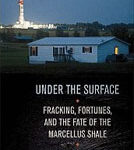
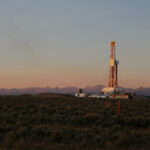
Hydrofracking’s proposed a massive industrial transformation on a huge swath of rural Northeastern U.S. It has divided communities and sparked an intense public debate about science, economics, law making and enforcement. Under the Surface tells the story of the Marcellus Gas Rush and is written by Tom Wilber, a newspaper reporter who covered the environmental beat for Binghamton, N.Y.’s Press & Sun Bulletin. Recommended!

Source: Cornell University Press (2012) Read More