Search Results for: energy policy

114 results found

Keywords Filter Sort

Energy Policy Act of 2005-Critique
Critics revisited the Energy Policy Act of 2005, focusing on provisions that limited federal oversight of hydraulic fracturing. The “Halliburton loophole” became shorthand for regulatory exemption. What passed quietly in statute books years earlier now sat at the center of public debate.

Source: Wikipedia, the free encyclopedia (2010) Read More


Energy Policy Act of 2005

The Energy Policy Act of 2005 reshaped U.S. energy law — offering incentives for domestic production while limiting certain federal oversight of hydraulic fracturing. The statute helped clear regulatory pathways for shale expansion. Years later, critics would point back to this legislation as a turning point in how the boom unfolded.

Source: U.S. Environmental Protection Agency (EPA) (2005) Read More

U.S. Energy Information Administration. EIA Energy Kids – Natural Gas

Another institutional baseline from EIA, focused on definitions, data series, and the measurable backbone of the energy system. It’s the opposite of a press release: less persuasion, more structure. The hook is how quietly powerful standardized data can be — the charts that underpin policy arguments, investment claims, and forecasts. When someone says “energy independence,” EIA is where you check what that phrase actually means.

Source: Energy Information Administration (2010) Read More

U.S. Department of Energy (DOE), Office of Fossil Energy and National Energy Technology Laboratory: Modern Shale Gas Development in the United States: A Primer.

The DOE’s Office of Fossil Energy promotes research and development aimed at enhancing domestic energy production and technological efficiency. During the shale boom, federal research initiatives supported improved extraction techniques even as environmental and regulatory questions intensified.

Source: U.S. Department of Energy (2009) Read More

Barnett Shale Energy Education Council (BSEEC)

The Barnett Shale Energy Education Council positioned itself as a source of public information about drilling in North Texas, promoting economic benefits and regulatory compliance. Critics viewed the council as industry-aligned messaging during a period of mounting air quality and health concerns. In boom regions, education and advocacy often blur.

Source: Barnett Shale Energy Education Council (2010) Read More

Coalbed Methane Development: The Costs and Benefits of an Emerging Energy Resource

Coalbed methane extraction promised domestic energy gains, but critics tracked groundwater drawdown, surface disturbance, and wastewater disposal challenges. The cost-benefit debate was not theoretical — it played out in ranchlands and aquifers. As unconventional gas expanded, lessons from coalbed methane became a cautionary template.

Source: Natural Resources Journal (2003) Read More

NETL: Secure & Reliable Energy Supplies

The National Energy Technology Laboratory promoted research aimed at securing domestic energy supplies through technological innovation. Supporters framed shale as strategic independence. Skeptics questioned whether security metrics accounted for environmental and climate costs. The framing of “reliability” carried more than engineering meaning.

Source: U.S. National Energy Policy Key Issues & Mandates (2010) Read More

U.S. Department of Energy – Homepage

The Department of Energy promotes research, innovation, and domestic production across the energy spectrum. As shale gas surged, DOE messaging emphasized technological advancement and energy security. Critics questioned whether federal enthusiasm adequately balanced environmental risk.

Source: U.S. Department of Energy (2009) Read More

Unconventional Gas Shales: Development, Technology, and Policy Issues

Congressional Research Service reports detailed the mechanics of unconventional shale development — horizontal drilling, hydraulic fracturing fluids, production decline curves. The technical primer underscored a reality: the shale revolution was engineered as much as it was discovered.

Source: U.S. Congress (2009) Read More

Marcellus-Shale.us: Our look at the Halliburton Loophole – 2005 Energy Act

The so-called “Halliburton loophole” — language in the Energy Policy Act of 2005 that exempted most hydraulic fracturing from the Safe Drinking Water Act — became a flashpoint. Critics argued the exemption removed federal oversight from underground injection practices. Supporters maintained states could regulate effectively. The loophole wasn’t just statutory text; it defined the regulatory boundary of a boom.

Source: Marcellus-Shale.us (2010) Read More

Drill here, drill now, pay less : a handbook for slashing gas prices and solving our energy crisis

Echoing the slogan popularized by political figures like Newt Gingrich, “Drill Here, Drill Now, Pay Less” framed expanded domestic drilling as a direct path to lower energy prices. The handbook distilled an argument that resonated nationally during high gas-price cycles. Critics countered that global oil markets and production timelines rarely bend to slogans.

Source: Regnery Pub. (2008) Read More

Chevron Human Energy Stories | Addressing Climate Change

Jonathan McIntoshs’ Remix Video is a critical and transformative work that constitutes a Fair Use in accordance with Title 17 U.S.C. Section 107. Source footage from Chevron TV ads, US Army ad, BBC News, Future Weapons, CSI and several other short clips recorded off television.

Source: YouTube (2009) Read More

Cornell 2011 Energy Conference

The Cornell University Law School – 2011 Energy Conference (March 31-April 2, 2011) explored, among other topics, the legal issues associated with natural gas drilling and energy policy, different scientific perspectives on how clean and sustainable natural gas is, alternative clean energy sources, and the potential risks and benefits of shale gas development in Upstate New York.

Source: YouTube (2011) Read More

Halliburton

Halliburton, long associated with hydraulic fracturing technology, became synonymous with the so-called “Halliburton loophole” in the Energy Policy Act of 2005, which exempted most fracking from federal Safe Drinking Water Act oversight. As a global oilfield services leader, the company’s influence extends from well design to policy debate.

Source: Solutions for Today's Energy Challenges - Halliburton (2010) Read More

American Petroleum Institute

Critics and investigative reports have accused the American Petroleum Institute (API) of advancing climate change denial and working to block climate legislation in defense of its constituent interests. The organization serves as the principal trade association for the U.S. oil and gas industry, shaping regulatory advocacy and public messaging on behalf of member companies. API has defended hydraulic fracturing as safe when properly regulated and has opposed expanded federal oversight that could alter the industry’s operating framework, placing the trade group at the center of national energy policy battles.

Source: API (2010) Read More

Marcellus Shale Coalition

The Marcellus Shale Coalition emerged as the industry’s collective voice in Pennsylvania, promoting well-paying jobs, economic growth, regulatory consistency, and expanded development. Representing major operators and service firms, the coalition shaped public messaging and policy advocacy as drilling accelerated across the region. Critics argue that independent analyses have challenged some of the coalition’s economic claims and questioned whether projected benefits outweigh environmental and climate risks — debates that continue to shape responsible energy policy.

Source: Marcellus Shale Coalition (2010) Read More

Raul Grijalva’s MySpace Blog

Congressman Raúl Grijalva used early social media platforms to challenge energy policy and call for stronger environmental oversight. In the late-2000s digital landscape, blogs and MySpace posts became tools for shaping public narrative — lawmakers speaking directly to constituents about drilling, climate, and regulatory reform.

Source: Raul Grijalva's MySpace Blog (2006) Read More

Graham Pulls Support for Major Senate Climate Bill

Senator Lindsey Graham withdrew support from a major Senate climate bill, fracturing a fragile bipartisan coalition. The setback stalled momentum for comprehensive climate legislation. Energy policy once again splintered along party lines, leaving regulatory authority to agencies and states.

Source: The New York Times (2010) Read More

Ecocide in the USSR : health and nature under siege

The term “ecocide” evokes systemic environmental destruction — landscapes degraded not by accident but by policy and industrial priority. Examining ecological collapse in the former USSR provides a historical mirror: when environmental safeguards erode, damage accumulates quietly until it becomes generational. Energy policy is never purely economic.

Source: BasicBooks (1993) Read More

Colorado GOP to EPA: Keep your noses out of our fracking fluid

In July 2010, eighteen Republican members of the Colorado State Legislature sent a formal letter to the U.S. Environmental Protection Agency demanding that the agency refrain from regulating hydraulic fracturing, regardless of what its two-year study might conclude. The dispute, reported by The Colorado Independent, revived debate over the “Halliburton loophole” advanced during Vice President Dick Cheney’s 2005 Energy Policy Act, as state lawmakers argued against federal oversight of fracking fluids and disclosure requirements while environmental advocates pressed for stricter Clean Air Act and Safe Drinking Water Act enforcement.

Source: The Colorado Independent (2010) Read More

Futurism Now

Futurism Now, a Minnesota-based blog by Shelly Thomas, examines energy policy, climate change, and environmental justice through news aggregation, commentary, and multimedia resources. Active since 2008, the site covers international energy issues, including tar sands development, climate science denial, and corporate political influence. It highlights environmental impacts such as water contamination, carbon emissions, and industrial extraction, while linking activism, investigative journalism, and grassroots advocacy.

Source: Futurism Now (2011) Read More

Complex Simply Painted 📺

In July I move through flowers, storms, friends, recordings, murals, machines and a tree’s last dance, while the public record turns toward Texas floods, weather forecasting, EPA science and the Endangerment Finding. Slowing the film does not make the world simpler. It lets me see more of its complexity.

Source: Mixplex (2026) Read More

Perseverance 📺

July begins with things changing form: fireworks become rain, a great tree disappears from Washington Park, and small lives continue around what remains. As smoke crosses borders and heat travels beyond where it begins, the walk becomes a way of paying attention—and attention itself becomes a demand for a vibrant, healthful world.

Source: Mixplex (2026) Read More

Stripping the West

A portrait of extraction culture with wide-angle scope — land, minerals, money, and the conflicts that follow. The West is often sold as open space; this kind of work shows it as contested space. Leases, roads, rigs, and rights-of-way transform landscapes that once looked permanent. The hook is scale: not one well, but a pattern — and the social tension that arrives when an economy is built on removal.

Source: NOW with Bill Moyers (2002) Read More

Bushwhacked : Life in George W. Bush’s America

Molly Ivins and Lou Dubose take a brisk, sharp tour through the George W. Bush years — from the campaign machine to the policy aftermath. The book treats politics less like abstract ideology and more like a lived system: money, messaging, crony networks, and consequences that land on ordinary people. It reads like a field guide to power — funny, furious, and specific — with names attached and receipts implied.

Source: Random House (2003) Read More

Shale gas in the United States – Wikipedia, the free encyclopedia

A high-level snapshot of how shale gas moved from experimental technique to dominant source of U.S. natural gas production. It traces the arc: horizontal drilling, hydraulic fracturing, major basins (Barnett, Marcellus, Haynesville), and the policy fights that followed. Useful as a fast orientation tool — a place to collect names, dates, and terms — before you dive into the messier record of spills, exemptions, and enforcement.

Source: Wikipedia (2010) Read More

Oil & Gas Accountability Project (OGAP)

OGAP tracks drilling impacts with a watchdog’s eye: complaints, enforcement gaps, industry claims, and the fine print of regulation. The hook is accountability — who reports what, who inspects, who pays, who fixes. In boom country, the technical work happens fast and the paperwork trails behind. OGAP exists to pull that trail forward into view, turning scattered incidents into patterns that regulators and communities can’t easily ignore.

Source: Earthworks (2009) Read More

Exxon Mobil Corporation

ExxonMobil, one of the world’s largest publicly traded energy companies, expanded its unconventional portfolio through major acquisitions and strategic positioning in shale basins. With global capital and political influence, Exxon’s moves reverberate beyond individual wells. When Exxon commits, markets, lawmakers, and competitors take notice.

Source: Exxon Mobil Corporation (2010) Read More

Federation of American Scientists (FAS) – SourceWatch

The Federation of American Scientists envisions a world where cutting-edge science, technology, and expertise are embedded in government and public discourse to meet the largest challenges of our time. In the shale debate, FAS compiled technical analyses of energy systems, environmental risks, and policy frameworks. Where campaign rhetoric often dominated headlines, its documentation grounded arguments in research — a reminder that extraction is both industrial process and national strategy.

Source: SourceWatch (2010) Read More

EPA Findings on Hydraulic Fracturing Deemed “Unsupportable”

EPA findings regarding hydraulic fracturing faced criticism from both industry and environmental advocates, who argued that certain conclusions were incomplete or methodologically flawed. The science itself became contested terrain. When federal findings are labeled “unsound,” confidence in oversight can erode quickly.

Source: Union of Concerned Scientists (2006) Read More

U.S. Speaker Nancy Pelosi | Current Legislation

Tracking current legislation revealed how energy bills advanced, stalled, or fractured along partisan lines. Proposals ranged from renewable incentives to drilling reforms. The legislative docket became a scoreboard for competing visions of America’s energy future.

Source: Speaker Nancy Pelosi | Current Legislation (2010) Read More

U.S. General Accounting Office (GAO) – Oil And Gas Development: Increased Permitting Activity Has Lessened the Bureau of Land Management’s (BLM) Ability to Meet Its Environmental Protection Responsibilities

The GAO examined how oil and gas leasing and oversight were administered on public lands — auditing whether agencies collected fair royalties and enforced regulations effectively. When billions in public resources are at stake, oversight becomes more than paperwork. It becomes accountability for taxpayers.

Source: U.S. GAO (2005) Read More

U.S. Congress. (2009). A bill to amend the Safe Drinking Water Act to repeal a certain exemption for hydraulic fracturing, and for other purposes

Legislation introduced in Congress sought to amend the Safe Drinking Water Act to remove exemptions shielding hydraulic fracturing from federal oversight. Supporters argued the change would restore transparency and accountability. Industry groups warned of duplication and delay. The bill spotlighted the “Halliburton loophole” in statutory form.

Source: Library of Congress (2009) Read More

U.S. EPA Initiates Hydraulic Fracturing Study | Meeting | EPA Science Advisory Board (SAB)

Under mounting pressure, the EPA launched a comprehensive study of hydraulic fracturing’s potential impacts on drinking water resources. The move signaled federal recognition that questions about contamination required systematic review. Communities awaiting answers looked to the agency for clarity — and for evidence that could withstand political crosswinds.

Source: U.S. Environmental Protection Agency (EPA) (2010) Read More

U.S. Environmental Protection Agency (EPA): Hydraulic Fracturing Study (2010-2012)

The Environmental Protection Agency compiled research, guidance, and regulatory interpretations on hydraulic fracturing as public scrutiny intensified. From underground injection rules to drinking water protections, the agency’s evolving position signaled how far federal oversight would reach — and where exemptions still stood.

Source: U.S. Environmental Protection Agency (EPA) (2010) Read More

Buried Secrets: Is Natural Gas Drilling Endangering U.S. Water Supplies?

Investigative reporter Abrahm Lustgarten examined whether hydraulic fracturing posed risks to underground water supplies long assumed safe. Internal documents, field reports, and federal hesitations suggested a murkier picture than public assurances implied. At stake: aquifers serving millions. The promise of cleaner-burning fuel collided with a quieter question — what happens if the contamination is slow, invisible, and hard to prove?

Source: ProPublica (2008) Read More

Meanwhile, Back at the Ranch

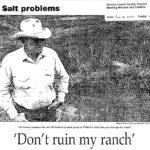
Writing in The Nation, Eyal Press traced the evolution of federal natural gas policy from the Clinton administration’s balanced expansion to the Bush administration’s push to remove drilling restrictions on public lands. The article framed shale development not simply as an energy story but as a political shift in regulatory philosophy—one with implications for environmental protection, public land stewardship, and the accelerating push toward fossil fuel extraction.

Source: The Nation (2004) Read More

Industry campaign targets ‘hydraulic fracturing’ bill

As House Democrats explored new oversight of hydraulic fracturing, an industry coalition called Energy in Depth launched a campaign warning that regulation would kill jobs and harm the economy. Reported in the New York Times by Anne C. Mulkern, the effort illustrated how shale politics had become a high-stakes battle over narrative—economic growth versus environmental protection—at a moment when domestic gas production was rapidly expanding.

Source: The New York Times: Greenwire (2009) Read More

Halliburton’s Interests Assisted by White House – Los Angeles Times

In 2005, Congress amended the Safe Drinking Water Act, carving out a controversial exemption for hydraulic fracturing. The move—later dubbed the “Halliburton loophole”—removed federal oversight of underground injection practices central to the shale boom. Supporters framed it as regulatory clarity for domestic energy development; critics saw it as a quiet rollback of environmental protection with national consequences.

Source: Los Angeles Times (2004) Read More

Hubbert Clip

1976 video clip of M King Hubbert speaking about world oil depletion and explaining the concept of peak oil.

Source: YouTube (2007) Read More

Fueling Washington

OpenSecrets.org Launches ‘Fueling Washington’ Series Exploring Oil and Gas Industry’s Political Influence

Source: OpenSecrets.org (2010) Read More

The Case for a Truth and Reconciliation Commission on Toxic Hazards

In the 1970s, Congress passed a host of environmental laws that sought to adopt a preventive approach to reducing disease and protecting health and environment. Since then, average body burdens of some persistent toxic materials such as lead and cadmium have fallen, but those of other newer materials, like persistent flame retardants, have risen.

Source: Physicians for Social Responsibility (PSR) (2010) Read More

Molly Ivins: Keeping Our Eyes on the Ball

Journalist Molly Ivins combined sharp political critique with Texas humor in her 2006 column urging voters to stay engaged during a turbulent election season. She condemned partisan attacks, voter suppression, and what she saw as ethical and policy failures of the Bush administration. Reminding readers that democracy depends on participation, Ivins called for vigilance, fairness, and civic courage—insisting that politics belongs to the people, not merely those in power.

Source: truthdig.com (2006) Read More

Whistleblower.org

The Government Accountability Project’s mission is to promote corporate and government accountability by protecting whistleblowers, advancing occupational free speech, and empowering citizen activists…

Source: Government Accountability Project (2011) Read More

Whistle Blower’s Corner

Every thing secret degenerates, even the administration of justice; nothing is safe that does not show how it can bear discussion and publicity.’

Source: Basel Action Network (BAN) (2010) Read More

Newsweek Greenwashes the Oil Lobby for Real

At the same time as they talk big about going green, the oil barons have waged highly organized disinformation campaigns going back decades to prevent legislative efforts to combat climate change.

Source: FAIR (Fairness and Accuracy in Reporting) (2010) Read More

Expert Testimony on Hydraulic Fracturing Impacts

I am writing on behalf of the Oil and Gas Accountability Project to provide an impartial analysis of the adequacy of the actions proposed in the subject report. I am a practicing hydrogeologist; I spent 32 years at the U.S. Geological Survey in both management and research positions. I left the USGS in 1995 to become a consultant. I have published more than 100 papers in the refereed scientific literature on various groundwater problems. My

Source: Earthworks (2003) Read More

Spill Response 📺

April 2025 does not resolve. It thickens. Protest, spring rain, flowers, insects, public records, climate policy and a truck marked SPILL RESPONSE occupy the same days. Looking back, I ask what it means to pay attention while the machinery of government is being rapidly remade.

Source: Mixplex (2026) Read More

Magic for Water 📺

I walk alone, looking at water, light and whatever enters the frame, while the larger world arrives through war, politics, climate and memory. The work begins in solitude but is meant for others: an offering, perhaps knowingly inadequate, made in the hope that looking closely can still help us live together.

Source: Mixplex (2026) Read More

Control Your Concrete 📺

“Control Your Concrete” is an experimental August 2026 film and essay made from walks through Ithaca. Following Thoreau’s idea that “the most alive is the wildest,” the film notices the living world pushing into the systems we build and asks how much of it can really be controlled. The page also compares federal government statements with journalism about climate and environmental change, showing how the language of control and management plays out beyond the local walk—in forests, rivers, energy systems and public policy.

Source: Mixplex (2026) Read More

Playground of Coincidence 📺

August becomes a playground of coincidence: random music, cicadas, a Model T, a changing mural, a fish on the path, grief, and a lake turning briefly into stars. The camera lets things exist beside one another before deciding what they mean—while beyond the walk, the government and scientists argue over what constitutes harm.

Source: Mixplex (2026) Read More

These Two Circles 📺

Walking through Ithaca, I watch streets torn open and repaired, trees pruned, workers tending the ordinary machinery of a city. This is not a war zone. Neither are other American cities made into battlefields because the government describes them as dangerous or proposes using them as military “training grounds.” September asks what happens when the language of climate, dissent, and public life is changed to obscure what is plainly before us. Reality does not yield to the words used against it.

Source: Mixplex (2026) Read More

‘Tis of Thee 📺

October is made from texture, wind, insects, water, shadow, protest, and sound. The walk stays close to the ground, then opens suddenly into public language: an Earth flag, no kings, no crowns for clowns, a national anthem played through drum roll and pennywhistle. My spirits infallibly rise in proportion to the outward dreariness. Give me the ocean, the desert, or the wilderness!

Source: Mixplex (2026) Read More

Brass Light 📺

December gathers snow, moon, gas globe, holidays, animals, and lights into one field of attention. What is civic and what is domestic begin to trade places. The gas globe becomes snowmen. Steam becomes the moon. A patch panel becomes birds by the lake. Holiday lights, brass light, snow light, and household light all begin speaking to one another.

Source: Mixplex (2026) Read More

Gasfract 📺

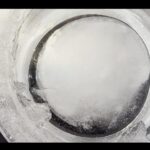
A gloved hand traces the curve of an icy orb, snow and ice held in suspension. It reminds me of a control bar for the frozen land. What looks frozen is not motionless. January holds movement inside the pause.

Source: Mixplex (2026) Read More

Drum Beat 📺

I combine naturalism, history, diary, always in motion.

March may be my key piece. It is the longest video, and it feels iconic to me — the right time and place. This month seems to contain the full grammar: weather, politics, friends, music, gallery light, water, mud, protest, spring, death, food, thunder, and the body walking through it all.

Source: Mixplex (2026) Read More

What brings you joy 📺

What brings me joy is gathered in signs and wonders.

The slower video lets me study the vines on a wooden fence transforming into a flower head. Flies alight like fireflies by the stream. The flowers of summer open around me, and even the red painted fire hydrant appears to belong in a garden.

Source: Mixplex (2026) Read More

No Boundaries 📺

In recent months, I’ve been spending more time walking through Ithaca. Most days, I leave from North Plain Street, cross Buffalo Street, past the Children’s Garden, and follow the inlet trail toward Treman Marina and Cayuga Lake before circling back home.

Source: Mixplex (2026) Read More

Longtime landowner advocate reflects on decades of activism

A landowner advocate looks back over years of leasing battles, negotiations, and the slow lessons of contract language. The drama isn’t abstract — it’s clauses, deductions, surface rights, and the moment someone realizes what they signed. Retrospective voices like this become a record of learning under pressure: what worked, what backfired, and how communities adapted as the boom rolled in faster than most legal advice could travel.

Source: Wyofile (2020) Read More

Pit Pollution

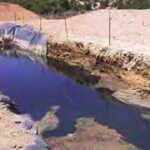
Reports of pollution from open waste pits highlighted risks associated with storing drilling byproducts on-site. Wildlife mortality, groundwater concerns, and surface runoff raised questions about containment practices. Waste management remains one of the less visible — yet consequential — aspects of shale development.

Source: Earthworks (2004) Read More

Marcellus Shale – Subject Guides at Binghamton University Libraries

A curated academic gateway: reports, agencies, research centers, and key organizations tied to Marcellus development. Instead of one narrative, it offers a controlled door into many — science, policy, public health, law, economics. The hook is the curation itself: a university quietly assembling the documents that everyone argues about. When the public conversation gets heated, a subject guide can function like a calm shelf of evidence.

Source: Marcellus Shale Gas Drilling Research Guide (2010) Read More

Marcellus Shale Gas: New Research Results Surprise Geologists!

New research results land like a jolt: updated estimates, revised risk, new measurements, better models. In the shale era, “new findings” often shift the argument overnight — especially when they touch methane leakage, groundwater pathways, or production forecasts. This entry is about the churn of evidence: studies that surprise, methods that get challenged, and the constant pressure to translate uncertain science into permits, policy, and public reassurance.

Source: Geology.com (2010) Read More

Exxon-Xto Deal Forces Congress to Reconsider Natural Gas

Rex Tillerson — a former tuba player in the University of Texas Longhorn Band who once supplied the band’s bottom register — would later rise to become ExxonMobil’s CEO. In global energy markets, he built a reputation as a disciplined negotiator, forging high-level relationships including with Russian President Vladimir Putin and the Kremlin. When Exxon moved to acquire XTO Energy, doubling down on U.S. shale, the scale of the bet drew renewed congressional attention to natural gas policy and market concentration. When a supermajor commits billions, energy independence narratives and oversight frameworks shift with it. Scale reshapes politics.

Source: The New York Times : Climatewire (2010) Read More

Exxon Confronts Nuns, Calpers Over Global Warming Plans, Boskin

Exxon confronted shareholder resolutions from Catholic nuns and the California Public Employees’ Retirement System (CalPERS) over climate disclosure and long-term strategy. The religious orders argued that the company’s global warming plans failed to account for environmental and moral risk, while CalPERS — one of the nation’s largest public pension funds — framed climate exposure as a material financial concern. The pressure signaled a shift: climate risk had moved from protest lines into boardrooms and proxy votes.

Source: Bloomberg.com (2007) Read More

Superior Well Services – Products – Fracturing Systems

Superior Well Services supplied fracturing equipment and services that enable high-pressure injection into shale formations. The technical apparatus — pumps, sand, chemical blends — forms the industrial core of hydraulic fracturing. Behind every well is a logistics network measured in trucks and tons.

Source: Superior Well Services - Products - Fracturing Systems (2010) Read More

Shale Gas Shenanigans

“Shale Gas Shenanigans” cataloged disputed claims, regulatory inconsistencies, and industry messaging strategies surrounding hydraulic fracturing. The tone may carry humor, but the substance tracks contested science and policy gaps. Beneath the wordplay lies documentation.

Source: Energy Bulletin (2010) Read More

U.S. Speaker Nancy Pelosi: The Gavel: Draining The Swamp

Then–Speaker Nancy Pelosi highlighted legislative efforts addressing energy reform and environmental protection. Congressional leadership framed drilling oversight and clean energy transitions as matters of national policy. In Washington, energy debates unfolded not only in committees but on the House floor.

Source: The Gavel (2008) Read More

Scalise: Cap-and-Trade Hinders Job Growth

Opposition to cap-and-trade legislation crystallized around economic arguments — warnings of higher energy prices and job losses. As climate policy proposals advanced, energy development and employment figures became central talking points. The debate fused atmospheric science with recession-era anxiety.

Source: Congressman Steve Scalise Representing the 1st of Louisiana (2010) Read More

Senators Want to Bar E.P.A. Greenhouse Gas Limits

A group of senators moved to block the EPA from regulating greenhouse gases, arguing climate rules exceeded the agency’s mandate. The proposal reflected a broader clash over separation of powers: should carbon limits originate in Congress or through agency interpretation of existing law?

Source: The New York Times (2010) Read More

Penn State Law – Natural Gas Exploration Online Resources

Penn State Law launched an online resource tracking legal developments tied to natural gas exploration — statutes, court rulings, and regulatory updates. As shale transformed Pennsylvania’s economy, the legal framework evolved in real time. The site became a clearinghouse for those trying to keep up with precedent and policy.

Source: Penn State Law - The Dickinson School of Law (2010) Read More

National Parks Traveler | Bush Administration Poised to Sell Oil and Gas Leases Around Dinosaur National Monument, Arches and Canyonlands National Parks

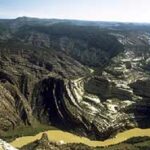
Reporting on policies during the Bush administration, National Parks Traveler examined how energy development proposals intersected with protected federal lands. When drilling interests approached park boundaries, preservationists questioned whether conservation commitments would hold against energy priorities.

Source: National Parks Traveler (2008) Read More

U.S. (EPA): Elimination of Diesel Fuel in Hydraulic Fracturing Fluids Injected into Underground Sources of Drinking Water During Hydraulic Fracturing of Coalbed Methane Wells

The U.S. Environmental Protection Agency moved to eliminate the use of diesel fuel in hydraulic fracturing fluids without proper permitting under the Safe Drinking Water Act. Diesel contains benzene and other hazardous compounds. The policy signaled a tightening stance — a recognition that what goes downhole can travel in ways regulators once downplayed.

Source: U.S. Environmental Protection Agency (EPA) (2003) Read More

Republicans for Environmental Protection (REP America)

Republicans for Environmental Protection challenged the idea that conservation belonged to one party. As shale politics hardened along partisan lines, REP argued for water safeguards and responsible oversight grounded in stewardship, not ideology. Their presence complicated the narrative: support for environmental protection did not neatly map onto party identity — even in energy-producing states.

Source: Republicans for Environmental Protection (2010) Read More

New York Well Watch Forum

The New York Well Watch Forum gathered residents monitoring proposed drilling near the state’s drinking water supply. Members shared test results, regulatory filings, and personal observations — building a citizen archive of vigilance. As Albany debated whether to allow high-volume hydraulic fracturing, the forum functioned as both clearinghouse and early-warning system.

Source: Google Groups: New York Well Watch Forum (2010) Read More

Sustainable Otsego

In upstate New York, Sustainable Otsego organized residents concerned about proposed drilling in the Marcellus Shale. The group hosted forums, tracked leases, and pressed local officials to consider long-term environmental impacts. As rural counties weighed lease bonuses against watershed protection, Sustainable Otsego insisted sustainability required more than short-term revenue.

Source: Sustainable Otsego (2013) Read More

Clean Water Not Dirty Drilling

“Clean Water Not Dirty Drilling” became both slogan and organizing banner for activists opposing hydraulic fracturing near critical water supplies. The framing was simple but pointed: if water is nonnegotiable, drilling must meet a higher standard — or be rejected. Rallies and petitions amplified the message as policy decisions approached.

Source: Clean Water Not Dirty Drilling (2010) Read More

Petition Site: Ban Natural Gas Drilling in New York State

As Albany weighed whether to permit high-volume hydraulic fracturing, online petitions gathered signatures urging a statewide ban. Supporters argued the risks to drinking water and rural character outweighed promised gains. The petition movement signaled something larger: shale policy was no longer confined to regulatory agencies — it had become a public referendum.

Source: Care2 Petition Site (2019) Read More

Marsh Fork Elementary: Journey Up Coal River | A Community and Strip Mining

In West Virginia’s Coal River Valley, Marsh Fork Elementary sat downstream from a massive coal slurry impoundment — millions of gallons of mining waste held behind an earthen dam. Parents worried about what would happen if it failed. Students practiced evacuation drills. The story wasn’t abstract environmental policy; it was children attending school in the shadow of extraction.

Source: Aurora Lights (2015) Read More

Louisiana tells EPA that it should let Congress handle greenhouse gas regulation

Louisiana’s Department of Environmental Quality urged the U.S. Environmental Protection Agency to rescind its finding that greenhouse gases endanger public health, arguing that Congress—not regulators—should set climate policy. Reported by Mark Schleifstein in The Times-Picayune, the dispute reflected broader national resistance to federal climate oversight, even as scientific consensus around emissions and long-term environmental risk continued to solidify.

Source: NOLA.com | Times-Picayune (2009) Read More

Use of potentially harmful chemicals kept secret under law – washingtonpost.com

In the Washington Post, Lyndsey Layton reported that nearly 20 percent of the 84,000 chemicals in commercial use are shielded from public disclosure under a little-known federal provision. The Environmental Protection Agency allows companies to keep identities secret, leaving consumers and regulators in the dark. As hydraulic fracturing expands nationwide, critics warn that this chemical secrecy undermines public trust and limits meaningful oversight of substances injected underground.

Source: Washington Post (2010) Read More
Environmental Groups Support U.S. EPA in Texas Air Permit Case

In August 2010, Environmental Defense Fund and the Environmental Integrity Project moved to intervene in the U.S. Court of Appeals for the Fifth Circuit after Texas Attorney General Greg Abbott sued the U.S. Environmental Protection Agency over its disapproval of Texas’ Flexible Air Permitting program. EDF’s Jim Marston argued that Governor Rick Perry was seeking a “special pollution pass” rather than complying with the Clean Air Act, while federal regulators defended the EPA’s authority to enforce national air standards.

Source: Environment News Service (ENS) (2010) Read More
Gasland’ Filmmaker Takes on Cuomo and ‘Dot.FlatEarth’

Debates between hydrofracking proponents and critics intensified during the Gasland era, with Walter Hang of Toxics Targeting arguing that existing regulatory frameworks could not ensure safe natural gas extraction. Industry experts and academics countered with calls for improved oversight and technological safeguards, while environmental filmmakers and investigative journalists amplified evidence of methane leakage, cement failure, and groundwater contamination.

Source: Dot Earth | New York Times (2012) Read More

Natural Gas: Not as clean as you think

The Wilderness Society released the science and policy brief Doing It Right: Ensuring Responsible Natural Gas Development on Our Public Lands, challenging claims that natural gas is a clean energy solution. Citing data from the U.S. Environmental Protection Agency (EPA) and the Congressional Research Service, the brief notes that natural gas still accounts for roughly 20 percent of U.S. greenhouse gas emissions and that methane released during production and transport is significantly more potent than carbon dioxide. The report also highlights smog increases in drilling regions such as Sublette County, Wyoming, underscoring that expanded gas development on public lands carries measurable climate and public health consequences.

Source: The Wilderness Society (2010) Read More
Birth of EPA

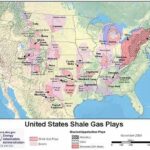
The United States Environmental Protection Agency (EPA), officially established on December 2, 1970 by President Richard Nixon, emerged from a decade of rising environmental awareness sparked in large part by Rachel Carson’s Silent Spring. As pollution crises mounted and public pressure intensified following the passage of the National Environmental Policy Act (NEPA), Nixon created a strong, independent agency to unify federal air, water, pesticide, and radiation programs under Administrator William D. Ruckelshaus.

Source: EPA Journal (1985) Read More
World of Shale

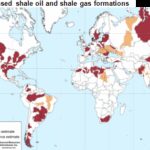
FracTracker Alliance is a Pennsylvania-based nonprofit that maps, analyzes, and communicates data on oil, gas, and petrochemical development. Founded in 2010, the organization provides state-by-state drilling maps, pipeline tracking tools, and thematic analyses to advance public understanding of hydraulic fracturing and its impacts. FracTracker connects environmental data with policy, public health, and climate concerns, offering interactive maps and research resources that situate shale development within both national and international contexts.

Source: Fractracker Alliance (2010) Read More

Global Warming

The Pew Environment Group and affiliated climate initiatives focus on scientific research, public education, and policy advocacy addressing global warming. Drawing on findings from bodies such as the Intergovernmental Panel on Climate Change, Pew emphasizes the risks posed by fossil fuel emissions, Arctic melt, and extreme weather. Its campaigns have promoted clean energy standards, fuel efficiency, and national emissions reductions while supporting policy frameworks that balance economic development with environmental protection.

Source: Pew Charitable Trusts (2009) Read More

Tar Sands – National Wildlife Federation

Big Oil has some big plans to put America’s clean energy future in jeopardy by expanding the production of tar sands oil – one of the most destructive, dirty, and costly fuels in the world.

Source: National Wildlife Federation (2010) Read More

The Deep Hot Biosphere : The Myth of Fossil Fuels

This post explores Thomas Gold’s controversial abiogenic theory of petroleum formation, which argues that hydrocarbons originate deep within the Earth rather than from compressed biological matter. While climate policy debates focus on fossil fuel scarcity and carbon removal, the article raises concerns about methane emissions from gas flaring and questions assumptions embedded in mainstream energy narratives. Gold’s “deep hot biosphere” hypothesis challenges conventional geology and reframes discussions about resource limits, earthquakes, and even the origins of life.

Source: Springer | Copernicus (1998) Read More

Hydro-Fracking Resource and Action Center

Editor’s Note. 9 Aug 2023. Citizens Campaign Re-organized their website in 2015 I and archive.org does not have a good record of their earlier publications. They continue to be

Source: Citizens Campaign for the Environment (2011) Read More

YES! Magazine | Partners

YES! Magazine reframes the biggest problems of our time in terms of their solutions. Online and in print, we outline a path forward with in-depth analysis, tools for citizen engagement, and stories about real people working for a better world.

Source: YES! Magazine (2010) Read More

What happened to climate change?

One of the most glaring omissions during Obama’s State of the Union address was the acknowledgement of climate change. As the Senate and House return to Capitol Hill both sides are gearing up to attack the existing tool in place to address greenhouse gases – the Clean Air Act…

Source: EnergyVox | Citizen Energy (2011) Read More

FERC: For Citizens: Get Involved

If you think you might be affected by a proposed natural gas or hydroelectric project regulated by the Commission, you have certain rights. These rights range from being able to look at project correspondence to becoming an intervener and being able to appeal any FERC decisions in federal court.

Source: Federal Energy Regulatory Commission (FERC) (2010) Read More
GovTrack.us: Tracking the U.S. Congress

Gov Track was the first website to apply the principles of open data and Web 2.0 to the U.S. Congress. It catalyzed the development of a community of like-minded developers and shaped the data-oriented open government movement that we see today.

Source: GovTrack.us (2004) Read More

Climate Co-benefits and Child Mortality Wedges

Climate change issues bring into greater prominence that all the world’s people are linked together and that we all have a stake in creating a sustainable path for the planet and no such path can allow for 10 million avoidable child deaths each year.

Source: Wellcome Trust Frontiers Meeting (2008) Read More

E.P.A. Proposes New Emission Standards for Power Plants

The Environmental Protection Agency (archived) on Wednesday (2011-03-16) proposed the first national standard (archived) for emissions of mercury and other pollutants from coal (archived) -burning power plants, a rule that could lead to the early closing of a number of older plants and one that is certain to be challenged by the some utilities and Republicans in Congress.

Source: The New York Times (2011) Read More

Legislating Under the Influence

In the last decade alone, big energy has pumped more than $2.9 billion into electing and lobbying federal officials and candidates, according to campaign finance and lobbying disclosure reports.

Source: Common Cause (2010) Read More

Peabody coal company threatens to sue over getting punked

Change.org, the website that allows users to create petitions for social change, received a legal threat from Peabody Energy after Coal Kills Kids (CKK) — a group that partnered with the Yes Men to unveil a faux Peabody charity initiative earlier this week (archived) — continued the hoax with a mock petition.

Source: San Francisco Bay Guardian Online (SFBG) (2011) Read More